
Extending Ethereum security to layer 2
Restaking allows staked Ethereum to secure additional services beyond the base layer. Instead of locking capital to protect only one network, validators pledge their ETH to Actively Validated Services (AVSs). This creates a shared security model where Layer 2 networks can borrow Ethereum’s robust validation infrastructure rather than building their own from scratch.
For Layer 2s, this shift dramatically improves capital efficiency. Previously, L2s needed independent validator sets to settle transactions, requiring significant stake and operational overhead. Restaking lets them tap into Ethereum’s existing security pool. This reduces the cost of launching new chains and allows the same ETH to generate multiple revenue streams through staking and restaking rewards.
The mechanism relies on smart contracts that monitor validator behavior across all secured services. If a validator acts maliciously on any AVS, the protocol can slash their staked ETH. This shared penalty system ensures that the security provided to Layer 2s is as rigorous as the base Ethereum consensus, maintaining trust while expanding the utility of staked capital.
Comparing top restaking layer 2 protocols
Restaking-powered Layer 2 networks share a common foundation: they use EigenLayer to reuse staked Ethereum security for additional services. This approach unlocks capital efficiency by allowing validators to secure multiple protocols simultaneously. However, the execution varies significantly across architectures, from native rollups to modular extensions.
Evaluating these options requires looking beyond TVL. The critical differentiators are the security model (how AVSs are integrated), the yield source (whether returns come from base L2 fees, AVS slasher rewards, or both), and the underlying stack (OP Stack, ZK-SNARKs, or hybrid). Below is a direct comparison of the leading protocols to help identify the best fit for your risk and yield profile.
Swell Chain operates as an OP Stack-based L2 with native EigenLayer integration. It allows users to deposit ETH or LSTs to secure AVSs directly while transacting on the L2. The yield comes from a combination of AVS rewards and standard L2 transaction fees. This model appeals to users seeking a seamless experience that combines restaking yields with active L2 usage.
Taiko takes a different approach as a ZK-based rollup. It integrates EigenLayer to secure its decentralized sequencer and data availability layer. Taiko’s yield is primarily derived from AVS slashing rewards and gas fees, offering a more decentralized security model but with potentially higher complexity for validators. The ZK-proof system ensures strong validity guarantees, making it attractive for privacy-conscious applications.
Symbiotic functions as a restaking hub rather than a traditional L2. It allows users to restake LSTs and LRTs with customizable slashing conditions. This flexibility enables the creation of specialized AVSs, such as decentralized oracles or data markets. The yield is a composite of LST staking rewards and AVS-specific returns, offering high customization but requiring careful risk management.
EigenDA serves as a data availability layer secured by EigenLayer. It does not execute smart contracts but provides cheap, secure data for L2s and other networks. The yield comes from data availability fees paid by L2s. This protocol is ideal for developers who need scalable data availability without the overhead of full L2 execution.
When choosing a protocol, consider your primary goal. If you want to maximize yield through active participation in AVSs, Swell or Symbiotic may be better. If you prioritize decentralization and ZK-security, Taiko is a strong candidate. For developers needing data availability, EigenDA is the specialized tool. Always verify the current TVL and risk parameters before depositing, as the restaking landscape evolves rapidly.
Yield sources and capital efficiency gains
Restaking transforms staked capital from a single-purpose asset into a multi-purpose security layer. When you stake ETH on Ethereum, you earn yield primarily from block rewards and transaction fees. In a traditional setup, that same capital cannot generate additional income. Restaking protocols like EigenLayer allow you to reuse that existing stake to secure Actively Validated Services, creating a second revenue stream without requiring new capital deployment.
The yield composition shifts from a single source to a diversified mix. Your total return now includes the base Ethereum staking reward plus fees paid by AVS operators. These fees vary based on the specific service being secured, such as oracle networks, decentralized storage, or MEV-protective blocks. This structure effectively decouples yield generation from simple network participation, allowing capital to earn based on the utility it provides to multiple protocols simultaneously.
Capital efficiency is the primary driver for this shift. Instead of locking separate funds for each security requirement, restaking consolidates security into a single staking position. This reduces the capital overhead required to support the broader decentralized infrastructure. However, this efficiency comes with increased complexity. The economic security of the underlying asset is now shared across multiple services, meaning a failure in one AVS could theoretically impact the broader staking ecosystem.
Slashing risks and smart contract exposure
Restaking amplifies capital efficiency, but it also concentrates risk. When you restake ETH on EigenLayer, you are not just securing Ethereum; you are lending your validator's economic security to the services it supports. This creates a complex web of dependencies where the failure of one protocol can trigger penalties across the entire restaking ecosystem.
The threat of slashing
Slashing occurs when a validator violates consensus rules or fails to perform its duties. In a standard staking setup, the penalty is limited to the staked ETH. With restaking, however, the same validator keys may be responsible for securing multiple AVSs. If a validator misbehaves in any one of these services, it can be slashed for all of them simultaneously. This "double-slashing" risk means that a single error or exploit can result in significantly larger financial losses than traditional staking.
Smart contract vulnerabilities
Restaking protocols rely on intricate smart contract logic to manage key delegation and reward distribution. These contracts are new and often untested at scale, making them attractive targets for hackers. A vulnerability in the EigenLayer core contracts or in a specific AVS contract could lead to the loss of staked assets. Because restaking involves cross-layer interactions, a bug in one layer can have cascading effects on others, complicating the security audit process.
Mitigating exposure
To manage these risks, validators must carefully select which AVSs to support. Not all services offer the same level of security or transparency. It is essential to review the smart contract audits and the economic incentives of each AVS. Understanding the slashing conditions and the potential impact of a contract failure is crucial before committing restaked capital. As the restaking landscape evolves, ongoing monitoring and risk assessment will be vital for long-term participation.
Choosing a restaking strategy for 2026
Selecting the right restaking Layer 2 protocol requires matching your risk tolerance with your yield goals. Restaking extends Ethereum security to Actively Validated Services, but it introduces new variables like slashing conditions and protocol-specific risks. A clear framework helps you navigate these choices without overexposing your capital.

Start by determining how much volatility you can absorb. Conservative investors may prefer established L2s with lower slashing risks, while aggressive strategies might target newer AVSs with higher potential rewards but greater uncertainty. Understanding your baseline comfort level prevents emotional decisions during market swings.
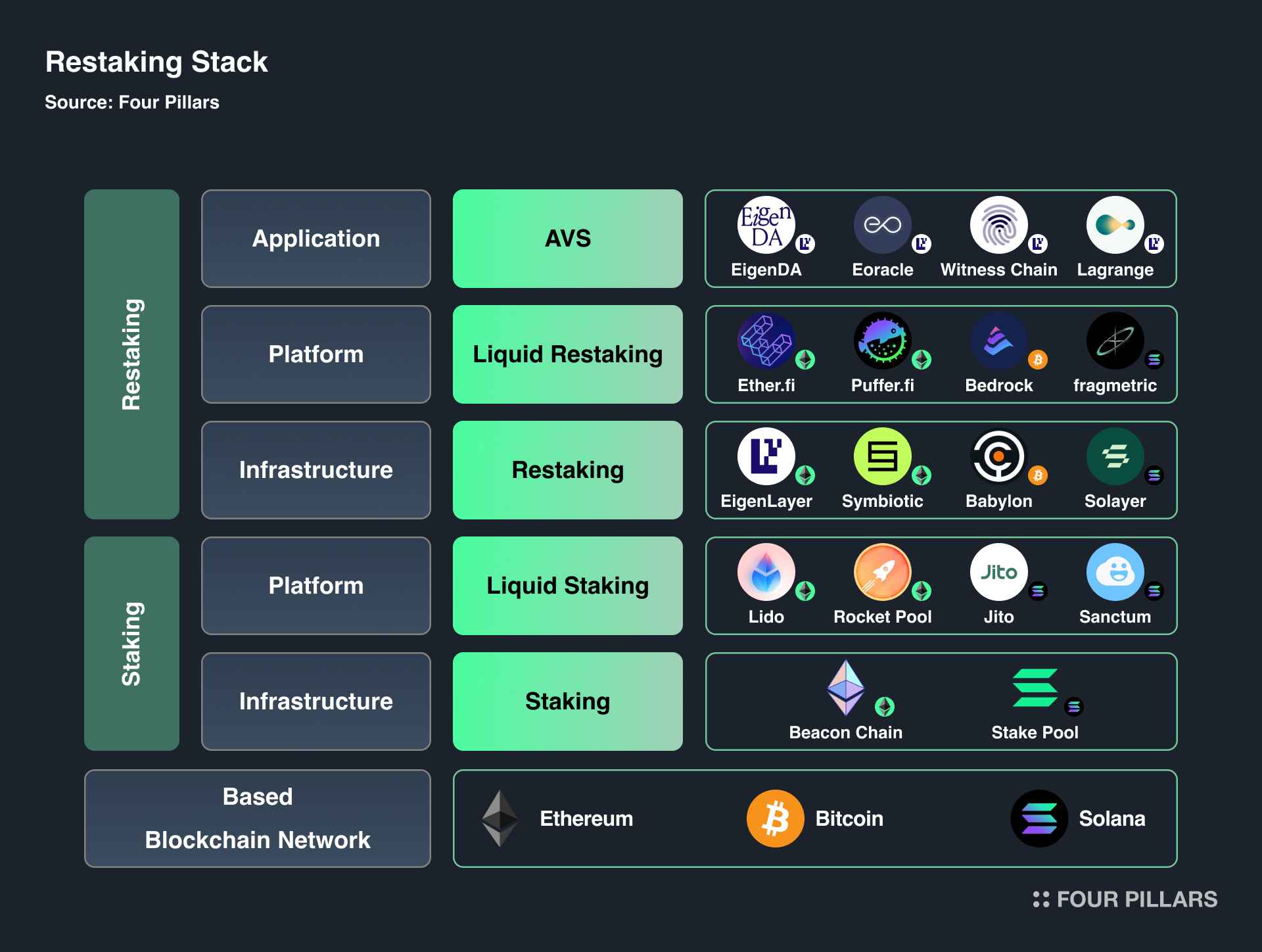
Analyze where the yield comes from. Is it primarily from Ethereum staking rewards, AVS-specific incentives, or a mix? Diversifying across multiple yield sources can stabilize returns, but it also increases complexity. Focus on protocols that offer transparent, sustainable reward structures rather than unsustainable high APYs.
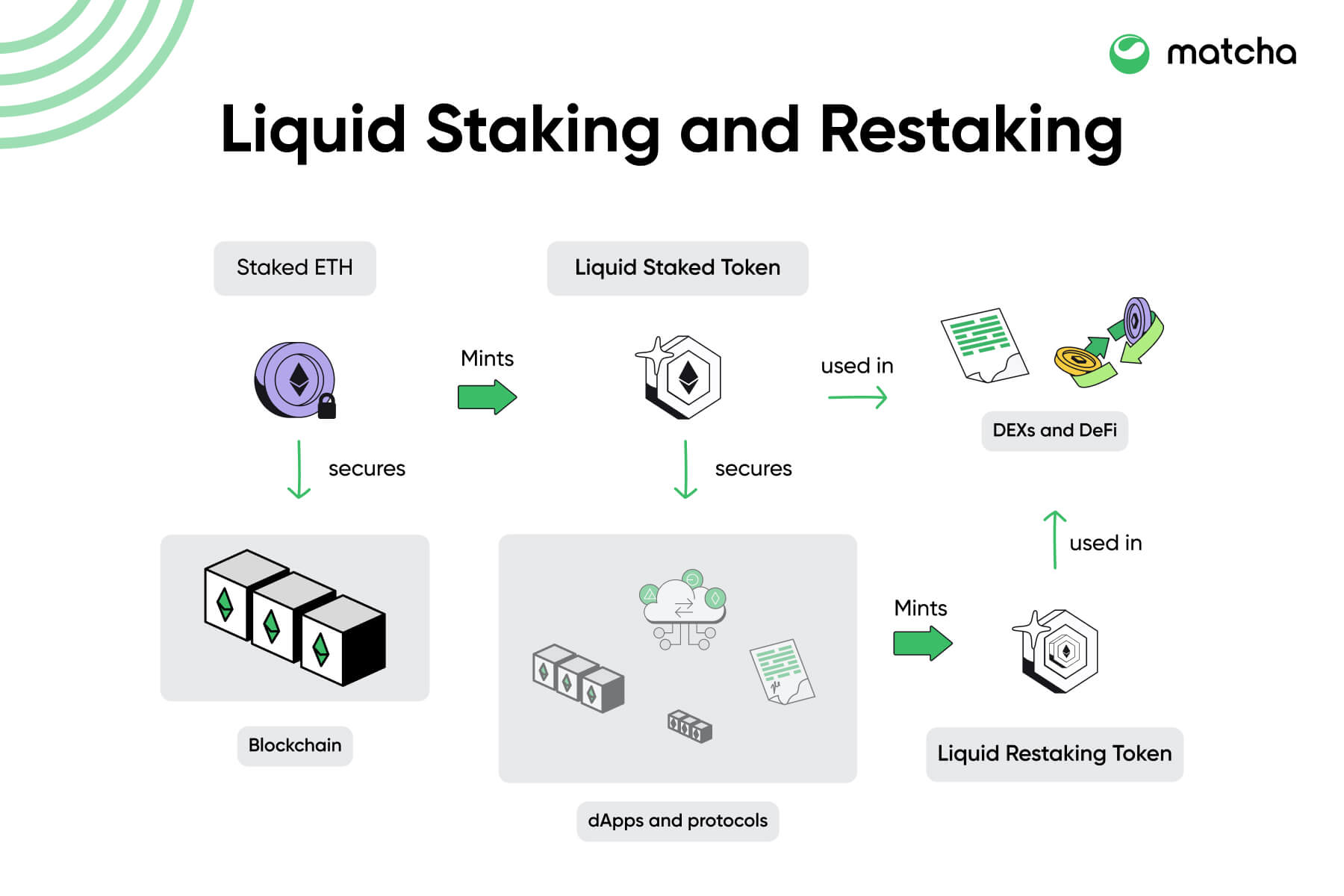
Slashing is the primary risk in restaking. Review the protocol’s history and the security guarantees of the AVSs it supports. Protocols with robust monitoring and automatic deactivation mechanisms reduce the chance of accidental penalties. Always read the fine print on who bears the risk if a validator misbehaves.
Liquidity matters if you need to exit quickly. Liquid Restaking Tokens (LRTs) offer flexibility by allowing you to trade your position, but they may carry additional smart contract risks. Evaluate the depth of the liquidity pools and the ease of redemption before committing your assets.
| Strategy | Risk Level | Yield Potential | Liquidity |
|---|---|---|---|
| Conservative L2 | Low | Moderate | High |
| Balanced L2 | Medium | High | Medium |
| Aggressive AVS | High | Very High | Low |
Frequently asked questions about restaking
What is the meaning of restaking?
Restaking is a crypto-economic security mechanism that enables staked assets, such as ETH, to be reused to secure additional decentralized protocols known as Actively Validated Services (AVSs). Instead of locking capital for a single purpose, validators pledge their existing security to multiple networks simultaneously. This process allows the same underlying asset to generate layered yield while expanding the security footprint of the broader ecosystem.
How does EigenLayer restaking work?
EigenLayer acts as the middleware that facilitates this reuse of security. When you restake through EigenLayer, you are using already-staked crypto—usually ETH or a liquid staking token—to secure additional networks beyond Ethereum itself. Normally, staking ETH means helping secure Ethereum through consensus rules and slashing penalties. EigenLayer extends these same economic guarantees to new services, allowing validators to earn additional restaking rewards for protecting these auxiliary protocols.
What is the main purpose of layer 2?
Layer 2 (L2) is a secondary framework built on top of Layer 1 that handles transactions off the main chain, settling them periodically to maintain security. In the context of restaking, L2s often act as key AVSs that benefit from the pooled security offered by EigenLayer. By integrating restaking, L2s can inherit Ethereum's robust security model without building their own validator sets from scratch, thereby improving capital efficiency and reducing operational costs.
No comments yet. Be the first to share your thoughts!