
Restaking 2026: The Shared Security Shift
Restaking has evolved from a niche experiment into the foundational infrastructure of the 2026 crypto economy. While traditional staking locks assets to secure a single blockchain, restaking allows that same capital to simultaneously secure multiple networks, known as Actively Validated Services (AVSs). This shift transforms Ethereum’s security model from a closed loop into a shared resource, creating a multi-layer yield environment where capital efficiency is maximized.
By reusing staked ETH, operators can provide security to oracles, bridges, and new blockchain architectures without requiring additional capital deployment. This mechanism effectively doubles the utility of each unit of staked ETH, driving down the cost of security for emerging protocols while offering stakers higher returns. The result is a more interconnected ecosystem where the value of Ethereum’s security is no longer siloed but distributed across a growing stack of applications.
The implications for market dynamics are significant. As restaking protocols like EigenLayer V2 mature, the barrier to launching new decentralized services lowers, potentially accelerating innovation. However, this increased complexity also introduces new risk vectors, requiring stakers to carefully evaluate the security assumptions of each AVS they support. The market is now pricing in this dual layer of yield and risk, making restaking a critical component of any serious portfolio strategy.
EigenLayer V2 upgrades and AVS growth
EigenLayer V2 marks a structural shift in restaking 2026, moving beyond simple yield aggregation to a more modular infrastructure. The upgrade introduces enhanced slashing conditions and improved economic security models, allowing the network to support more complex Active Validation Services (AVS) without compromising the underlying security of Ethereum's consensus layer. This evolution is critical for institutional adoption, as it reduces the operational friction of running secondary validation services.
The expansion of the AVS ecosystem is the primary driver of this growth. V2 enables specialized services, such as decentralized sequencers, oracle networks, and cross-chain bridges, to lease security from staked ETH. This creates a "yield stack" where capital is reused efficiently across multiple layers of the blockchain. Instead of idle staking rewards, restakers can now earn additional yield by providing specific computational or validation services to these new AVS protocols.
Capital efficiency improves significantly with V2's technical refinements. The protocol now better handles the complexity of multi-protocol slashing, ensuring that validators can participate in multiple AVSs without over-collateralization. This flexibility attracts more liquid capital, deepening the liquidity pools available for restaking. As the network matures, the ability to dynamically adjust security parameters will allow AVS providers to scale their operations in tandem with the growing restaking market.
Liquid restaking tokens capture yield without locking capital
Liquid Restaking Tokens (LRTs) solve the liquidity trap inherent in traditional restaking. When you restake ETH on EigenLayer, your assets are typically locked to secure the network, removing them from active circulation. LRTs like EtherFi and Kelp DAO issue a tokenized receipt that represents your staked position, allowing you to trade, lend, or provide liquidity with the same underlying capital. This mechanism effectively creates a "yield stack," where your assets earn base staking rewards, restaking security premiums, and additional DeFi yields simultaneously.
The market for these tokens has expanded rapidly alongside EigenLayer’s growth. As of May 2026, the broader liquid-staking category holds $39.43 billion in total value locked, with weekly fees reaching $23.03 million across tracked protocols [src-serp-8]. This capital efficiency is what distinguishes LRTs from standard restaking positions, turning dormant security deposits into active financial instruments.
The following table compares the leading LRT protocols by their market dominance and structural features. Note that TVL figures are dynamic and reflect the competitive landscape of restaking 2026.
| Protocol | Est. TVL | Primary Yield Source | Liquidity Mechanism |
|---|---|---|---|
| EtherFi (eETH) | $2.1B | EigenLayer AVS + DeFi | eETH + EtherFi Vault |
| Kelp DAO (rsETH) | $1.4B | EigenLayer + LRT Vaults | rsETH + RETH |
| Renzo (ezETH) | $900M | EigenLayer + Auto-Compounding | ezETH + Turbo Vaults |
| Symbiotic | $650M | Composable Restaking | Custom Asset Pools |
Restaking 2026 Risks: Slashing and Smart Contract Exposure
Restaking in 2026 introduces a complex web of dependencies where a single failure can cascade across multiple networks. While the yield potential is significant, the underlying mechanics rely on smart contracts that are inherently vulnerable to bugs and exploits. The core risk lies in the shared security model: when you restake ETH, you are not just securing one protocol but potentially dozens of Actively Validated Services (AVSs) simultaneously.
Slashing Conditions and Correlated Risk
Slashing is the primary mechanism for enforcing honest behavior in restaking, but it carries disproportionate risk for the operator. If an AVS experiences a malicious attack or a protocol bug, validators can be slashed for failing to detect or report the incident. In 2026, as the number of AVSs grows, the probability of encountering a slashing event increases. This is not an isolated risk; it is correlated across the entire restaking ecosystem. A failure in one major AVS can trigger a chain reaction, causing widespread slashing events that drain operator stakes and destabilize the broader network.
The complexity of slashing conditions means that operators must monitor a vast array of protocols. Missing a single update or failing to respond to a specific AVS's challenge window can result in the loss of staked assets. This creates a high-stakes environment where the cost of error is total loss, and the burden of vigilance falls entirely on the validator.
Smart Contract Vulnerabilities
Beyond slashing, the smart contracts that facilitate restaking are the most likely point of failure. These contracts manage the flow of staked assets and the distribution of rewards, making them high-value targets for attackers. A single vulnerability in a core restaking protocol or a downstream AVS can lead to the theft of billions in staked ETH. Unlike traditional finance, where losses are often insured or capped, crypto losses are typically irreversible.
The interconnected nature of restaking amplifies this risk. A compromise in a widely used Liquid Restaking Token (LRT) protocol can affect all users holding that token, regardless of which AVS they are secured. This systemic risk means that diversification across multiple AVSs does not necessarily reduce exposure; it may instead increase it by spreading risk across more vulnerable contracts. Investors must carefully assess the audit history and security posture of every protocol they interact with, recognizing that no amount of due diligence can eliminate the inherent risks of smart contract code.
Bitcoin Restaking: Babylon and Beyond
Restaking is no longer exclusive to Ethereum. Protocols like Babylon have introduced a mechanism that allows Bitcoin holders to secure other networks while maintaining custody of their BTC. This development effectively unlocks the dormant capital of the world’s largest cryptocurrency, turning static holdings into active security infrastructure.
The core mechanic differs from traditional staking. Instead of locking BTC in a validator, users deposit it to help validate other Proof-of-Stake chains. In return, they receive yield from the secured networks. This creates a new layer in the yield stack, offering returns that are distinct from Bitcoin’s base appreciation or liquid staking derivatives.
The expansion into Bitcoin restaking signals a maturation of the restaking 2026 landscape. It demonstrates how capital efficiency can be extended across heterogeneous blockchains. As more protocols adopt these standards, the potential for decentralized security grows, providing BTC holders with a novel way to participate in the broader crypto economy.
Checklist: Evaluating Restaking Safety
Before committing capital to restaking protocols, you must audit the underlying security assumptions. Restaking amplifies yield but also concentrates risk across multiple layers. A failure in one Active Verification Service (AVS) can trigger cascading slashing events on your staked assets.

Check if the protocol’s smart contracts clearly define slashing penalties. Ambiguous or overly aggressive slashing mechanisms can wipe out principal during network stress. Look for independent audit reports that specifically address these edge cases.
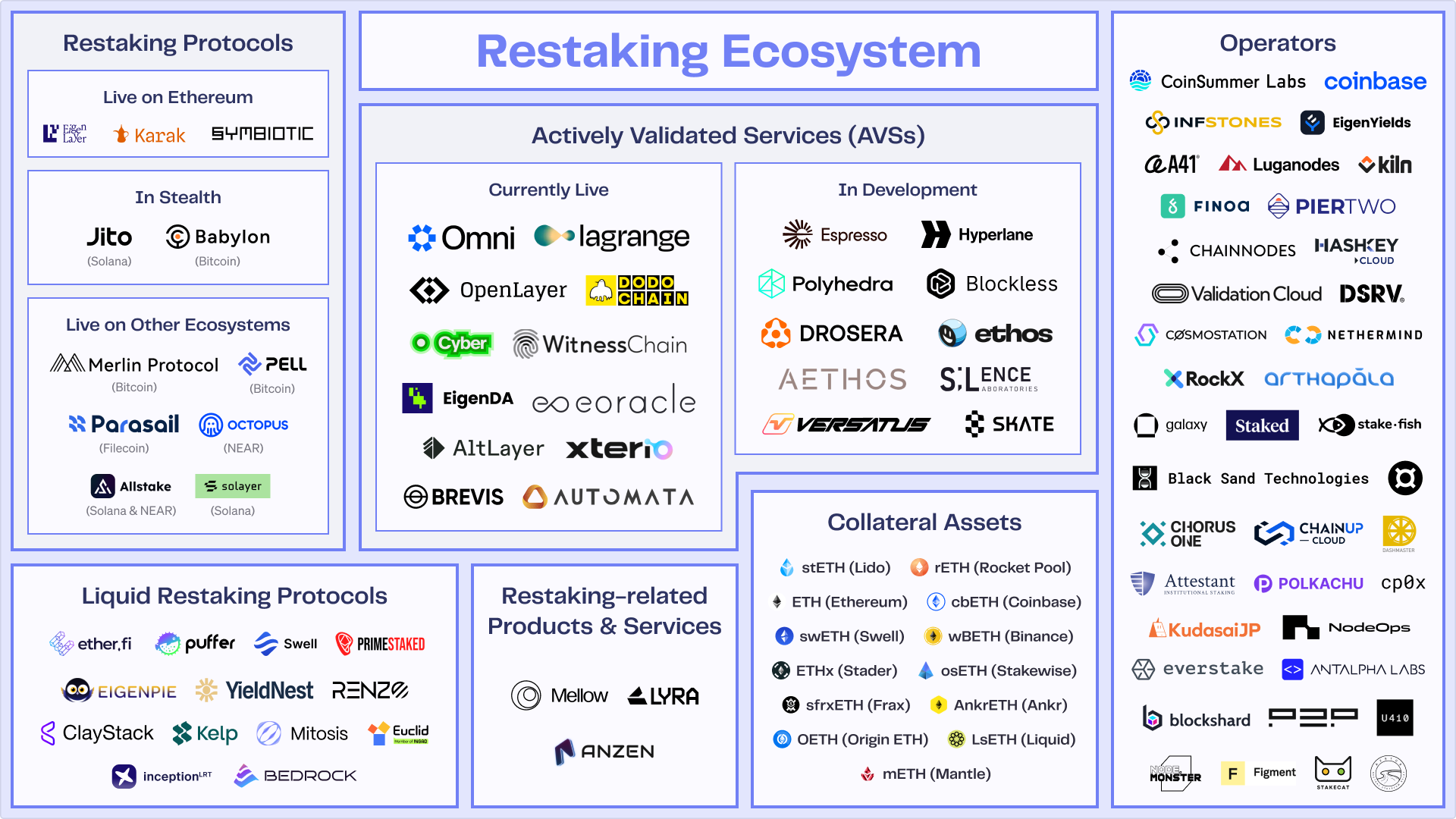
Avoid protocols that rely on a single, dominant AVS. Diversification reduces the impact of a single point of failure. If the primary AVS experiences a bug or exploit, your assets should remain protected by other independent verification layers.
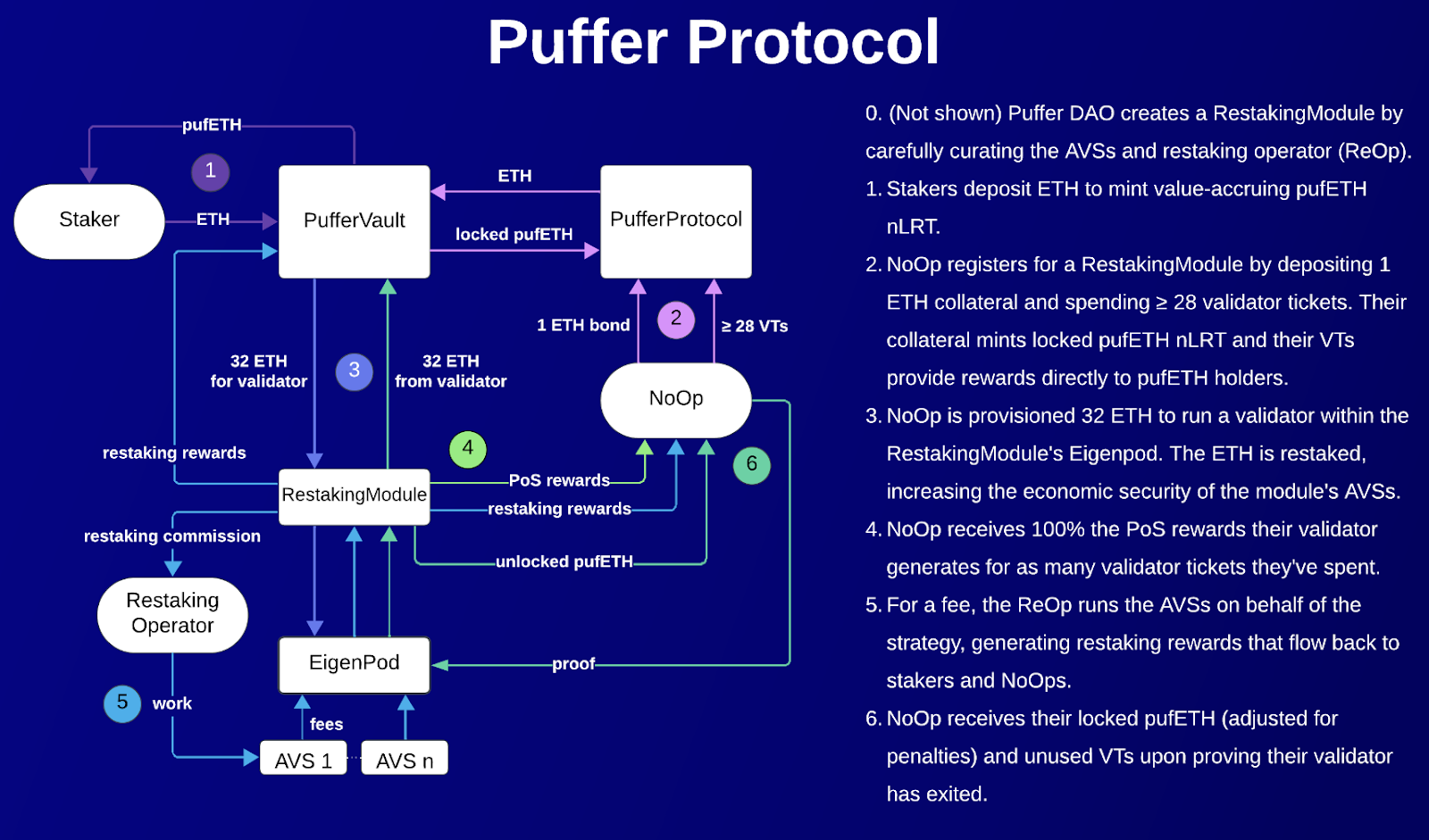
Operators manage the actual node infrastructure. Verify their track record, uptime history, and security practices. Reputable operators typically have public dashboards and long-standing operational histories in the Ethereum or Solana ecosystems.
A disciplined approach to due diligence separates sustainable yield from speculative risk. Treat restaking not as a passive income stream, but as an active security participation model.
No comments yet. Be the first to share your thoughts!