
What restaking 2026 means for stakers
Restaking has moved from speculative hype to foundational infrastructure. In 2026, the practice is no longer a fringe experiment but a core utility for Ethereum validators. Restaking allows stakers to use their already-staked ETH to secure additional decentralized services, known as Actively Validated Services (AVSs). This creates a layered security model where the same capital underpins multiple protocols simultaneously.
The shift is measurable. EigenLayer’s total value locked (TVL) has stabilized above $15 billion, signaling that institutional and retail participants view restaking as a reliable yield source rather than a temporary trend. This infrastructure layer transforms ETH from a passive store of value into an active security asset. Stakers can now earn base staking rewards plus additional yields from the AVSs they support, effectively monetizing their security contribution multiple times.
This differs significantly from standard staking. Traditional staking secures only the Ethereum consensus layer. Restaking extends that security to new applications, such as decentralized oracle networks, cross-chain bridges, or specialized compute networks. While this increases potential returns, it also introduces new risk vectors, including slashing conditions that can penalize validators if they fail to meet the requirements of the AVSs they support.
EigenLayer V2 and the shared security model
EigenLayer V2 moves restaking from a simple yield layer to a foundational security primitive. By allowing Ethereum stakers to delegate their stake to Actively Validated Services (AVS), the protocol creates a shared security market. This means capital that secures Ethereum can simultaneously secure oracles, bridges, or decentralized storage networks without requiring separate, siloed validator sets.
The technical architecture separates the consensus layer from the application layer. Stakers lock their ETH to validate Ethereum blocks, while AVS operators use that same stake to validate specific service requirements. If an AVS operator behaves maliciously, the underlying ETH stake is slashed. This mechanism aligns economic incentives: security becomes a commodity that new protocols can rent rather than build from scratch.
This model significantly reduces the friction for launching new decentralized infrastructure. Instead of bootstrapping a large, independent validator set, a new service can tap into Ethereum’s existing security pool. For stakers, this offers a way to earn additional yield on idle stake, though it introduces complexity and potential slashing risks tied to the specific AVS’s performance.
The integration of shared security is reshaping how we view Ethereum’s role in the broader ecosystem. It transforms ETH from a simple settlement asset into a multi-purpose security layer. As more AVSs launch, the interdependence between Ethereum’s base layer and these new services will deepen, making the stability of the entire network reliant on the robustness of this shared security model.
Liquid restaking tokens vs direct restaking
Liquid Restaking Tokens (LRTs) and direct restaking represent two distinct approaches to capitalizing on EigenLayer V2. Direct restaking involves locking staked ETH directly into the protocol to secure Active Validation Services (AVS). This method offers maximum yield capture for those willing to manage the operational complexity and illiquidity of their positions. In contrast, LRTs tokenize your restaked position, allowing you to retain liquidity while earning yield from multiple sources simultaneously.
The primary advantage of LRTs is the ability to use your restaked collateral in other DeFi protocols. While direct restakers are locked into their positions until the unstaking queue clears—a process that can take weeks or even months due to network exit rate limits—LRT holders can trade or lend their tokens. This liquidity premium comes with a trade-off: LRTs introduce smart contract risk from the tokenization layer and often involve yield aggregation fees that can slightly dilute the base restaking reward.
To understand the structural differences, consider the following comparison of key operational metrics.
| Feature | Direct Restaking | Liquid Restaking (LRT) |
|---|---|---|
| Liquidity | Illiquid (locked until exit queue) | Liquid (tradable on DEXs) |
| Yield Source | EigenLayer AVS rewards only | EigenLayer + DeFi protocol yields |
| Complexity | High (manual node management) | Low (automated via LRT provider) |
| Risk Layer | Smart contract risk of EigenLayer | Smart contract risk of EigenLayer + LRT protocol |
| Capital Efficiency | Single-layer yield | Multi-layer yield (re-collateralization) |
For institutional investors seeking pure exposure to Ethereum security, direct restaking via providers like Anchorage Digital offers a straightforward path with minimal protocol overhead. However, for most participants, LRTs provide a more flexible framework. They allow capital to work harder by generating yield from both security services and broader DeFi markets, effectively turning trapped staked assets into multi-layer yield engines.
Managing risk in restaking
Restaking amplifies rewards, but it also amplifies the blast radius of a failure. When you restake, your capital is no longer just securing Ethereum; it is securing every Actively Validated Service (AVS) you opt into. If one of those services suffers a breach or a smart contract vulnerability, your staked ETH is on the line. This is the core tension of shared security: higher yield comes with higher interconnected risk.
The most immediate threat is slashing. Slashing occurs when an operator fails to perform its duties or acts maliciously, resulting in the penalty of staked assets. In a restaking context, a single operator might be responsible for multiple AVSs. A misconfiguration or hack in one service can trigger slashing across all of them, draining your position far faster than in standard staking. You are effectively betting on the competence and security posture of the entire chain of operators you have chosen.
Operator vetting is not optional; it is your primary defense. You must look beyond yield rates and examine the technical infrastructure of the operators. Do they use multi-signature wallets? Do they have a history of uptime? Are their smart contracts audited by reputable firms? Using vetted operators reduces the probability of catastrophic failure, but it does not eliminate it. Smart contract risks remain inherent to the AVS layer, meaning your capital is exposed to code that may not have been battle-tested under the same scale as Ethereum itself.
Understanding the mechanics of exit queues is also part of risk management. While restaking locks your assets into additional services, the underlying ETH remains in the Ethereum consensus layer. Exiting from Ethereum is rate-limited to approximately 256 ETH per epoch. This bottleneck means that in times of market stress or network-wide slashing events, liquidity can dry up quickly, making it difficult to exit positions rapidly. You must be prepared for illiquidity as a permanent feature of the strategy, not just a temporary inconvenience.
Choosing a restaking strategy for 2026
Selecting a restaking path depends on your tolerance for complexity versus yield. The landscape splits into three distinct approaches: Liquid Restaking Tokens (LRTs), direct restaking, and hybrid models. Each offers a different balance of liquidity, control, and risk exposure.
LRTs wrap your staked ETH into a tradable token that automatically restakes it across multiple Actively Validated Services (AVS). This is the easiest entry point for most users. You get immediate liquidity and diversified yield, but you surrender control over which specific AVS your capital secures. Think of it as a managed fund for restaking.
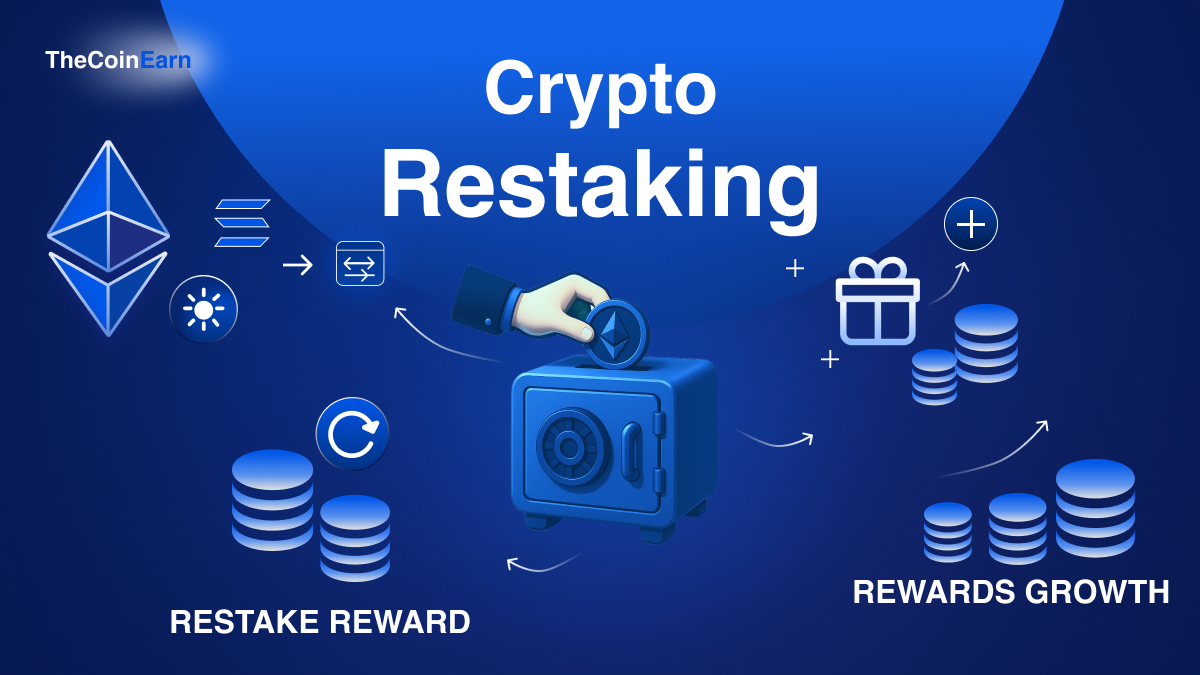
Direct restaking involves running your own validator node and connecting it to EigenLayer contracts. This method offers the highest potential yield because you select specific AVS with lower fees. However, it requires technical expertise to manage node infrastructure and monitor slashing risks. It is best suited for sophisticated operators who want full control over their capital allocation.
Hybrid strategies combine LRTs with direct restaking. You might use LRTs for the bulk of your portfolio to maintain liquidity while allocating a smaller portion to direct restaking for higher yields. This approach balances ease of use with the potential for enhanced returns, though it introduces the complexity of managing multiple positions.
| Feature | LRTs | Direct | Hybrid |
|---|---|---|---|
| Liquidity | High | None | Medium |
| Technical Barrier | Low | High | Medium |
| Yield Potential | Moderate | High | Moderate-High |
| Control | Low | Full | Partial |
Frequently asked questions about restaking
What is restaking?
Restaking allows you to use already-staked ETH to secure additional decentralized services, known as Actively Validated Services (AVSs). Instead of locking your ETH once for Ethereum’s base security, you delegate that same stake to multiple protocols. This creates a layered security model where your ETH earns rewards from both the Ethereum network and the AVSs it supports. Think of it as extending your security blanket to cover more digital infrastructure without tying up new capital.
Why is ETH taking so long to unstake?
Unstaking ETH is rate-limited by the protocol to protect network stability. The system allows a maximum of 256 ETH to exit per epoch, which lasts about 6.4 minutes. This cap limits the total daily exit volume to approximately 57,600 ETH across the entire network. If many validators attempt to withdraw simultaneously, they must wait in line, making the process slower than a simple button click.
Is restaking safe?
Restaking introduces new risks beyond standard staking. While Ethereum’s base layer remains secure, the AVSs you support may have their own vulnerabilities or slashing conditions. If an AVS fails or a validator misbehaves, your ETH could be slashed. You are effectively underwriting the security of these new services, so thorough research into each AVS’s code and incentives is essential before committing your stake.
What is the difference between LRTs and restaking?
Liquid Restaking Tokens (LRTs) are a specific implementation of restaking that provides liquidity. When you restake directly, your ETH is locked and illiquid. LRTs issue a tokenized receipt (like ezETH or rsETH) that represents your restaked position, allowing you to trade or use it in other DeFi protocols while still earning restaking rewards. This solves the liquidity problem inherent in direct restaking.
No comments yet. Be the first to share your thoughts!