
What restaking means for 2026 yields
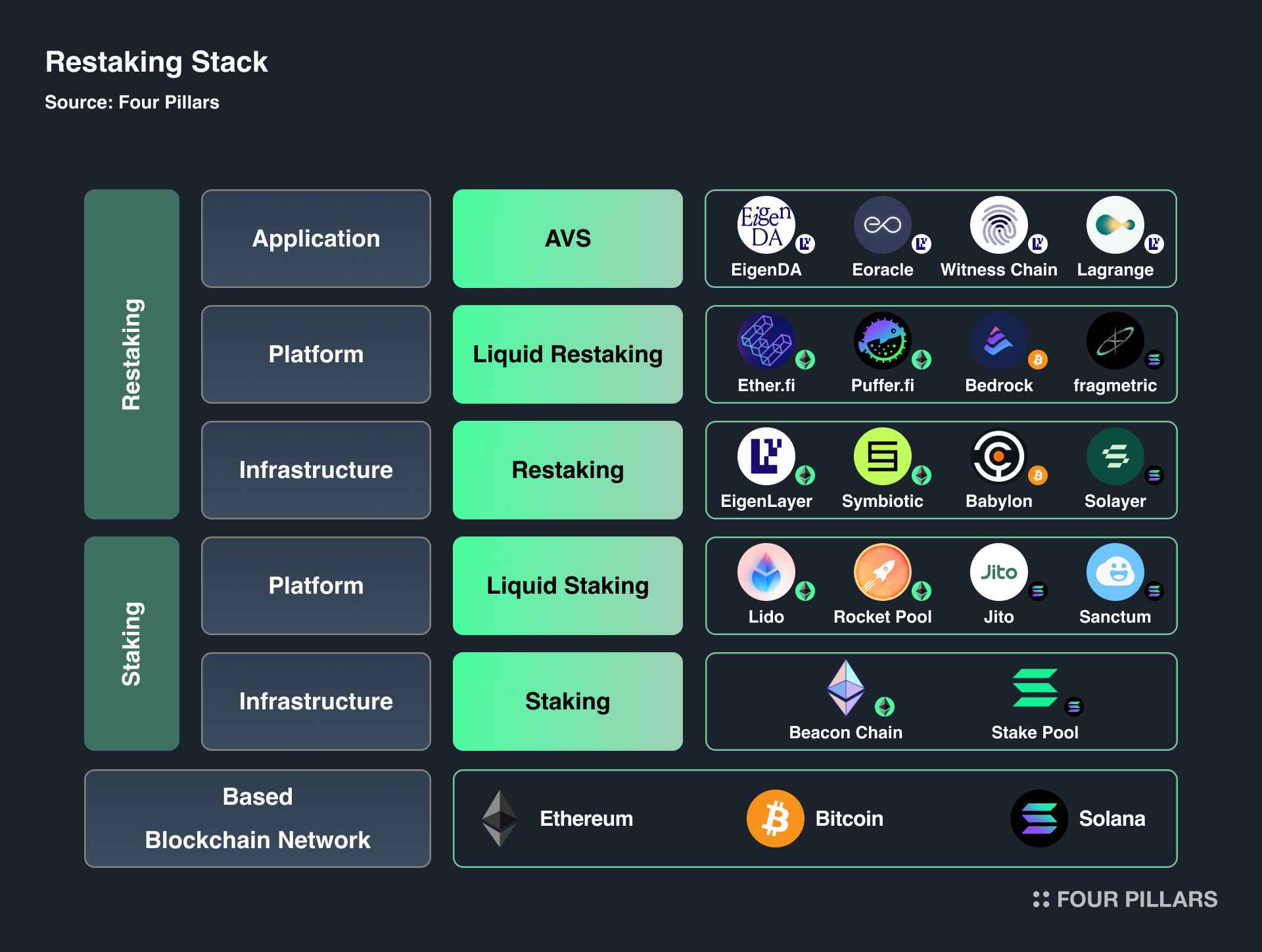
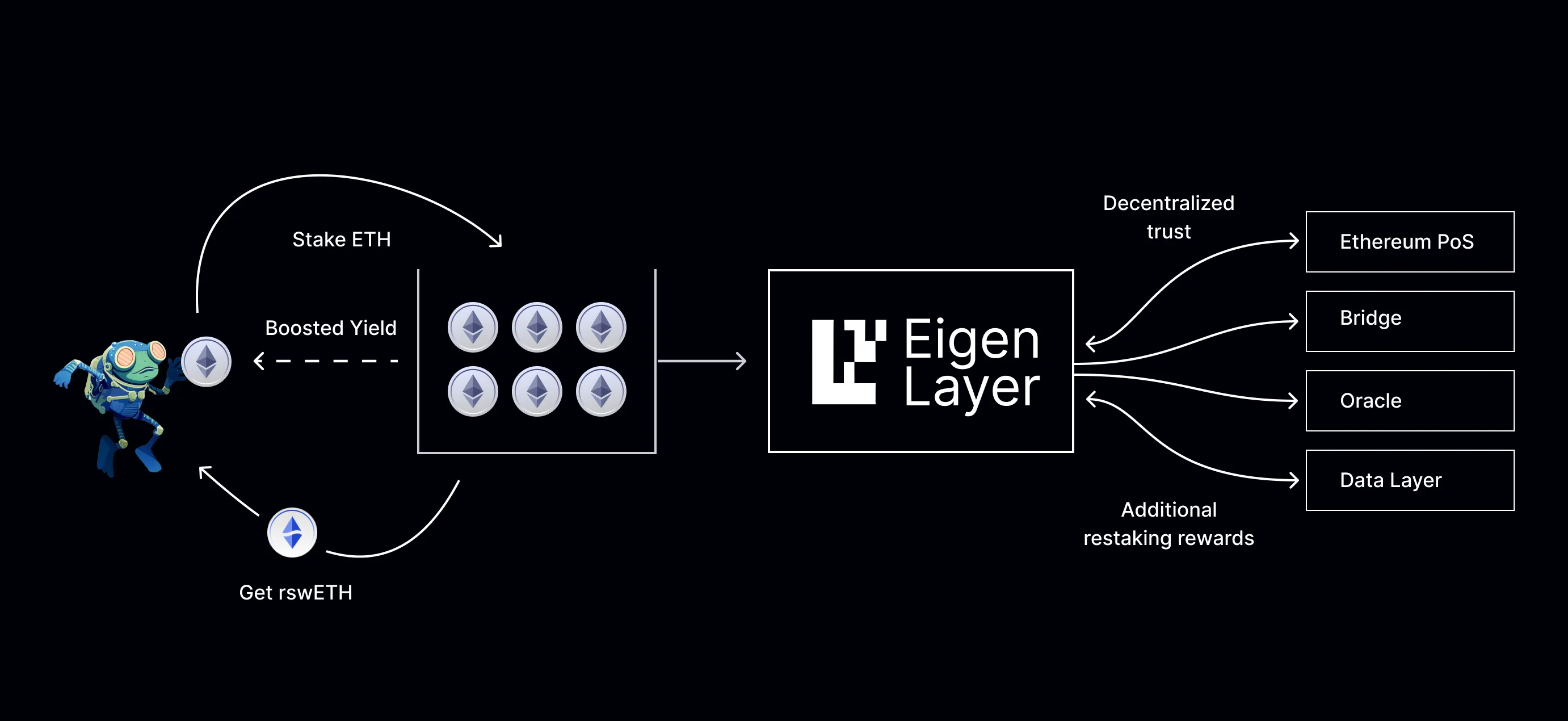
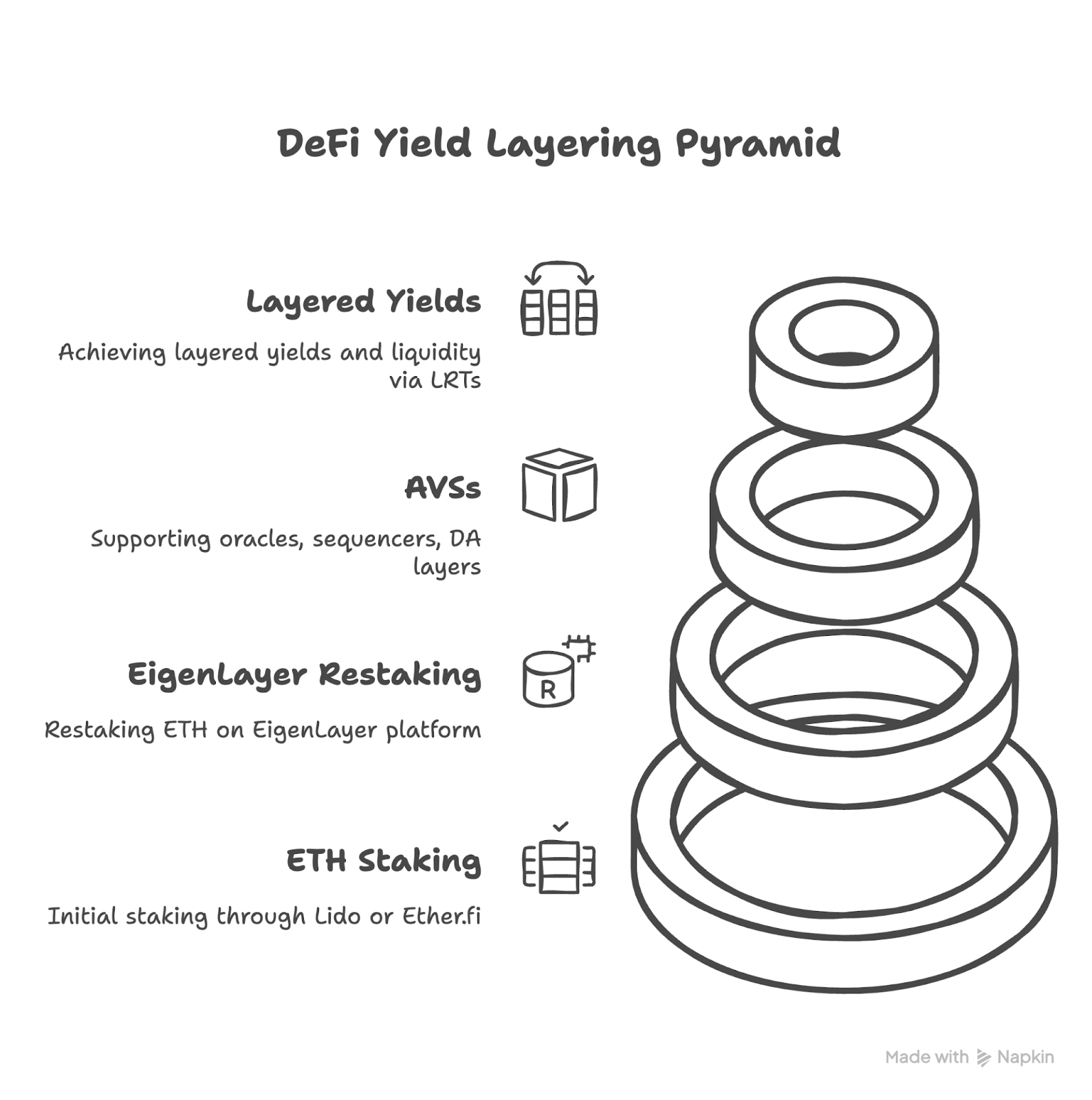
Restaking has evolved from a niche experiment into a foundational layer of the 2026 crypto economy. At its core, it allows stakers to reuse their already-staked Ethereum to secure additional decentralized services, such as oracles, bridges, or other blockchain networks. This creates a dual-purpose asset: the same ETH simultaneously earns base staking rewards from Ethereum and generates additional yield from the services it protects.
The distinction between standard staking and restaking lies in capital efficiency. Standard staking locks ETH to validate the Ethereum mainnet, earning a steady, baseline return. Restaking takes that secured ETH and extends its cryptographic proof to other protocols. In return, restakers receive "re-staking rewards" from these secondary services. This mechanism addresses a persistent industry challenge: finding sustainable yield in a maturing market where traditional passive income options are scarce.
By 2026, the restaking landscape is dominated by established frameworks like EigenLayer, which pioneered the concept of "restaking-as-a-service." While the strategy offers higher potential returns, it introduces new risk vectors, including smart contract vulnerabilities and slashing conditions that can penalize validators for failures across any secured service. Understanding this trade-off is essential for anyone allocating capital in the current yield environment.
EigenLayer AVS mechanics and risk
EigenLayer functions as a shared security layer for Ethereum, allowing stakers to pledge their already-staked ETH to secure additional protocols known as Actively Validated Services (AVS). This mechanism creates a new yield landscape by decoupling security provision from the base Ethereum Layer 1, enabling developers to launch new chains or oracle networks without bootstrapping their own validator sets. Instead of competing for independent stake, these services piggyback on Ethereum’s existing consensus power, effectively pooling security resources across the ecosystem.
The architecture relies on a sophisticated middleware layer that validates the behavior of AVS operators. When an operator chooses to secure an AVS, they sign specific messages attesting to the service’s correct operation. If the operator fails to perform these duties—or acts maliciously—the Ethereum consensus layer can detect the violation. This detection triggers a slashing event, where a portion of the operator’s staked ETH is burned or transferred to a penalty pool. The risk here is not theoretical; it is a hard-coded economic consequence of failing to uphold the cryptographic promises made to the AVS.
This shared security model introduces complex risk vectors for restakers. While the yield potential increases, so does the exposure to smart contract vulnerabilities and operator negligence. A failure in an AVS’s smart contract logic can lead to slashing even if the operator acted in good faith, highlighting the importance of code audits and formal verification. Also, the concentration of stake among large operators creates systemic risk: a single point of failure in a major AVS could cascade across multiple protocols relying on the same security pool.
Understanding these mechanics is critical for assessing the true cost of restaking yield. The premium paid by AVS operators for shared security is essentially a risk premium, compensating stakers for the additional exposure to slashing conditions. As the ecosystem matures in 2026, the sophistication of slashing conditions and the diversity of AVS types will determine the stability of this yield. Investors must scrutinize not just the APY, but the underlying smart contract integrity and the reputation of the operators securing their assets.
Etherlink Layer 2 integration strategy
Use this section to make the Restaking decision easier to compare in real life, not just on paper. Start with the reader's actual constraint, then separate must-have requirements from details that are merely nice to have. A practical choice should survive normal use, maintenance, timing, and budget. If a recommendation only works in an ideal situation, call that out plainly and give the reader a fallback path.
The simplest way to use this section is to write down the must-have criteria first, then compare each option against those criteria before weighing nice-to-have features.
Comparing yield sources and choices that change the plan
Use this section to make the Restaking decision easier to compare in real life, not just on paper. Start with the reader's actual constraint, then separate must-have requirements from details that are merely nice to have. A practical choice should survive normal use, maintenance, timing, and budget. If a recommendation only works in an ideal situation, call that out plainly and give the reader a fallback path.
| Factor | What to check | Why it matters |
|---|---|---|
| Fit | Match the option to the primary use case. | A good deal still fails if it does not fit the job. |
| Condition | Verify age, wear, and service history. | Hidden condition issues erase upfront savings. |
| Cost | Compare purchase price with likely upkeep. | The cheapest option is not always the lowest-cost option. |
Slashing risks and capital efficiency
Use this section to make the Restaking decision easier to compare in real life, not just on paper. Start with the reader's actual constraint, then separate must-have requirements from details that are merely nice to have. A practical choice should survive normal use, maintenance, timing, and budget. If a recommendation only works in an ideal situation, call that out plainly and give the reader a fallback path.
The simplest way to use this section is to write down the must-have criteria first, then compare each option against those criteria before weighing nice-to-have features.
Steps to start restaking safely
Start Restaking with the constraint that matters most in real life: space, timing, budget, skill level, maintenance, or availability. That first constraint should shape the rest of the plan instead of appearing as an afterthought. Keep the first pass simple enough to verify. Compare the main options against the same criteria, remove choices that only work in ideal conditions, and save optional upgrades for later.
No comments yet. Be the first to share your thoughts!