
Restaking in 2026: What to Expect
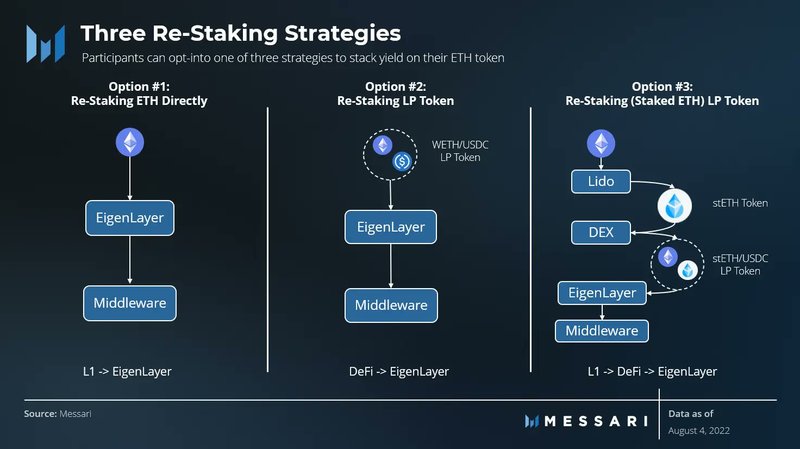
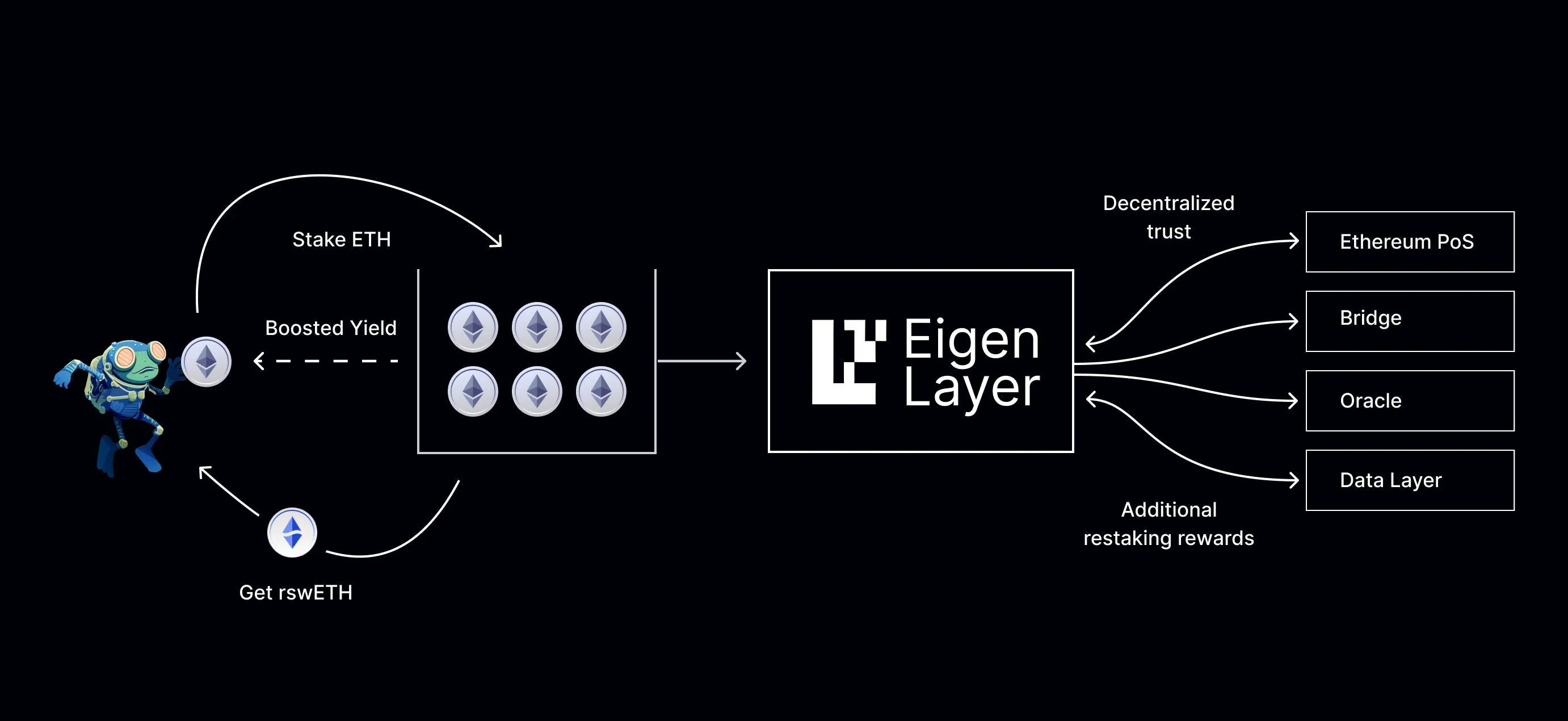
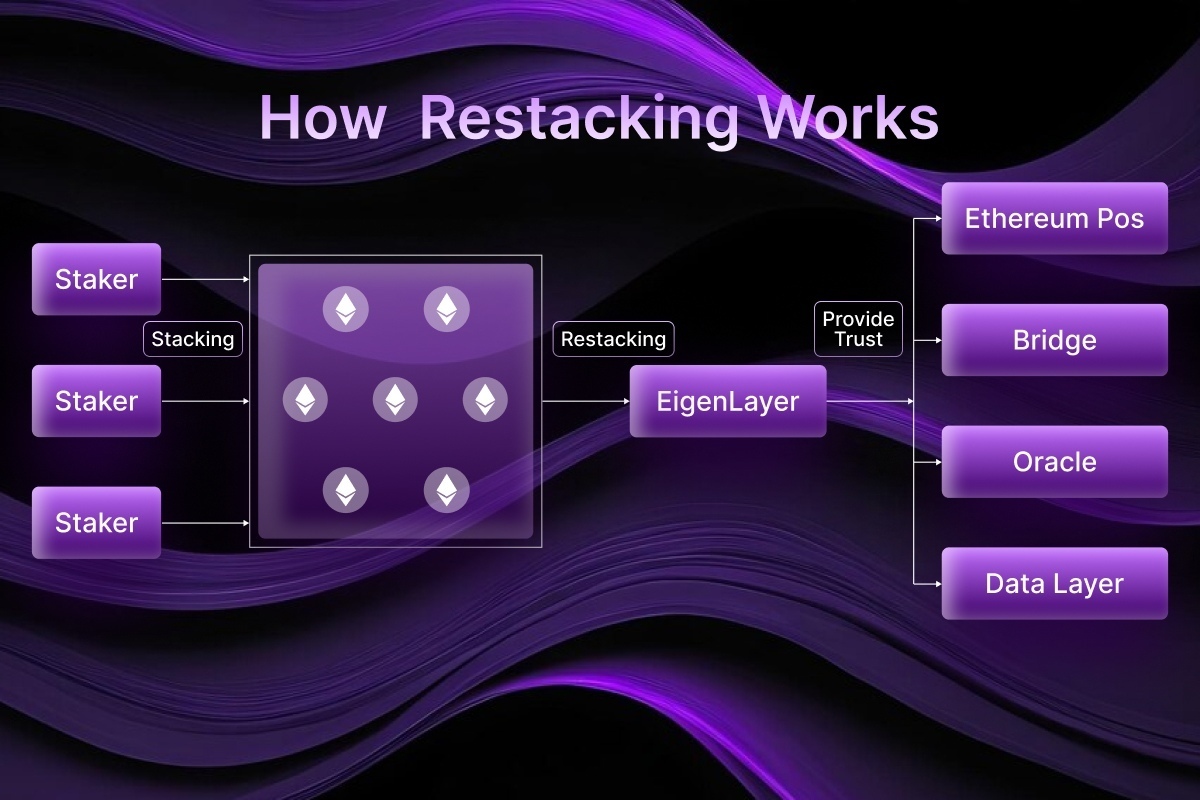
Restaking has moved from experimental protocol to a core layer of Ethereum’s security model. In 2026, the primary question is not whether restaking works, but how to manage the concentrated risk of sharing your staked ETH across multiple services. The mechanism remains the same: you stake ETH on Ethereum, then "restake" that same capital to secure additional decentralized services called Actively Validated Services (AVSs). In return, you earn extra yield on top of your base staking rewards.
The landscape has shifted from a handful of beta tests to a structured ecosystem of Liquid Restaking Tokens (LRTs) and specific AVS providers. This maturity brings clarity but also complexity. You are no longer just choosing between staking pools; you are selecting which secondary services trust your capital. The yield is higher, but so is the exposure to slashing events if those AVSs fail to perform correctly.
The 2026 restaking choices that change the plan
The main decision in 2026 is balancing yield against security breadth. Early adopters chased high APYs on new AVSs, often ignoring the smart contract risk of the intermediary LRT protocols. This year, the focus is on sustainable yield from established AVSs like oracle networks, cross-chain bridges, and decentralized compute markets. The "free money" phase is over; now, it is about risk-adjusted returns.
| Feature | Native Staking | Restaking (AVSs) |
|---|---|---|
| Primary Role | Secures Ethereum consensus | Secures Ethereum + AVSs |
| Risk | Standard slashing (double signing) | Slashing + AVS smart contract risk |
| Yield Source | ETH block rewards + MEV | ETH rewards + AVS fees |
| Liquidity | Locked until withdrawal queue | Often liquid via LRTs (e.g., Ether.fi) |
Choosing Your Path
If you are risk-averse, stick to native staking through a reputable provider. You get steady, predictable returns with the lowest possible attack surface. If you are comfortable with smart contract risk, restaking offers a way to multiply your capital’s utility. Look for AVSs with long track records and clear economic incentives. Avoid new, untested services promising astronomical yields, as these are often the first to experience exploits or slashing events.
The key is to view restaking as a portfolio decision. Allocate a portion of your ETH to native staking for stability, and a smaller portion to restaking for yield. Diversify across different LRTs and AVSs to avoid a single point of failure. This approach captures the benefits of the post-Ethereum landscape without exposing your entire capital to the volatility of new protocols.
Restaking 2026 choices that change the plan
Restaking converts staked ETH into a multi-purpose security resource. While this mechanism unlocks higher yields, it introduces layered risks that vary significantly by protocol. Understanding these tradeoffs is essential for managing capital in an environment where slashing conditions and smart contract vulnerabilities intersect.
The primary decision involves choosing between native restaking and liquid restaking tokens (LRTs). Native restaking offers direct control and lower fees but requires technical expertise to manage AVS (Actively Validated Service) selection. LRTs provide liquidity and automated risk distribution but introduce additional smart contract layers and protocol fees that can erode net returns during market downturns.
Risk Exposure and Slashing
Slashing risk is the most critical tradeoff. When you restake ETH, you are signing a commitment to secure multiple services. If you are selected for an AVS and fail to perform your duties, your entire staked ETH is at risk of being slashed. Native restakers face this risk directly. LRTs often distribute this risk across a pool, but if the LRT protocol itself is compromised or if the slashing event is systemic, losses can be total. Always verify the slashing conditions of each AVS before committing capital.
Yield Sustainability and Fees
Yields in 2026 are driven by a base ETH staking reward plus a "security premium" from AVSs. However, LRT protocols charge management fees, typically 10-20% of the excess yield. In high-demand AVS environments, these fees are justified by the ease of use and liquidity. In low-demand periods, the fees can significantly drag down performance compared to native restaking. Evaluate whether the liquidity premium of an LRT outweighs the fee drag for your specific holding period.
Liquidity and Flexibility
Native restaking locks your ETH until the next withdrawal queue, which can be lengthy. LRTs provide a liquid token (e.g., ezETH, KENZO) that can be used in DeFi protocols for additional yield or as collateral. This flexibility is a major advantage for active traders. However, using LRTs in DeFi exposes you to impermanent loss and smart contract risk in the lending/borrowing protocols. The convenience of liquidity comes with a complex risk stack.
Protocol Counterparty Risk
Each AVS and LRT protocol adds a new layer of smart contract code. The more protocols you interact with, the higher your exposure to bugs or exploits. Native restaking minimizes counterparty risk by relying on Ethereum's core consensus layer. LRTs introduce additional custodial and governance risks. Review the audit history and insurance coverage of each LRT provider. Do not assume that a large Total Value Locked (TVL) equates to safety.
| Feature | Native Restaking | Liquid Restaking (LRT) |
|---|---|---|
| Slashing Risk | Direct, full exposure | Distributed, but protocol-dependent |
| Liquidity | Locked until withdrawal queue | Liquid token for DeFi use |
| Fees | Minimal (gas only) | 10-20% yield share + fees |
| Complexity | High (manual AVS selection) | Low (automated pooling) |
| Counterparty Risk | Low (core consensus) | High (multiple smart contracts) |
Choosing the Right Approach
For long-term holders who prioritize security and simplicity, native restaking with a reputable validator is the safest path. You avoid extra fees and smart contract layers. For active DeFi users who need liquidity and are willing to manage higher risk, LRTs offer superior utility. Always diversify your restaking exposure across multiple AVSs and LRT providers to mitigate single-point failures.
Choose the next step
Restaking Layer works best as a clear sequence: define the constraint, compare the realistic options, test the tradeoff, and choose the path with the fewest hidden costs. That order keeps the advice usable instead of decorative. After each step, pause long enough to check whether the recommendation still fits the reader's actual situation. If it depends on perfect timing, unusual access, or a best-case budget, include a simpler fallback.
Spot Weak Restaking Options
Not all restaking paths offer equal security or value. Many projects market themselves as essential infrastructure while offering thin security pools or opaque risk models. Before committing capital, you need to check what the protocol actually secures and who bears the loss if things go wrong.
A common mistake is assuming all Liquid Restaking Tokens (LRTs) are created equal. For instance, while Ether.fi, Renzo, and Kelp are prominent players, their underlying mechanisms differ significantly. Some rely heavily on specific Actively Validated Services (AVSs) that may not be battle-tested, creating a single point of failure. Others distribute risk across a wider, but less specialized, set of validators. You must evaluate whether the yield comes from genuine economic security or just inflated token emissions.
Watch out for "weak options" that promise high yields without robust slashing protection. If a protocol doesn't clearly explain how it handles validator downtime or malicious behavior, treat it as a high-risk experiment. Always verify the total value secured (TVS) against the number of active AVSs to gauge real adoption versus marketing hype.
Restaking 2026: practical questions and choices that change the plan
Restaking remains a high-stakes strategy in 2026, offering significant yield premiums but introducing complex risk vectors. Before committing capital to EigenLayer AVSs or liquid restaking tokens (LRTs), it is essential to understand the specific mechanics and potential downsides.
The decision to restake should depend on your risk tolerance and need for liquidity. For those seeking passive income without active management, LRTs offer a simpler entry point. For validators willing to manage multiple key registrations and monitor AVS performance, native restaking can maximize capital efficiency.
No comments yet. Be the first to share your thoughts!