
Restaking 2026: the limits to account for
Restaking 2026 is defined by the tension between yield and risk. While EigenLayer V2 and new Active Verification Services (AVS) protocols promise higher returns by reusing staked ETH, they introduce complex failure modes. The constraint is no longer just capital availability; it is the operational ability to manage slashing events across multiple layers.
In 2024, restaking was a novel experiment. By 2026, it has become infrastructure. However, the "pooled security" model means that a vulnerability in one AVS can jeopardize the entire restaked position. This creates a dependency chain that traditional staking did not have. Restakers must now audit not just the base protocol, but every service their assets support.
The market is shifting from speculative yield farming to institutional-grade security. This means restaking rewards will increasingly reflect the actual cost of securing specific services, not just inflation. For the average user, this means higher potential returns come with the need for active monitoring and liquid staking derivative (LSD) management. The 2026 landscape rewards those who understand the technical underpinnings of their security assumptions.
Restaking 2026 choices that change the plan
Choosing a restaking strategy requires balancing yield against the complexity of managing slashing risk and smart contract exposure. In 2026, the market has shifted from experimental setups to structured protocols, but the core tradeoffs remain distinct. You must decide whether to prioritize pure Ethereum base yields or seek the "security premium" offered by Actively Validated Services (AVSs).
The following table compares the three dominant approaches available to stakers this year. Each option offers different risk profiles, liquidity terms, and potential returns.
| Approach | Primary Yield Source | Slashing Exposure | Asset Liquidity |
|---|---|---|---|
| Solo Staking | ~2.8–3.2% base | Direct (Full Control) | Locked until exit |
| Liquid Restaking Tokens (LRTs) | Base + AVS Rewards | Shared (Protocol Layer) | High (Tradeable) |
| EigenLayer V2 AVS | Variable Premium | Customizable | Varies by AVS |
Solo Staking vs. Liquid Tokens
Solo staking remains the safest route for those who want to avoid smart contract risk beyond the Ethereum consensus layer. You earn the base yield of approximately 2.8–3.2% as of early 2026, with no exposure to AVS-specific slashing conditions. However, your ETH is locked, and you miss out on the additional rewards generated by securing other networks.
Liquid Restaking Tokens (LRTs) like Ether.fi, Renzo, and Kelp offer a middle ground. You receive a liquid token representing your stake, allowing you to use it in other DeFi protocols while still earning the security premium from AVSs. The tradeoff is that you assume protocol-level risk; if the LRT smart contract is exploited, your underlying stake is at risk.
EigenLayer V2 and Customizable Risk
EigenLayer V2 introduces more granular control over risk. Instead of passively participating in all AVSs, operators can choose specific services to validate. This allows for a tailored risk profile, but it also requires more active management. If you select a high-risk AVS that gets slashed, your penalties are direct and can be significant.
For most investors, the choice comes down to liquidity needs and technical comfort. If you need to move capital quickly, LRTs are the standard. If you are building infrastructure or want maximum control, solo staking or direct AVS participation may be worth the complexity.
Decision Framework
Your decision should depend on your risk tolerance and liquidity requirements. Use the table above to compare the specific tradeoffs relevant to your strategy. Remember that higher yields in restaking often correlate with higher complexity and potential slashing events. Always verify the security audits of any AVS or LRT protocol before committing capital.
Choose the next step
Restaking Layer works best as a clear sequence: define the constraint, compare the realistic options, test the tradeoff, and choose the path with the fewest hidden costs. That order keeps the advice usable instead of decorative. After each step, pause long enough to check whether the recommendation still fits the reader's actual situation. If it depends on perfect timing, unusual access, or a best-case budget, include a simpler fallback.
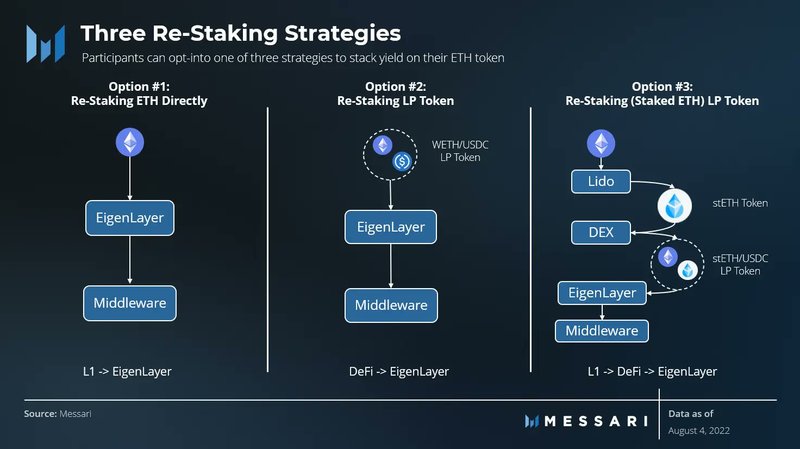
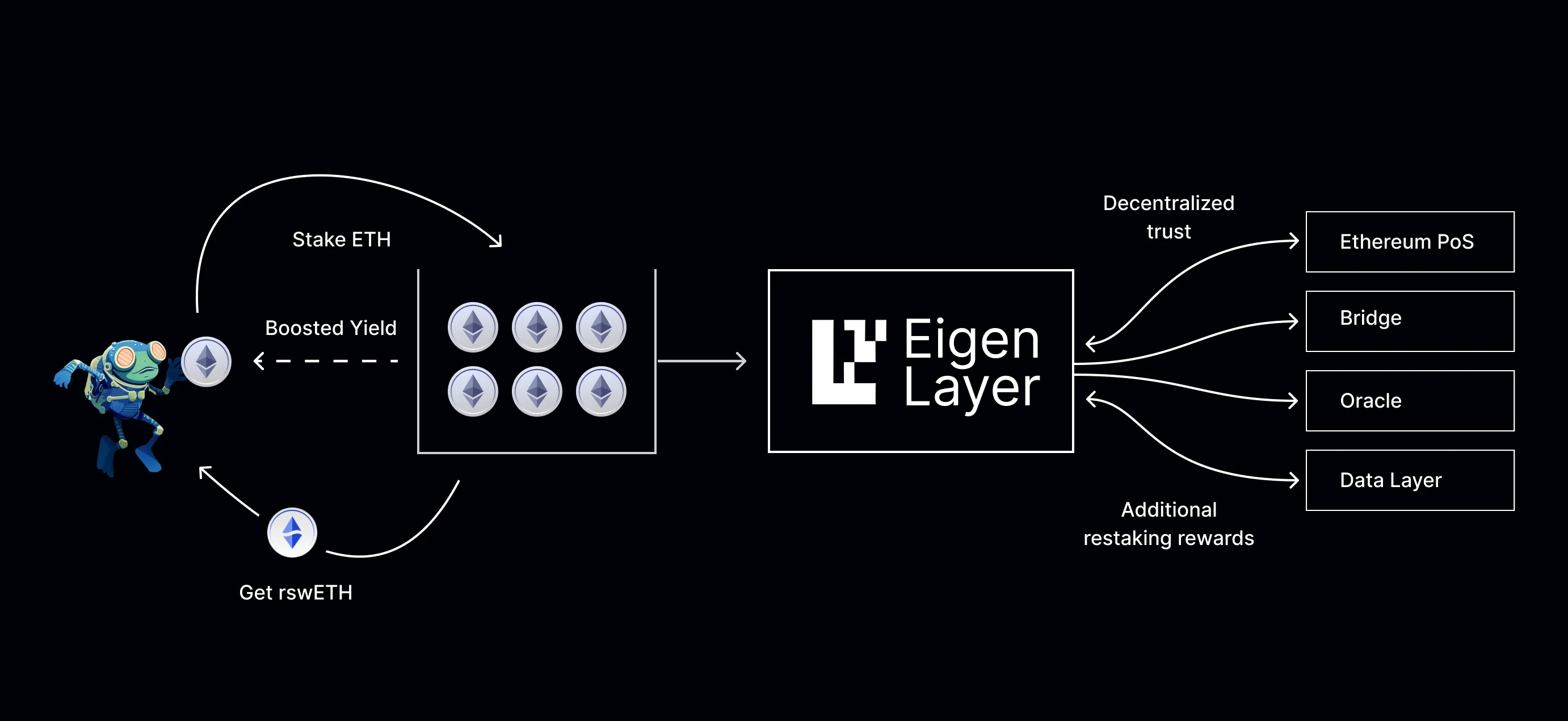

Avoiding Misleading Claims in Restaking
Restaking promises higher yields by reusing staked ETH to secure new services, but the risk profile is often obscured by marketing. Before allocating capital, you must distinguish between genuine security delegation and structural over-leverage. Many protocols advertise "risk-free" yield boosts, ignoring the slashing conditions that apply across all secured networks. If one Active Verifier Set (AVS) fails or gets slashed, your entire restaked position can suffer penalties simultaneously.
The primary keyword cluster here is "restaking risks." Investors frequently overlook that restaking amplifies both rewards and exposure. A protocol claiming 15% APY might be paying you from its own treasury rather than genuine economic activity. This is a red flag. Sustainable yields come from real demand for the AVS services, not token emissions. Always check if the rewards are backed by external revenue or just inflation.
When evaluating EigenLayer V2 and new AVS protocols, look for clear slashing thresholds and transparent governance. Weak options often lack clear exit mechanisms or have overly complex smart contracts that hide systemic risks. The comparison table below helps break down the tradeoffs. Do not assume that higher yield equals better security. Often, it means higher counterparty risk. Verify the audit history of each AVS and understand the specific slashing conditions before you commit.
| Feature | Strong AVS | Weak Option |
|---|---|---|
| Revenue Source | Real service demand | Token emissions |
| Slashing Clarity | Transparent thresholds | Hidden or complex |
| Exit Mechanism | Clear, time-bound | Illiquid or gated |
| Audit Status | Multiple, recent audits | None or outdated |
Restaking 2026: what to check next
Restaking allows you to reuse staked Ethereum to secure other networks, earning additional yield on top of base staking rewards. While protocols like EigenLayer V2 expand these options, the strategy introduces unique risks that differ from traditional holding.
No comments yet. Be the first to share your thoughts!