
Restaking in 2026: What Actually Changes
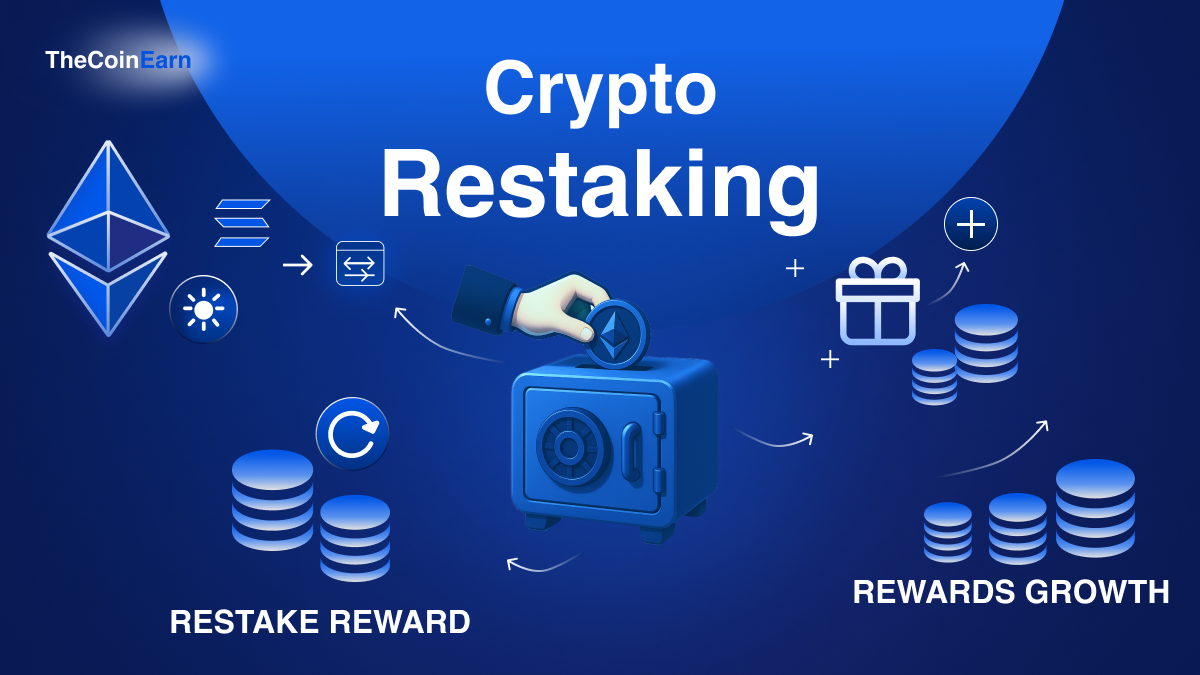
Restaking allows you to use already-staked Ethereum to secure other decentralized services, earning additional rewards on top of your base staking yield. The landscape shifts significantly in 2026 as EigenLayer V2 and the Pectra upgrades refine how this security is pooled and managed. These changes aim to reduce fragmentation and improve capital efficiency, making restaking a more viable component of a diversified crypto portfolio.
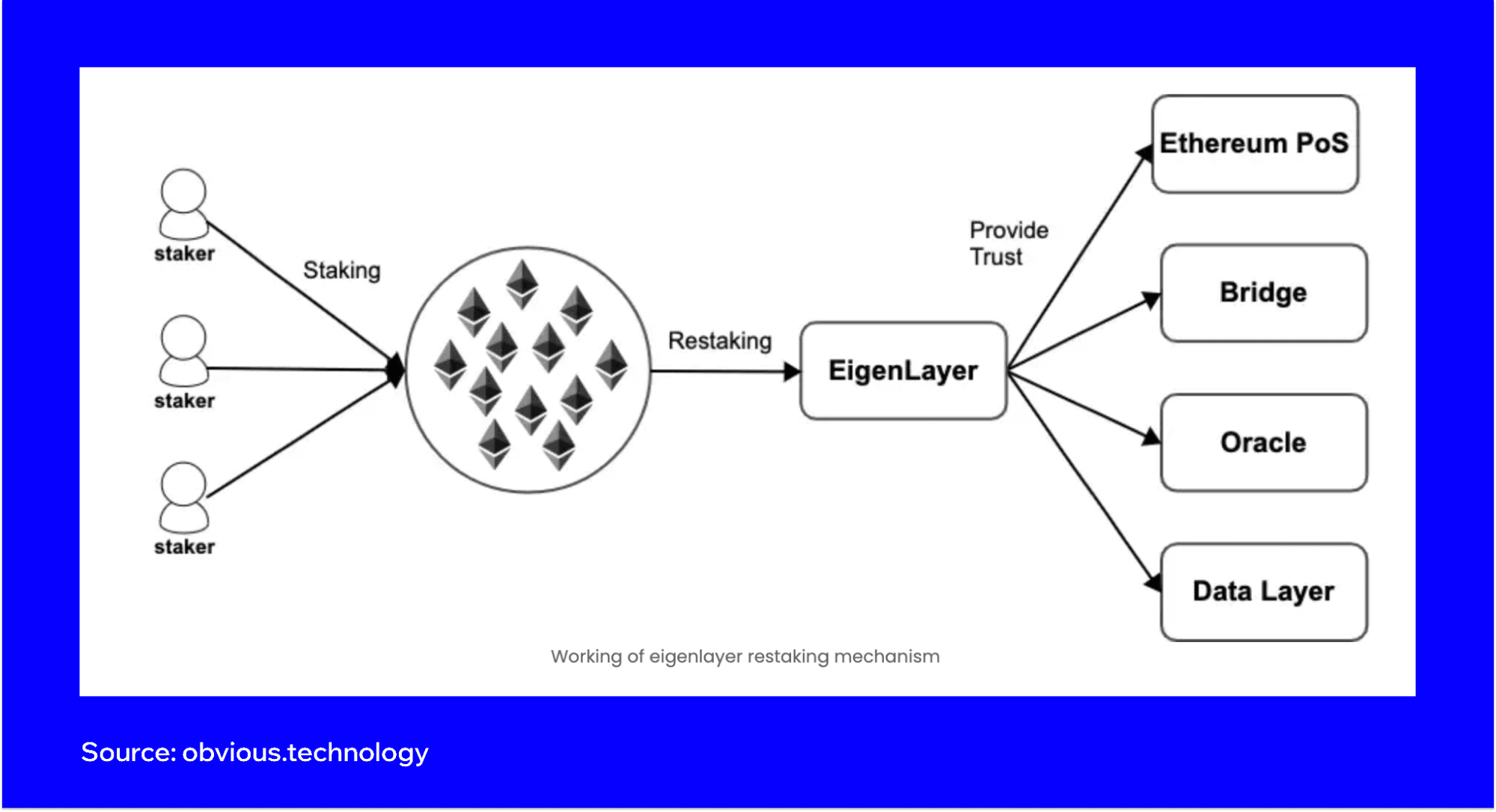
The core mechanic remains the same: you deposit ETH into a liquid staking token, which then delegates that stake to EigenLayer. From there, it can be reused by Actively Validated Services (AVSs) like oracle networks or decentralized compute providers. The difference in 2026 lies in the infrastructure. EigenLayer V2 introduces more sophisticated slashing conditions and better risk segmentation, while Pectra upgrades to Ethereum itself increase the maximum validator count and improve data availability, supporting the heavier load of restaked assets.
For passive investors, this means higher potential yields but also more complex risk profiles. Slashing events—where validators are penalized for malicious behavior—remain a threat. If an AVS you are secured by is slashed, your restaked ETH could be partially confiscated. The new protocols aim to make these risks more transparent, allowing you to choose AVSs based on their historical performance and risk parameters rather than just their yield offers.
TechnicalChart symbol="ETHUSD" chartStyle="candle" interval="1D" indicators="["volume"]"
Restaking 2026 choices that change the plan
Restaking is not a free lunch; it is a leveraged bet on Ethereum’s infrastructure. By reusing staked ETH to secure other protocols, you earn a "security premium" on top of base staking yields, but you also assume the risk of slashing penalties across multiple services. The decision to restake depends on whether you prioritize yield maximization or capital preservation.
The landscape has shifted with EigenLayer V2 and the Pectra upgrades, which have introduced more modular security markets. However, this complexity introduces new variables: liquid restaking token (LRT) performance, protocol-specific risk, and the potential for correlated slashing events. Understanding these tradeoffs is essential for managing your portfolio in 2026.
Comparison of Restaking Options
The following table compares the primary modes of participating in restaking, highlighting the differences in yield structure, risk exposure, and operational complexity. This comparison helps clarify which approach aligns with your risk tolerance and technical comfort level.
| Method | Yield Source | Risk Level | Complexity |
|---|---|---|---|
| Solo Staking + EigenLayer | Base ETH + Security Premium | High (Slashing on all services) | High (Manual management) |
| Liquid Restaking Token (LRT) | Staking + LRT incentives | Medium (Smart contract + Slashing) | Low (Passive) |
| Native Ethereum Staking | Base ETH only | Low (Standard slashing) | Medium (Node operation) |
Yield vs. risk: the core choices that change the plan
The primary tradeoff in restaking is the balance between yield and risk. Solo staking combined with direct EigenLayer delegation offers the highest potential yield because you capture the full security premium without intermediary fees. However, this comes with significant operational complexity and the highest risk of slashing if any of the delegated services misbehave.
Liquid Restaking Tokens (LRTs) like Ether.fi, Renzo, or Kelp offer a middle ground. They automate the delegation process and often provide additional incentives through token emissions, making them more accessible. However, you introduce smart contract risk from the LRT protocol itself, and the yield is typically lower due to fees and the need to sustain token incentives.
Decision Guide: Who Should Restake?
Your choice should depend on your technical expertise and risk appetite. If you are a sophisticated operator comfortable managing nodes and monitoring multiple services, solo staking with direct EigenLayer delegation may be appropriate. For most investors, LRTs provide a simpler way to participate in the restaking economy, albeit with lower yields and additional smart contract exposure.
Ultimately, restaking is a strategic decision that requires ongoing monitoring. The yields are not static; they fluctuate based on demand for security services and the performance of the underlying protocols. Ensure you understand the specific risks of each service you delegate to before committing your assets.
How to Choose Your Restaking Setup
EigenLayer V2 and the Pectra upgrade are changing how restaking works, but they don’t automatically make every strategy better. The right setup depends on your risk tolerance, technical comfort, and yield goals. Use this framework to pick the path that fits your situation.
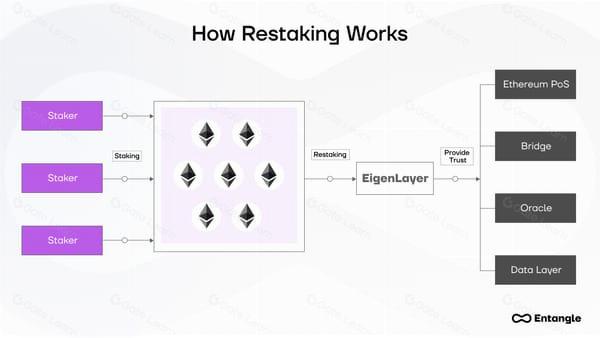
Liquid Restaking Tokens (LRTs) like Ether.fi or Renzo let you restake without managing infrastructure. You deposit ETH or stETH, receive a token, and earn yield from EigenLayer and other Actively Validated Services (AVSs). This is the lowest-friction entry point, ideal for holders who want passive exposure without running nodes or monitoring slashing conditions.
If you already run a validator node, EigenLayer V2 allows you to restake your existing ETH security directly. This eliminates LRT fees and gives you access to the full yield spectrum from AVS contracts. However, it requires technical expertise to manage keys, monitor performance, and handle potential slashing risks. This path suits sophisticated operators who prioritize yield maximization over convenience.
Not all AVSs are equal. Some offer high yields but have weak economic security or untested code. Before allocating restaked ETH, review the AVS’s slashing conditions, historical performance, and the reputation of its developers. Pectra’s improvements to Ethereum’s execution layer may reduce some systemic risks, but smart contract risk remains the primary threat. Diversify across multiple reputable AVSs to mitigate exposure.
Restaking transactions can be complex, especially during high network activity. Pectra’s EIP-7702 may introduce new gas dynamics for delegated signatures. Check current gas prices and estimate transaction costs before executing. High gas fees can erode your net yield, particularly for smaller positions. Consider timing your deposits during low-congestion periods to maximize returns.
Restaking involves ongoing monitoring. Set up alerts for slashing events, protocol upgrades, and changes in AVS parameters. EigenLayer V2 may introduce new governance mechanisms or risk parameters that affect your position. Proactive monitoring allows you to withdraw or rebalance before losses occur. This step is critical for long-term safety, not just initial setup.
| Strategy | Risk Level | Potential Yield | Technical Effort |
|---|---|---|---|
| LRT Platforms | Medium | Moderate | Low |
| Direct EigenLayer | High | High | High |
| Multi-AVS Diversified | Medium-High | Variable | Medium |
The best choice depends on your profile. If you value simplicity, stick with LRTs. If you’re technical and want maximum yield, go direct. Always prioritize security over yield, and never restake more than you can afford to lose.
Spotting misleading claims and weak options
Restaking promises passive yield, but the market is crowded with projects that overpromise security. With EigenLayer V2 and the Pectra upgrades reshaping the landscape, distinguishing between genuine infrastructure and marketing hype is essential. Many platforms advertise "risk-free" returns or claim their slashing protection is comprehensive, but these statements often ignore the complex economic realities of rehypothecated assets.
When evaluating options, look for transparent slashing conditions and clear liability structures. Weak options often obscure who bears the risk when a validator misbehaves. Strong protocols provide on-chain verification of their security assumptions and maintain sufficient buffer capital. Avoid projects that rely on vague "community governance" to manage risk without clear, auditable mechanisms.
The primary keyword cluster, restaking, should be the center of your analysis. Focus on protocols that have undergone rigorous third-party audits and have a track record of handling real-world slashing events. Be wary of new entrants promising yields significantly above the Ethereum base rate without a clear, sustainable revenue model. The difference between a robust option and a weak one often lies in the depth of their economic security and the clarity of their operational documentation.
No comments yet. Be the first to share your thoughts!