
What Restaking Layer 2 Actually Means
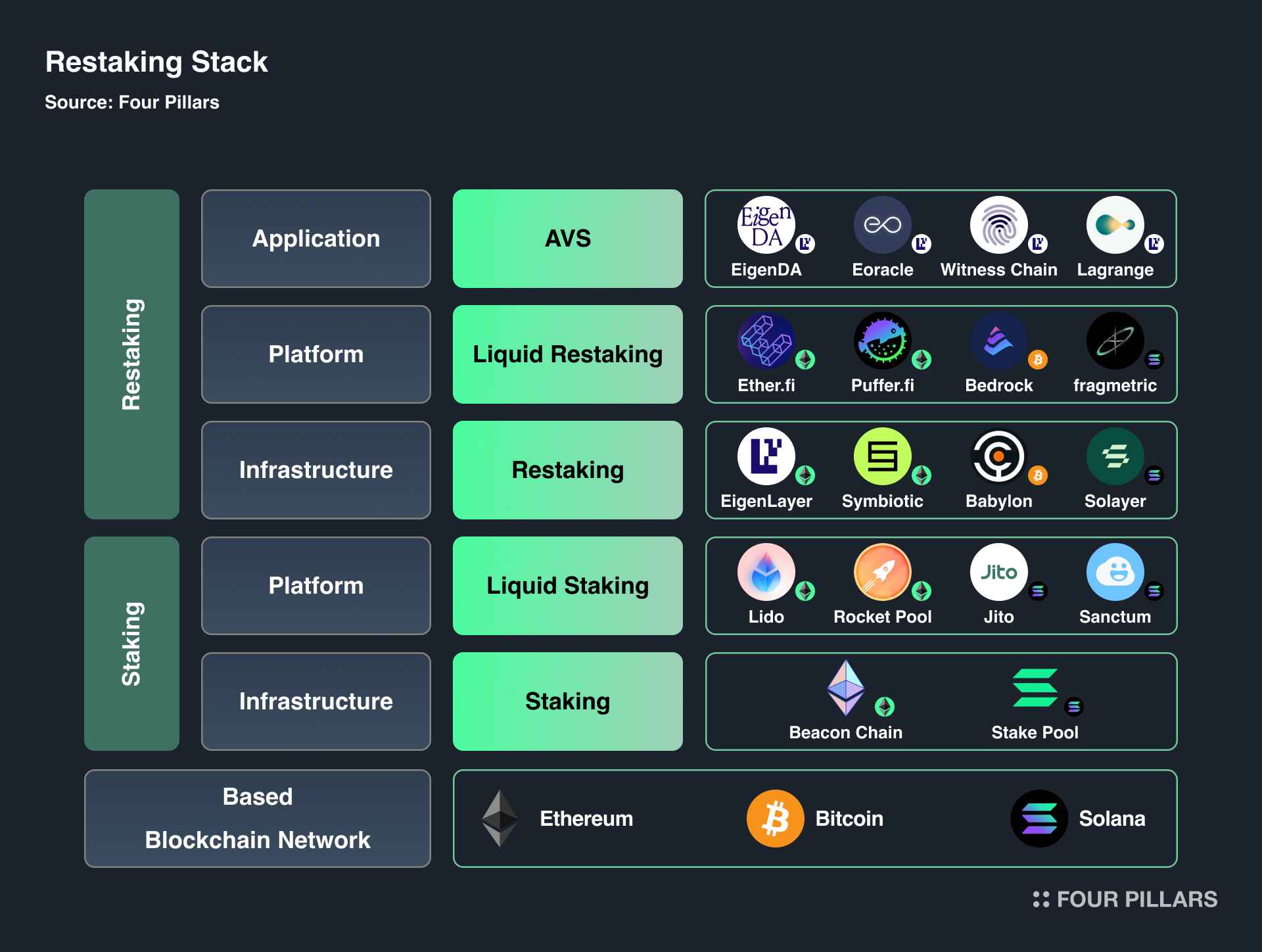
Restaking Layer 2 is the practice of using already-staked Ethereum to secure additional services, such as new Layer 2 networks or middleware, rather than relying solely on Ethereum's native consensus. In this model, stakers pledge their ETH to EigenLayer, which then acts as an intermediary, distributing that shared security to other protocols. This allows L2s to bootstrap trust without building their own independent validator sets from scratch.
This approach differs fundamentally from standard L2 security. Typically, an L2 might use its own set of sequencers or rely on a separate consensus mechanism. With restaking, the L2 inherits Ethereum's economic security. The staked ETH remains locked in the Ethereum protocol, but its "security credits" are delegated to the L2 via EigenLayer's smart contracts. If the L2 acts maliciously, the staked ETH is at risk of slashing, aligning the incentives of the staker with the honest operation of the L2.
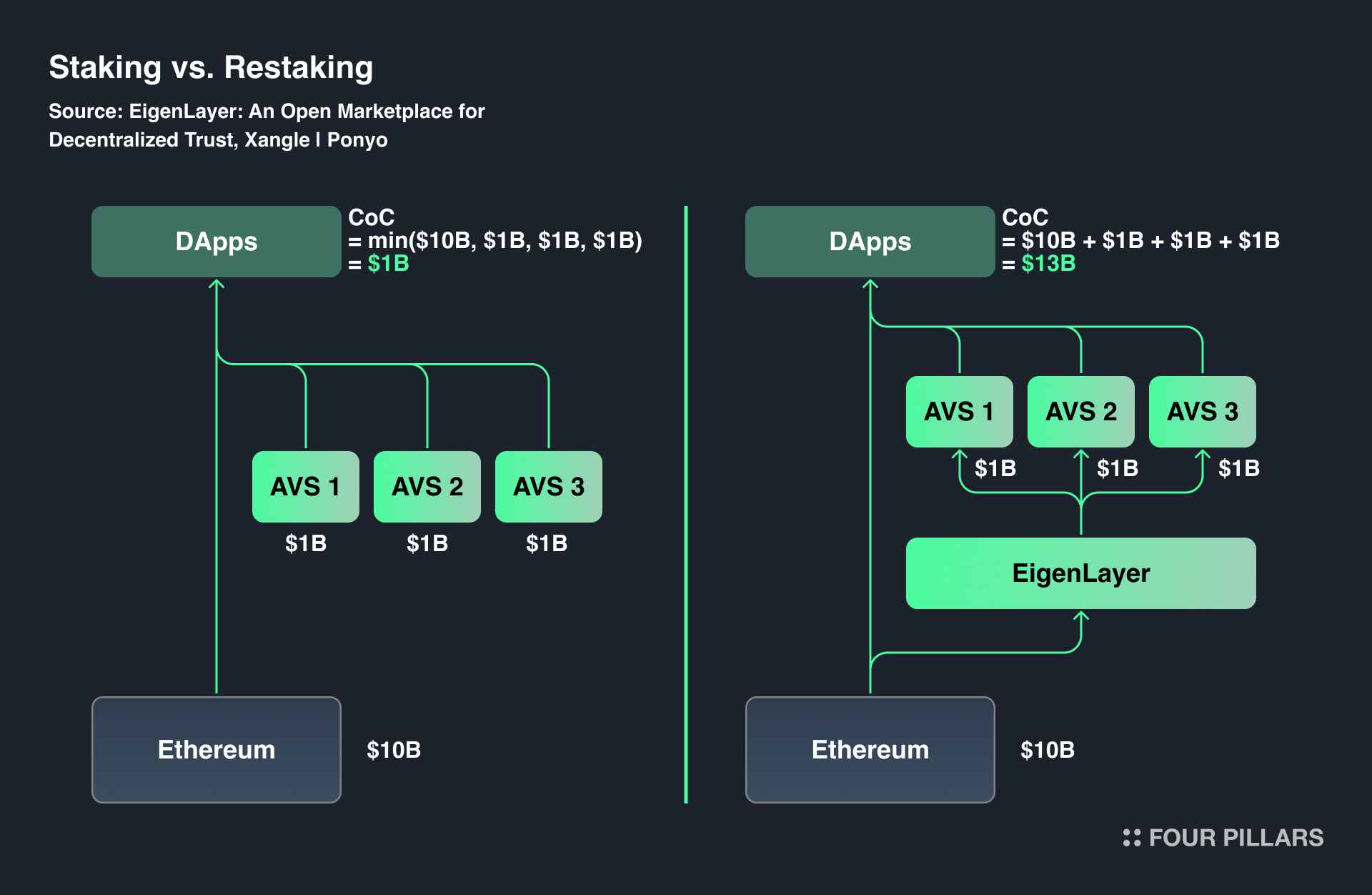
The primary benefit is efficiency. Instead of each new L2 needing to attract its own large pool of validators and security providers, they can tap into Ethereum's existing, deep liquidity. For the staker, this means earning additional yields on their ETH from the L2s they choose to secure, effectively monetizing their security contribution multiple times. However, this also introduces complexity, as stakers must carefully manage the risk of being slashed by the protocols they support.
By sharing security, restaking Layer 2s aim to solve the "security trilemma" where scaling often comes at the cost of decentralization or security. It allows Ethereum to scale its influence beyond its base layer, creating a more interconnected and efficient ecosystem where security is a shared resource rather than a siloed asset.
Comparing restaking layer 2 architectures
Restaking Layer 2 architectures diverge primarily in how they integrate security protocols and distribute yield. While the goal remains the same—leveraging Ethereum’s consensus for L2 security—the implementation details vary significantly between native integrations and protocol-level partnerships.
The two dominant models are protocol-native restaking, where the L2 is built specifically to host a restaking protocol, and L2-native restaking, where an existing L2 integrates a third-party restaking protocol like Renzo or EigenLayer. This distinction affects user experience, yield sourcing, and the underlying technical stack.
Swellchain: Protocol-Native Integration
Swellchain is a restaking-powered Layer 2 solution built on the OP Stack. It delivers modular scalability by embedding EigenLayer’s pooled security directly into its architecture. This approach makes Swellchain the "restaking yield layer of the Superchain," allowing users to restake ETH directly within the L2 environment.
Because the restaking mechanism is native to the chain, Swellchain offers a unified experience for users seeking to maximize yield while contributing to network security. The security model relies on EigenLayer’s restaking contracts, which are deeply integrated into the L2’s block production and validation processes.
Renzo-Integrated Chains: L2-Native Integration
Renzo Protocol enables native restaking on leading Layer 2 networks, beginning with Arbitrum and Base. This model allows existing L2s to add restaking capabilities without rebuilding their core infrastructure. Users can restake their assets on these L2s, and Renzo manages the distribution of yield and security delegation.
This approach offers flexibility, as multiple L2s can adopt the same restaking protocol. However, it introduces complexity in cross-chain yield distribution and requires careful coordination between the L2 and the restaking protocol. The security model is similar to EigenLayer’s but is mediated by Renzo’s smart contracts.
| Feature | Swellchain | Renzo-Integrated L2s |
|---|---|---|
| Architecture | Protocol-Native | L2-Native Integration |
| Underlying Stack | OP Stack | Varies (Arbitrum, Base) |
| Security Source | EigenLayer (Embedded) | EigenLayer (via Renzo) |
| Yield Distribution | Direct to L2 Users | Mediated by Renzo Protocol |
| Flexibility | Single Chain Focus | Multi-Chain Support |
Technical Differences and Security Models
The choice between protocol-native and L2-native restaking depends on the desired balance between simplicity and flexibility. Protocol-native solutions like Swellchain offer a streamlined experience but are limited to a single chain. L2-native solutions like Renzo provide broader reach but require more complex cross-chain interactions.
Security in both models ultimately relies on Ethereum’s consensus, but the delegation of responsibility differs. In protocol-native models, the L2 itself is responsible for managing restaking contracts. In L2-native models, a third-party protocol manages these contracts, adding an additional layer of abstraction.
How restaking yields are generated
Restaking creates a dual-income stream for validators by leveraging Ethereum's consensus security. When you stake ETH, you earn base rewards from the Ethereum protocol. By restaking that same ETH through EigenLayer, you provide security to Actively Validated Services (AVS) such as oracles, bridging protocols, or decentralized compute networks. These services pay additional fees to access that shared security, which are distributed back to the restakers.
This mechanism effectively turns a single asset into a multi-purpose security layer. Instead of your ETH only securing the Ethereum mainnet, it simultaneously backs the infrastructure of other protocols. The yield you receive is the sum of the base Ethereum staking reward plus the variable fees generated by the AVS contracts. This structure allows validators to capture value from the broader decentralized ecosystem without deploying additional capital.
The total return is not fixed. It depends on the demand for specific AVS services. As more protocols choose to restake rather than build independent validator sets, the fee market for shared security expands. However, this also introduces complexity, as yields can fluctuate based on the performance and adoption of the underlying services.
The risks of pooled security
Restaking amplifies yield but introduces concentrated failure points. When you restake ETH to secure EigenLayer and other services, you are not just backing one protocol; you are pooling your stake across multiple systems. This creates a complex web of dependencies where a failure in one layer can cascade into others.
Slashing and smart contract exposure
The most immediate danger is slashing. If the validator node you delegated to misbehaves or goes offline while securing an Actively Validated Service (AVS), your staked ETH can be partially or fully confiscated. Unlike traditional staking, where slashing is rare and isolated, restaking increases the attack surface. You are now exposed to the smart contract risks of every service you support. A bug in a single AVS contract can trigger penalties that ripple back to your original stake.
Critics have long warned about these systemic dangers. Industry observers have described restaking as a "ticking time bomb," pointing out that the interconnected nature of pooled security means a widespread exploit could destabilize the entire Ethereum ecosystem, not just a single project. The efficiency gains come with a steep price: you must trust the code and operators of every service in the restaking stack.
The systemic threat
The "ticking time bomb" analogy highlights a deeper concern: systemic risk. Because restaking pools security, a major exploit in a popular AVS could drain liquidity or trigger mass slashing events. This concentration of risk means that the health of EigenLayer is now tightly coupled with the health of the broader Ethereum L2 ecosystem. A failure in one area is no longer contained; it becomes a market-wide event.
Choosing a restaking layer 2 strategy
Selecting a restaking layer 2 strategy requires balancing yield potential against the complexity of smart contract risk. You are not just choosing a network; you are choosing how much security you are willing to delegate to additional protocols. The goal is to align your deposit with a risk profile that matches your long-term hold period.
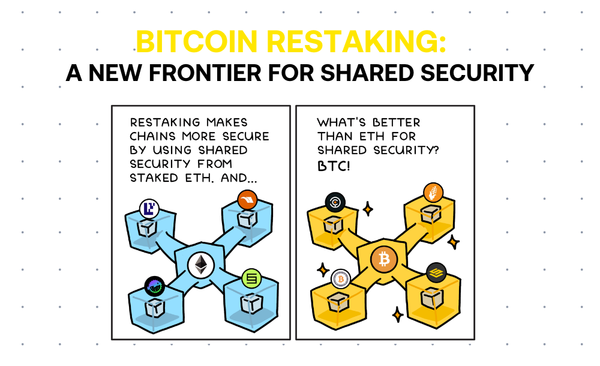
Start by assessing how much volatility you can withstand. Restaking amplifies both rewards and potential slashing events. If you prefer stability, stick to established Ethereum L2s with mature restaking frameworks. If you seek higher yields, consider newer protocols but understand the added smart contract exposure.
Not all restaking protocols offer the same level of security. Look for those that leverage EigenLayer's restaking infrastructure, as it provides a shared security layer across multiple services. Verify that the L2 you are interacting with has a clear path to securing its own sequencer and bridge, reducing the attack surface for your deposited assets.
High APYs often come from volatile incentive tokens rather than sustainable fee revenue. Distinguish between base yield from network fees and boosted yield from restaking incentives. Prioritize protocols where the majority of yield comes from real economic activity, as incentive-driven yields often drop once early adopter rewards expire.
Restaked assets can sometimes be locked or illiquid. Ensure you understand the withdrawal periods for both the L2 and the restaking layer. If you need access to your funds during a market downturn, choose a strategy that allows for relatively quick unbonding, even if it means accepting a slightly lower yield.
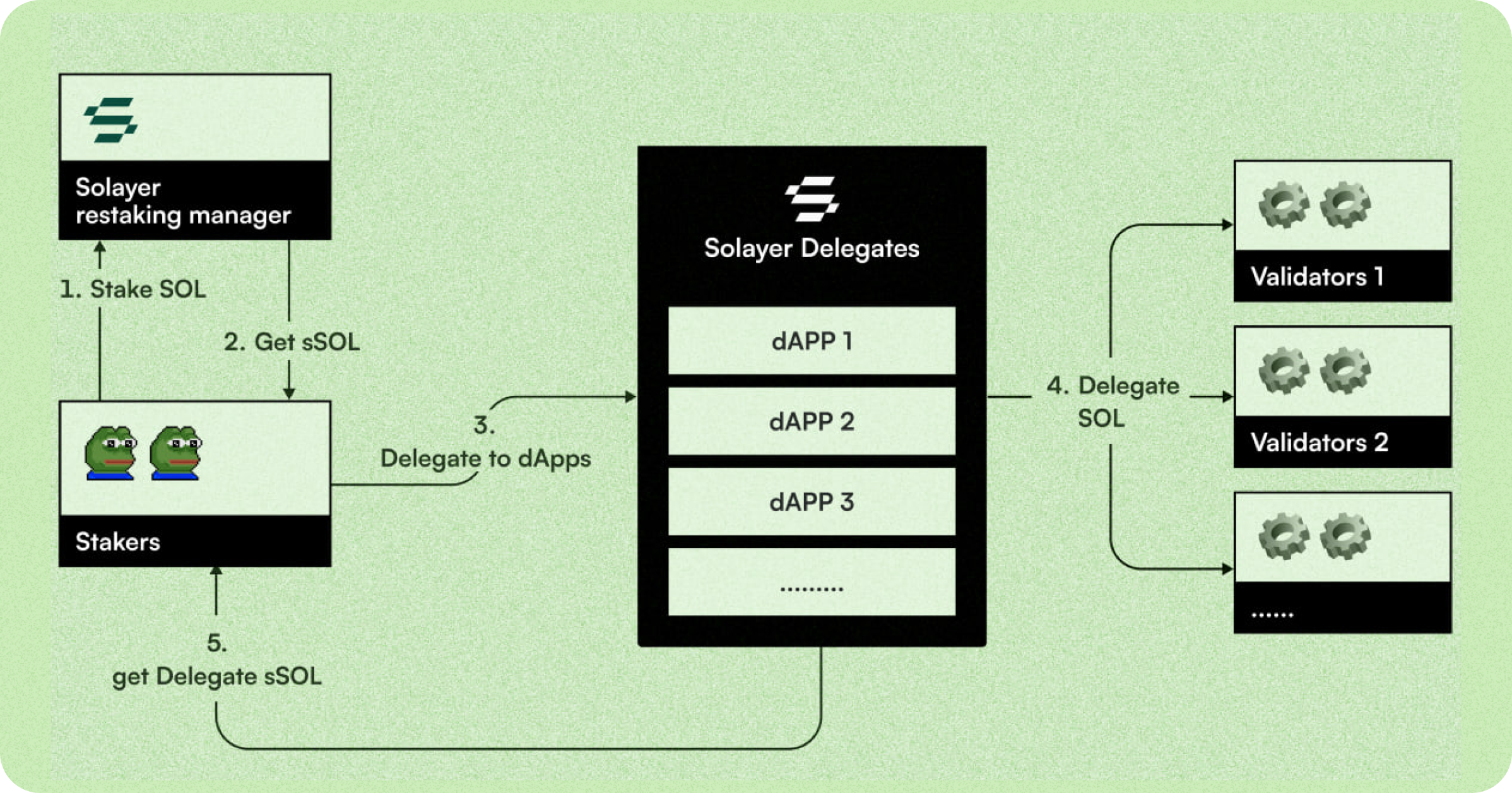
Avoid putting all your staked ETH into a single restaking pool. Spreading your stake across different L2s and restaking services mitigates the risk of a single point of failure. This approach ensures that a vulnerability in one protocol does not compromise your entire restaking position.
Common questions about restaking layer 2
Restaking is the process of taking an asset that is already staked on a blockchain (like Ethereum) and pledging it to secure additional services. In return, restakers can get additional rewards from those other services. This creates a pooled security model where Ethereum's consensus power extends to new protocols without requiring separate, independent validator sets for each.
What is Layer 2 in cryptocurrency?
Layer 2 refers to scaling solutions built on top of an existing blockchain (Layer 1) to increase transaction speed and lower costs. While Layer 1 (like Ethereum) handles security and settlement, Layer 2 protocols process transactions off-chain and periodically commit results to the main chain. Restaking Layer 2 combines this scaling with EigenLayer's pooled security, allowing L2s to borrow Ethereum's consensus power rather than building their own validator sets from scratch.
Is XRP a Layer 1 or Layer 2?
XRP is a Layer 1 blockchain. It operates its own independent network with its own consensus mechanism (the XRP Ledger) and native asset (XRP). It is not built on top of Ethereum or another primary chain, so it does not fall under the Layer 2 category. Layer 2 solutions, by definition, rely on the security and settlement of a base Layer 1 network.
Which Layer 2 crypto is best?
The "best" Layer 2 depends on your specific needs, as each offers different trade-offs in speed, cost, and security model. Leading options include:
| Protocol | Type | Security Model |
|---|---|---|
| Arbitrum | Optimistic Rollup | Ethereum + Community |
| Optimism | Optimistic Rollup | Ethereum + OP Stack |
| zkSync | ZK Rollup | Ethereum + Zero-Knowledge Proofs |
| Data Availability | EigenLayer Restaking |
Arbitrum and Optimism are the most established by total value locked, while zkSync offers strong cryptographic security guarantees. Newer entrants like EigenDA use restaking to provide data availability, directly linking back to the restaking theme.
What is Layer 1, Layer 2, and layer 3 blockchain?
- Layer 1: The base blockchain (e.g., Ethereum, Bitcoin) that handles consensus and security.
- Layer 2: Scaling solutions built on Layer 1 to improve throughput (e.g., Arbitrum, Optimism).
- Layer 3: Specialized applications or chains built on top of Layer 2s, often for specific use cases like gaming or private transactions. They inherit security from Layer 2, which in turn inherits it from Layer 1.
This hierarchy allows for modular blockchain design, where each layer specializes in a specific function—security, scaling, or application logic.
No comments yet. Be the first to share your thoughts!