
What is a restaking layer?
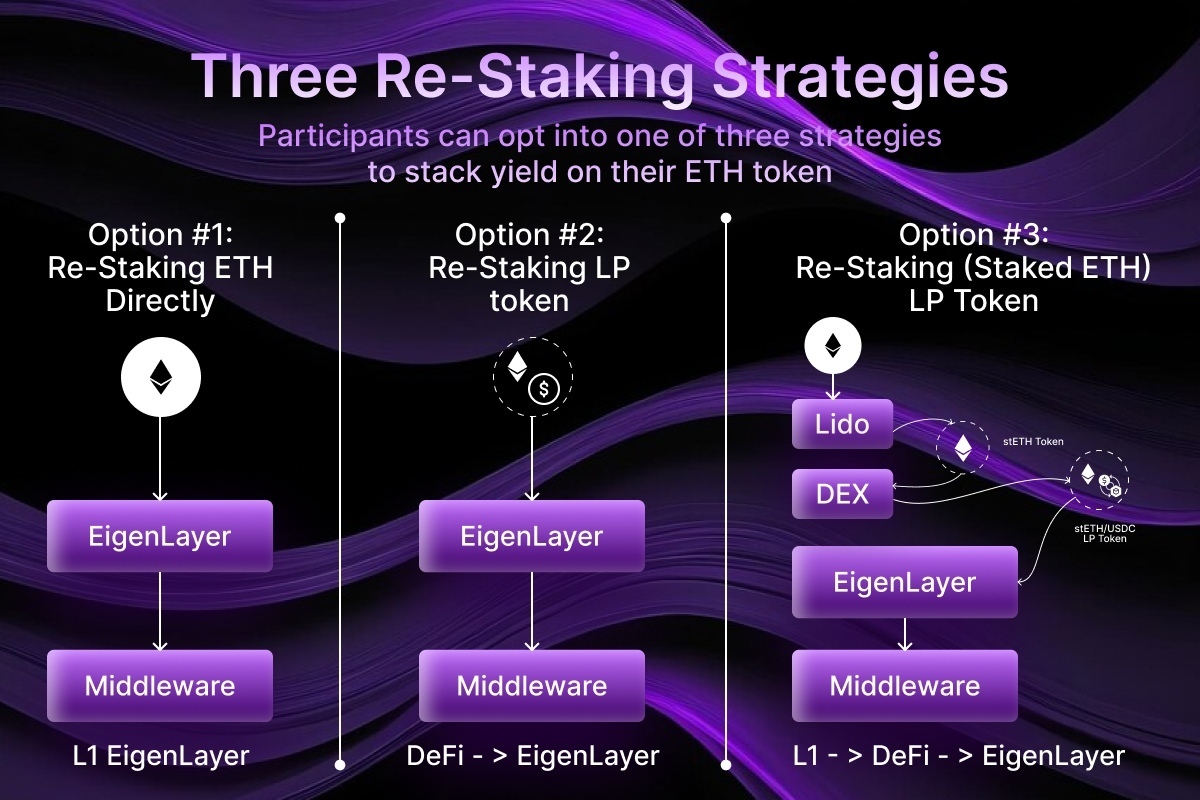
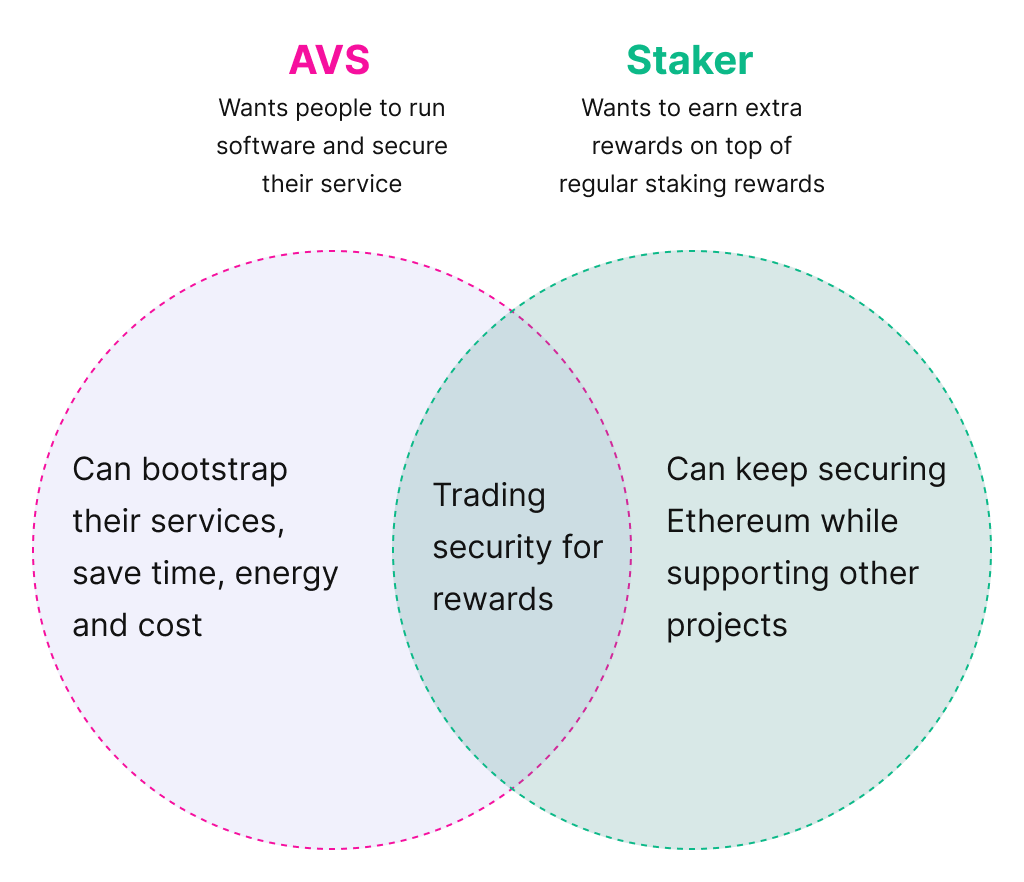
A restaking layer is an intermediary protocol that allows you to use already-staked ETH to secure additional decentralized services. Instead of locking capital for a single purpose, you extend your security to new networks, earning extra rewards in return. This creates a shared security model where the same stake protects multiple systems.
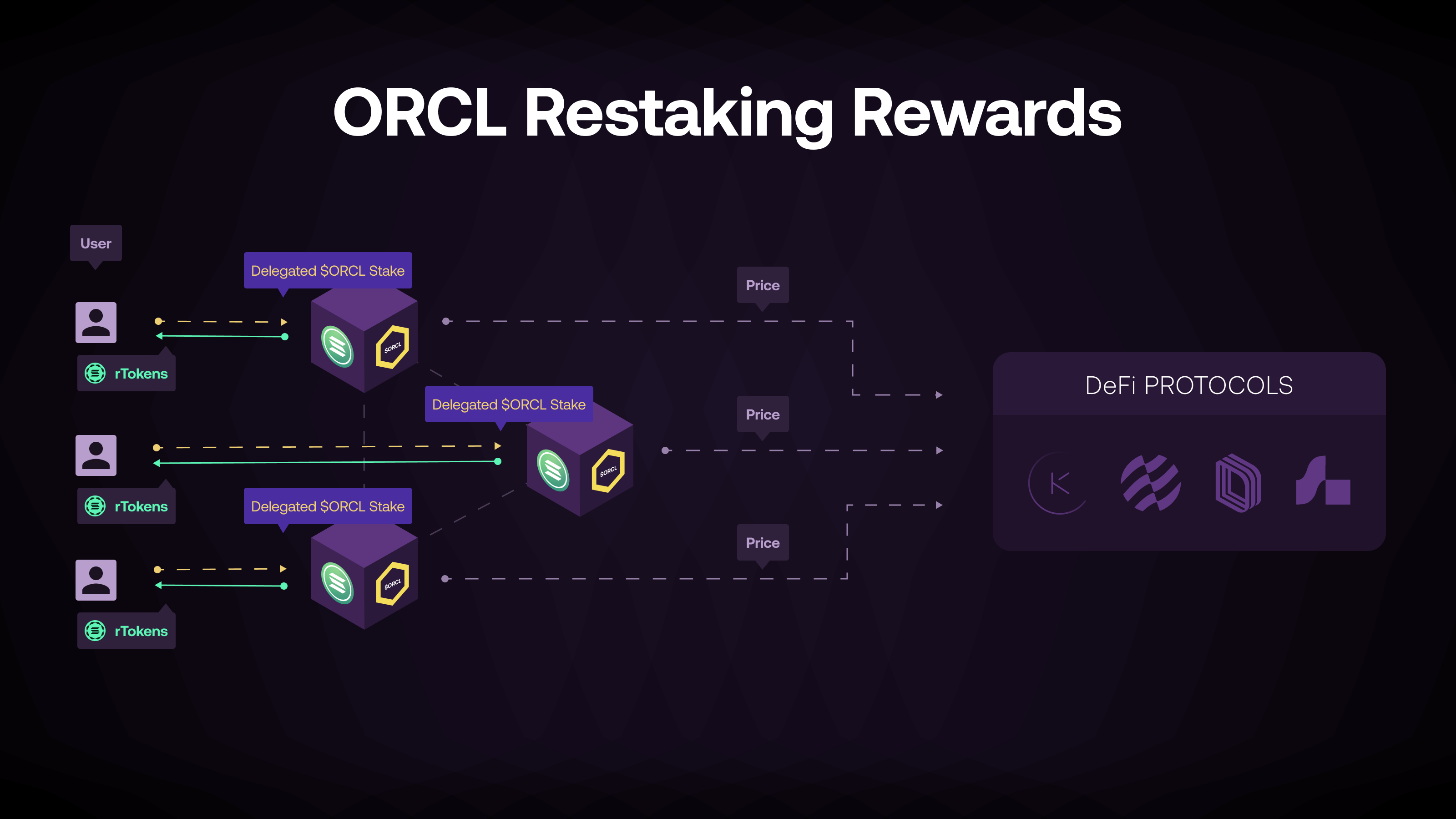
Think of it as a security marketplace. You provide the underlying protection (ETH), and various applications—like oracles, bridges, or other rollups—rent that protection. This efficiency reduces the need for each new project to build its own validator set from scratch.
While the concept is straightforward, the implementation varies. EigenLayer acts as the primary restaking layer on Ethereum, allowing users to restake ETH or liquid staking tokens (LRTs). Other projects like Restaking Layer offer similar functionality with different governance or reward structures. The core mechanism remains the same: leveraging existing stake for broader network security.
Restaking layer choices that change the plan
Choosing a restaking layer isn't just about chasing the highest yield. It is a risk management decision that balances security, capital efficiency, and operational complexity. While EigenLayer V2 and Restaking Layers (LRTs) offer similar foundational mechanics, they diverge significantly in how they handle slashing risks, liquidity, and validator overhead.
Understanding these tradeoffs helps you align your strategy with your tolerance for technical friction and potential loss. The following comparison breaks down the concrete factors that distinguish these approaches.
| Feature | EigenLayer V2 | Restaking Layer (LRT) |
|---|---|---|
| Slashing Risk | Direct exposure to AVS misbehavior | Pooled or mitigated via diversification |
| Capital Efficiency | High (single-layer restaking) | Moderate (double-staking fees/risks) |
| Liquidity | Locked until withdrawal queue | Tokenized (e.g., rETH, ezETH) |
| Technical Complexity | High (solo validator setup) | Low (automated via protocols) |
| Yield Composition | ETH staking + AVS fees | Base yield + restaking premiums - fees |
Capital Efficiency vs. Liquidity
EigenLayer V2 prioritizes capital efficiency by allowing direct restaking of staked ETH. This means you earn rewards from both the base Ethereum staking rate and additional Actively Validated Services (AVS). However, this efficiency comes with a liquidity tradeoff. Your assets are often locked in withdrawal queues, making them inaccessible during market volatility.
In contrast, LRTs offer tokenized liquidity. By depositing into an LRT protocol, you receive a liquid token that represents your restaked position. This allows you to use your position as collateral in other DeFi protocols or sell it instantly if needed. The cost is double-staking: you pay fees to the LRT protocol on top of the base staking yield, which can erode overall returns over time.
Slashing and Security Models
Slashing is the most critical risk in restaking. If a protocol you are securing misbehaves, your stake can be penalized. EigenLayer V2 places this risk directly on the restaker. If you run your own validator and opt into an AVS that gets slashed, you lose a portion of your ETH. This requires deep technical knowledge to monitor and manage.
LRTs mitigate this through pooling. By aggregating stakes across many validators and AVSs, the impact of a single slashing event is diluted. Some LRTs also use insurance funds or hedging strategies to cover potential losses. This makes LRTs more accessible to non-technical users who want exposure to restaking yields without managing the operational risk of validator infrastructure.
Which Approach Fits Your Strategy?
If you are a technical validator seeking maximum yield and have the infrastructure to manage slashing risks, EigenLayer V2 offers the most direct path. You control your keys and your AVS selections, keeping more of the reward. However, you must be prepared for the operational burden and potential for significant loss.
For most investors, LRTs provide a safer, more flexible entry point. The tokenized nature of LRTs allows for easier portfolio management and risk diversification. While yields may be slightly lower due to fees, the tradeoff in liquidity and reduced operational complexity is often worth it for those who prioritize capital flexibility over maximum theoretical returns.
Choose the next step
Restaking 2.0 works best as a clear sequence: define the constraint, compare the realistic options, test the tradeoff, and choose the path with the fewest hidden costs. That order keeps the advice usable instead of decorative. After each step, pause long enough to check whether the recommendation still fits the reader's actual situation. If it depends on perfect timing, unusual access, or a best-case budget, include a simpler fallback.
Watch Out for Weak Restaking Options
Restaking promises extra yield, but not every option delivers real security. Many projects market high APYs while offering thin slasher protection or relying on single-point-of-failure oracles. Before committing capital, verify the underlying security assumptions and the track record of the operators.
Common Mistakes to Avoid
Liquidity risk is the most overlooked danger. Liquid Restaking Tokens (LRTs) can trade at significant discounts during market stress, trapping your capital. Additionally, smart contract complexity increases attack surfaces. A bug in a restaking middleware layer can compromise the entire vault, not just a single protocol.
Evaluating the Landscape
Focus on protocols with audited code and transparent slashing conditions. Compare the actual economic security bonded versus the marketed yield. If a platform cannot clearly explain how it handles operator misbehavior, it is likely a weak option. Stick to established networks with proven resilience.
Restaking layer: what to check next
Restaking lets you use already-staked ETH to secure additional networks, earning extra rewards without locking up more capital. It’s not a separate product but a protocol layer that reuses existing staked assets.
What is the Restaking Layer?
The Restaking Layer is infrastructure that allows staked ETH to act as security for multiple protocols simultaneously. Instead of just securing Ethereum, your stake backs oracles, bridges, or other decentralized services.
How does EigenLayer V2 change this?
EigenLayer V2 introduces a more decentralized and permissionless model. It reduces reliance on a single operator set, making the security shared across the ecosystem more resilient and less centralized than V1.
Is restaking safe?
Restaking carries unique risks, including slashing if the operator misbehaves. While it offers higher yields, the complexity of smart contracts and the shared security model mean you must trust the underlying protocol’s audit history and operator reliability.
No comments yet. Be the first to share your thoughts!