
How restaking 2026 changes security models
Restaking has shifted from a niche yield strategy to the backbone of decentralized infrastructure. In the 2026 landscape, security is no longer a single-chain function. Stakers use their already-staked ETH to secure other decentralized services, effectively pooling their economic security across multiple protocols. This shift transforms capital from a static barrier into a reusable asset that underpins the broader ecosystem.
The mechanism relies on EigenLayer, which introduces Actively Validated Services (AVS). These are specialized protocols that tap into Ethereum’s shared security without deploying their own validator sets. By doing so, AVS can achieve robust protection against attacks while maintaining the flexibility needed for AI computation or DePIN data verification. This modular approach allows new services to launch with institutional-grade security from day one.
The tradeoff is clear: higher yields come with concentrated risk. If an AVS behaves maliciously or suffers a critical failure, the restaked ETH is slashed. This creates a high-stakes environment where capital allocators must carefully vet the protocols they support. The model works best when the underlying service has a clear, verifiable utility that justifies the additional exposure.
This integration of security and yield defines the current market. As AVS adoption grows, the demand for restaked ETH increases, directly influencing staking yields and ETH price performance. The trend signals a move toward a more interconnected and efficient blockchain economy.
EigenLayer AVS for AI and DePIN infrastructure
Actively Validated Services (AVS) on EigenLayer extend Ethereum’s security model beyond simple settlement, allowing specialized infrastructure networks to tap into the same staked capital. Instead of launching a new blockchain with its own validator set, an AI inference engine or a DePIN hardware network can operate as an AVS, securing its operations with the distributed power of Ethereum stakers.
This architecture solves a critical bottleneck: the high cost of building independent security layers. For AI inference verification, where computational proofs must be checked rapidly and cheaply, AVSs allow nodes to stake ETH to guarantee the integrity of model outputs. Similarly, DePIN projects validating physical hardware performance can rely on this shared security, reducing the friction of onboarding validators who would otherwise need to manage complex, isolated node infrastructure.
The economic incentive is direct. By restaking, validators earn yield from the AVS protocol while simultaneously earning their base staking rewards from Ethereum. This dual-yield structure attracts more security providers, creating a deeper pool of stake that makes the AVS more resistant to attacks. As the ecosystem matures, we expect to see more specialized AVSs emerge, each tailored to the unique latency and verification requirements of AI and physical infrastructure networks.
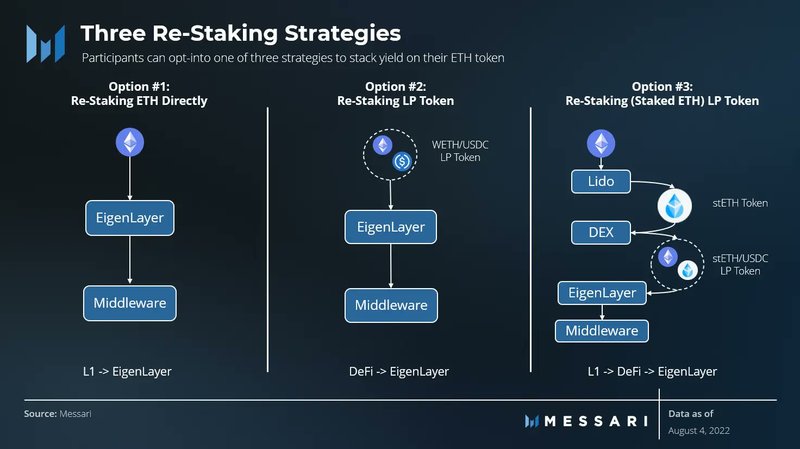
The shift toward modular security means that the future of decentralized AI and DePIN will not be built on isolated chains, but on shared security layers. This approach allows these high-stakes applications to launch faster, scale more efficiently, and maintain the same level of trustlessness that defines Ethereum’s core value proposition.
Top liquid restaking tokens compared
Use this section to make the Restaking decision easier to compare in real life, not just on paper. Start with the reader's actual constraint, then separate must-have requirements from details that are merely nice to have. A practical choice should survive normal use, maintenance, timing, and budget. If a recommendation only works in an ideal situation, call that out plainly and give the reader a fallback path.
| Factor | What to check | Why it matters |
|---|---|---|
| Fit | Match the option to the primary use case. | A good deal still fails if it does not fit the job. |
| Condition | Verify age, wear, and service history. | Hidden condition issues erase upfront savings. |
| Cost | Compare purchase price with likely upkeep. | The cheapest option is not always the lowest-cost option. |
Where the yield comes from
Restaking splits your return into two distinct buckets. The first is base yield, which comes directly from Ethereum’s consensus layer. As of early 2026, solo staking or liquid staking yields hover around 2.8–3.2% [1]. This is your floor—the guaranteed payout for securing the main network.
The second bucket is the security premium. This is the extra yield generated by delegating your staked ETH to Active Validation Services (AVS). AVS are additional protocols, such as AI compute networks or DePIN infrastructure, that rent security rather than building their own validator sets [2]. You earn this premium because you are providing specialized validation work beyond what Ethereum requires.
Slashing risk and choices that change the plan
Higher yield always comes with higher risk. In restaking, that risk is slashing. If you delegate to a malicious or buggy AVS, your entire staked ETH balance can be penalized or burned. This is not just a loss of the premium; it is a loss of your principal.
This creates a direct tradeoff. A protocol offering 15% APY on AVS work likely carries significantly higher slashing risk than one offering 5%. Because AVS code is often newer and less battle-tested than Ethereum’s core protocol, the probability of a catastrophic error is non-zero. You must weigh the potential for higher returns against the possibility of losing your stake entirely.
The market prices this risk in. When AVS demand is high, premiums rise. When security incidents occur, premiums drop as validators flee to safer, lower-yield options. Understanding this volatility is essential for managing a restaking portfolio.
Choosing a restaking strategy for 2026
Selecting the right restaking path requires matching your technical comfort and risk tolerance to the available yield engines. As the ecosystem matures, the choice is no longer binary but depends on how much operational overhead you are willing to manage versus the yield premium you seek.
Solo staking: Maximum control, maximum effort
Solo staking involves running your own validator node and directly allocating stake to specific Active Validator Services (AVS). This approach offers the highest potential yield because you capture the full reward without intermediaries, but it demands significant technical expertise and constant monitoring.
This strategy suits operators who want to verify every transaction and manage slashing risk directly. It is less about passive income and more about active infrastructure management, requiring dedicated server resources and security audits.
Liquid restaking: Yield without the ops
Liquid restaking tokens (LRTs) allow you to stake ETH while receiving a liquid token that represents your position. Protocols like EigenLayer and Jito handle the node operations and AVS allocation, distributing rewards automatically to your wallet.
This is the most accessible entry point for most users. You gain exposure to multiple AVS yields while retaining the ability to trade or use your LRT in other DeFi protocols. The trade-off is a small fee paid to the LRT provider and reliance on their smart contract security.
AVS-specific participation
Some protocols offer direct participation in specific AVSs, such as decentralized compute networks or data availability layers. These opportunities often require locking assets for specific durations or meeting technical criteria unique to that service.
This path is best for users who have a strong conviction in a single use case, such as AI inference or DePIN hardware verification. It offers targeted yield but lacks the diversification benefits of broader liquid restaking pools.
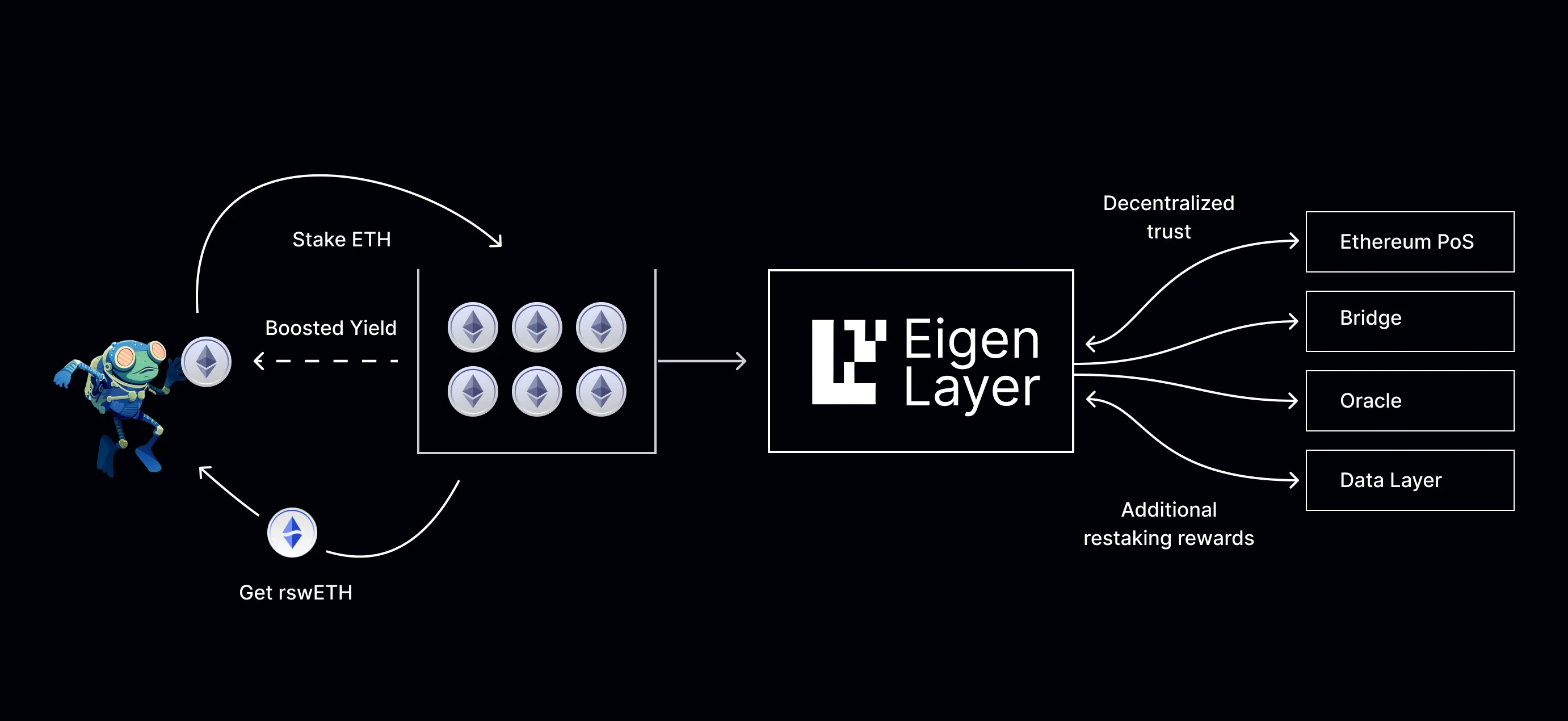
Determine how much slashing risk you can absorb. Solo staking exposes you directly to protocol failures, while LRTs spread risk across multiple operators and smart contracts.
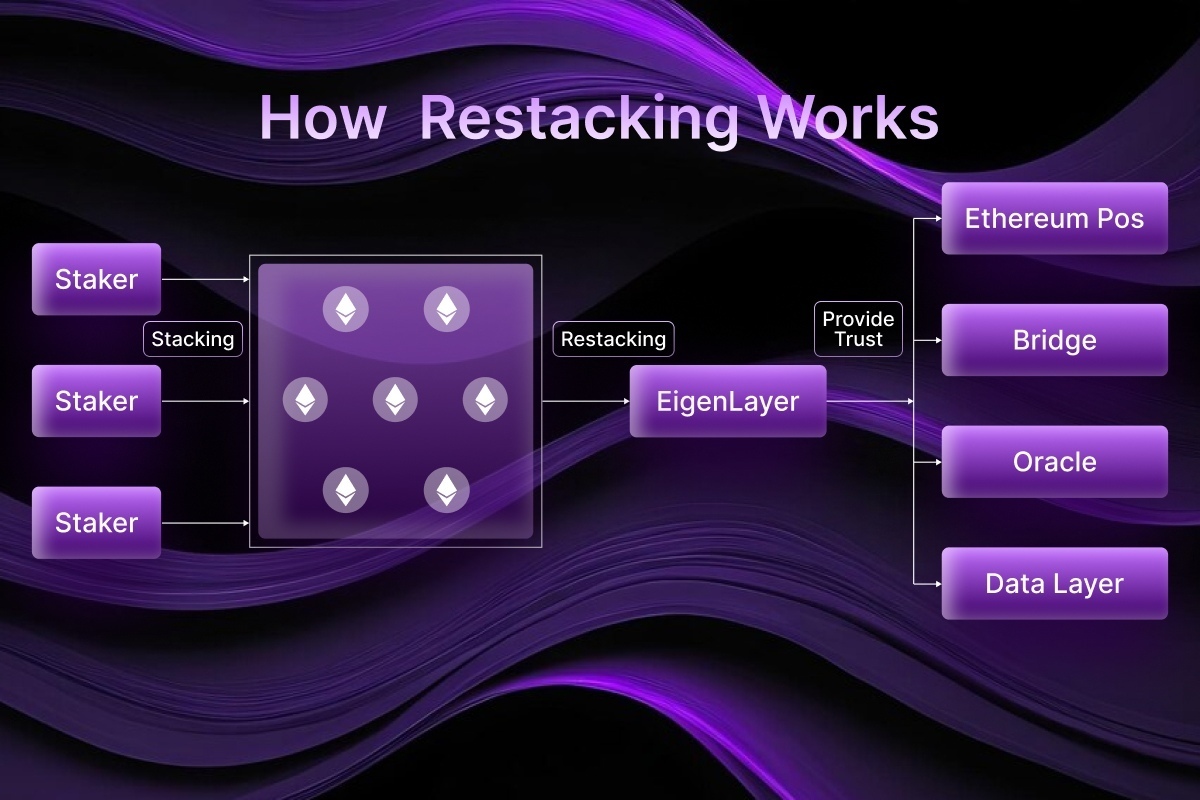
Look beyond APY. High yields often come from high-risk AVSs or unsustainable token emissions. Check if the yield is generated from real economic activity or inflationary rewards.
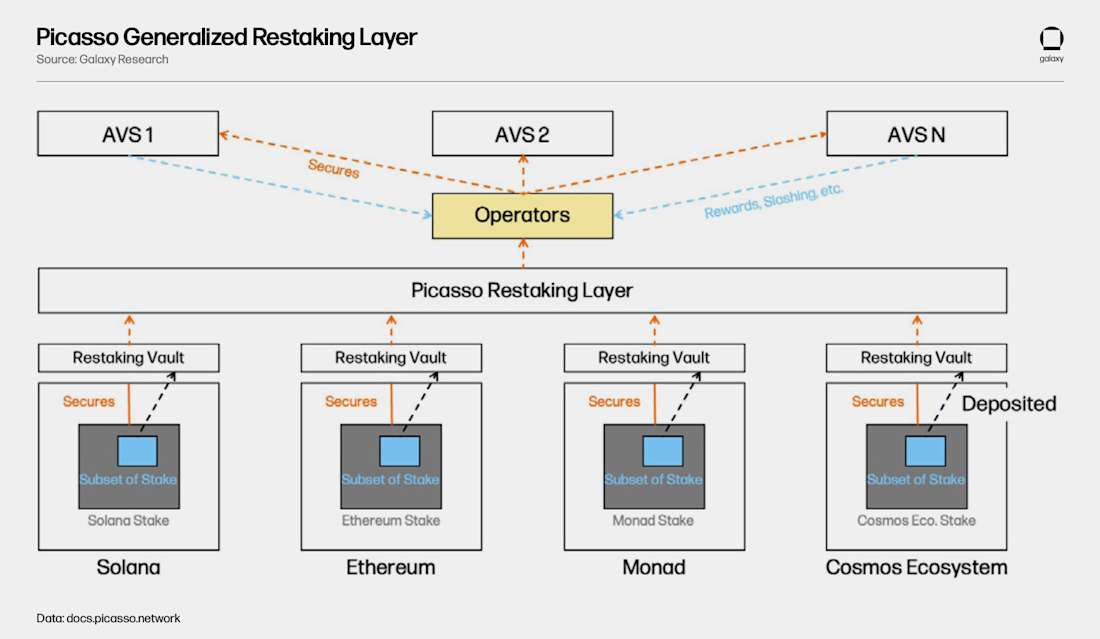
Decide if you can manage node infrastructure. Solo staking requires technical skills for setup and maintenance. Liquid restaking requires only a wallet and basic DeFi knowledge.

Avoid putting all assets into a single AVS. Use LRTs to gain broad exposure or split your stake between solo staking and liquid positions to balance control and convenience.
| Strategy | Control | Yield Potential | Complexity |
|---|---|---|---|
| Solo Staking | High | High | High |
| Liquid Restaking | Low | Medium | Low |
| AVS-Specific | Medium | Variable | Medium |
No comments yet. Be the first to share your thoughts!