

Ethereum’s Layer 2 (L2) ecosystem is in the midst of a dramatic evolution. As transaction volumes surge and new applications push the boundaries of what’s possible, the need for scalable, secure, and cost-effective data availability has never been more acute. This is where Celestia Blobstream enters the spotlight, offering a fresh approach that rewires the economics and trust assumptions of modular blockchain scaling.
The Data Availability Bottleneck for Ethereum L2s
L2 solutions like Arbitrum and Optimism have proven that off-chain computation can accelerate throughput and reduce fees. But they still face a fundamental hurdle: making sure that all transaction data remains available so anyone can reconstruct the L2 state or challenge fraud. Traditionally, there have been two main approaches:
- Calldata Posting: L2s post their transaction data directly to Ethereum as calldata. This method is highly secure but eye-wateringly expensive due to Ethereum’s gas dynamics. Top rollups spend millions annually on calldata alone - costs often passed directly to users.
- Data Availability Committees (DACs): Some L2s use small, trusted groups responsible for keeping data available. While this can boost throughput and lower costs, it introduces centralization risks and requires users to trust committee members not to withhold or censor data.
The result? A tradeoff between decentralization, cost-efficiency, and scalability - one that stifles innovation for developers and undermines user trust.
How Celestia Blobstream Redefines Data Availability
Blobstream sidesteps these tradeoffs by connecting Ethereum L2s with Celestia’s dedicated modular DA layer. Instead of posting all data on Ethereum or trusting a DAC, rollups can now publish blobs of transaction data directly to Celestia’s network. Here’s why this matters:
Key Advantages of Celestia Blobstream for Ethereum L2s
- Scalable Data Throughput: Blobstream enables Ethereum Layer 2s to access up to 8 MB of dedicated blobspace per block, supporting between 9,000 and 30,000 ERC-20 transfers per second depending on compression. This high throughput is crucial for supporting mass adoption and future network growth.
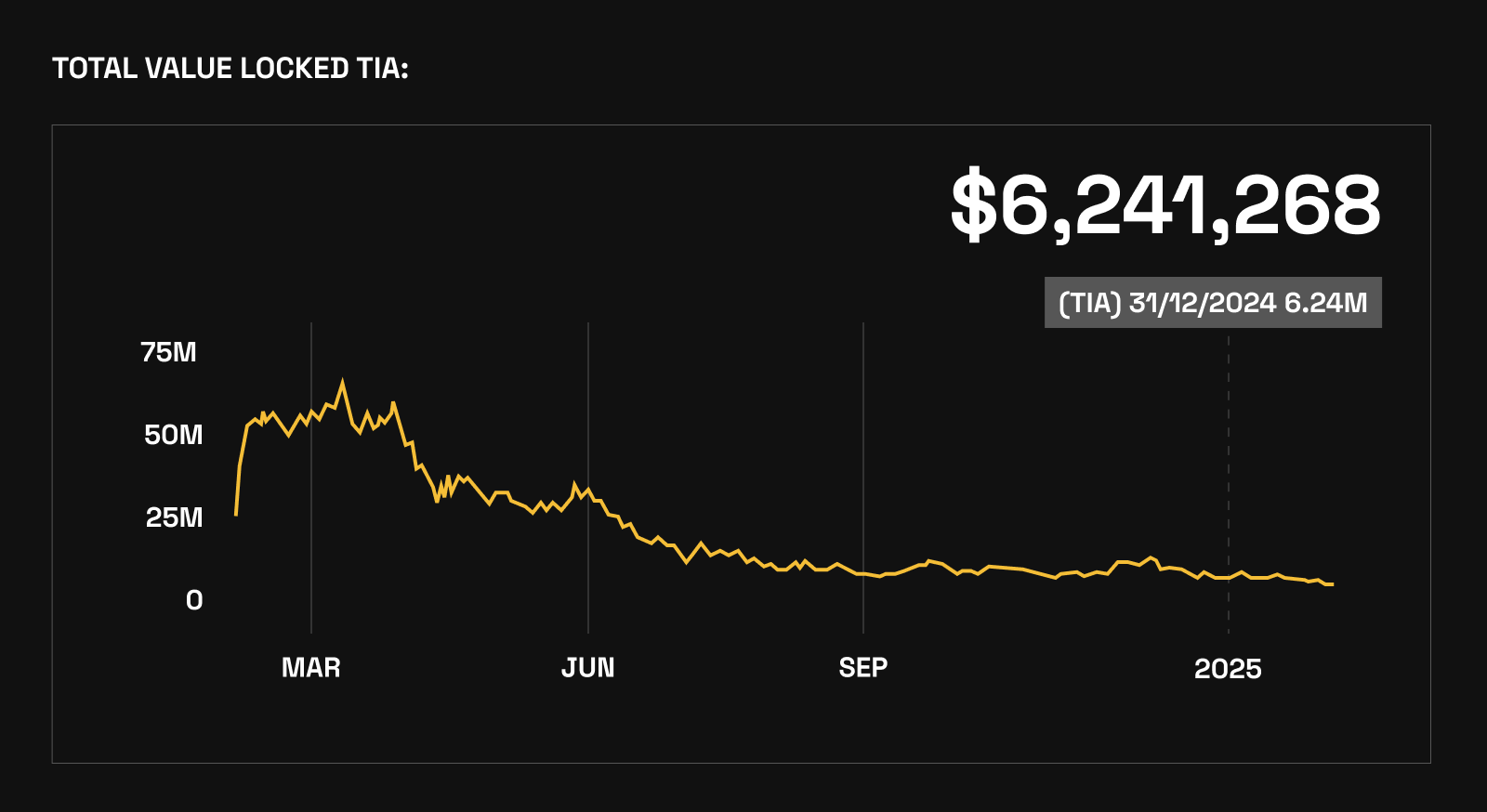
- Decentralized Security Model: Unlike Data Availability Committees (DACs), Blobstream leverages Celestia's proof-of-stake consensus and a network of light nodes. This ensures that data availability is maintained without relying on a small group of trusted parties, significantly reducing centralization risks.
- Cost Efficiency for L2s and Users: By decoupling data availability costs from Ethereum’s gas fees, Blobstream allows L2s to post data at a fraction of the cost of calldata. This translates to lower transaction fees for end users and greater economic sustainability for L2 operators.

- Easy Integration with Major L2 Ecosystems: Blobstream is already integrated with Arbitrum Orbit and adapted for StarkNet, enabling developers to deploy high-throughput, customizable blockchains with familiar tools and languages.
- Future-Proof and Upgradeable: Celestia’s blobspace capacity is upgradeable via on-chain governance, ensuring that Blobstream can scale alongside demand and technological advancements, keeping Ethereum L2s at the forefront of innovation.

High Throughput and Scalability: Celestia currently supports up to 8 MB per block in blobspace - enough for between 9,000 and 30,000 ERC-20 transfers per second depending on compression. This capacity is not static; it can be upgraded via on-chain governance as demand grows.
Decentralization and Security: Unlike DACs, Blobstream leverages Celestia’s proof-of-stake consensus where validators are accountable to a global network of light nodes. If two-thirds of validators try to withhold data, light nodes can detect this, triggering slashing penalties - all without introducing new trust assumptions.
Cost Efficiency: By decoupling from Ethereum gas fees and focusing resource pricing on throughput rather than computation, Blobstream makes DA dramatically more affordable for both developers and end-users.
Ecosystem Adoption: From Arbitrum Orbit to StarkNet
The momentum behind Blobstream isn’t theoretical; it’s already reshaping major L2 ecosystems. In October 2025, Celestia became the first modular DA network integrated into Arbitrum Orbit, empowering developers to deploy high-throughput chains as easily as smart contracts. StarkNet has also adapted Blobstream for its Cairo language environment - opening doors for performant Layer 3 networks built atop robust DA guarantees.
This wave of adoption signals more than just technical progress; it marks a shift in how Ethereum communities think about scaling: away from monolithic chains toward customizable stacks where each layer specializes in what it does best.
For developers, integrating Celestia Blobstream isn’t just a matter of flipping a switch. It requires thoughtful coordination between onchain smart contract logic and offchain client logic, ensuring that rollups can reliably post their data blobs to Celestia and verify data roots on Ethereum. The process is well-documented, with extensive resources available for those looking to build or migrate L2s using this modular approach. As more Layer 2s embrace Blobstream, expect an expanding toolkit and growing community support to further streamline these integrations.
Restaking and the Future of Blobspace Markets
The introduction of blobspace restaking is creating new yield opportunities and security models for both validators and delegators. By restaking assets to secure Celestia’s DA layer, participants can earn rewards while directly supporting the scalability of Ethereum’s L2 ecosystem. This dynamic is fostering a new class of DA-focused portfolios, where users balance risk and yield across modular blockchain infrastructure.
For investors and infrastructure providers, understanding the key differences between Celestia blobs and Ethereum blobs is essential for navigating these emerging markets. Blobspace pricing, throughput guarantees, and restaking yields all play a role in shaping the economics of DA provision and consumption.
What’s Next for Modular Blockchain Scaling?
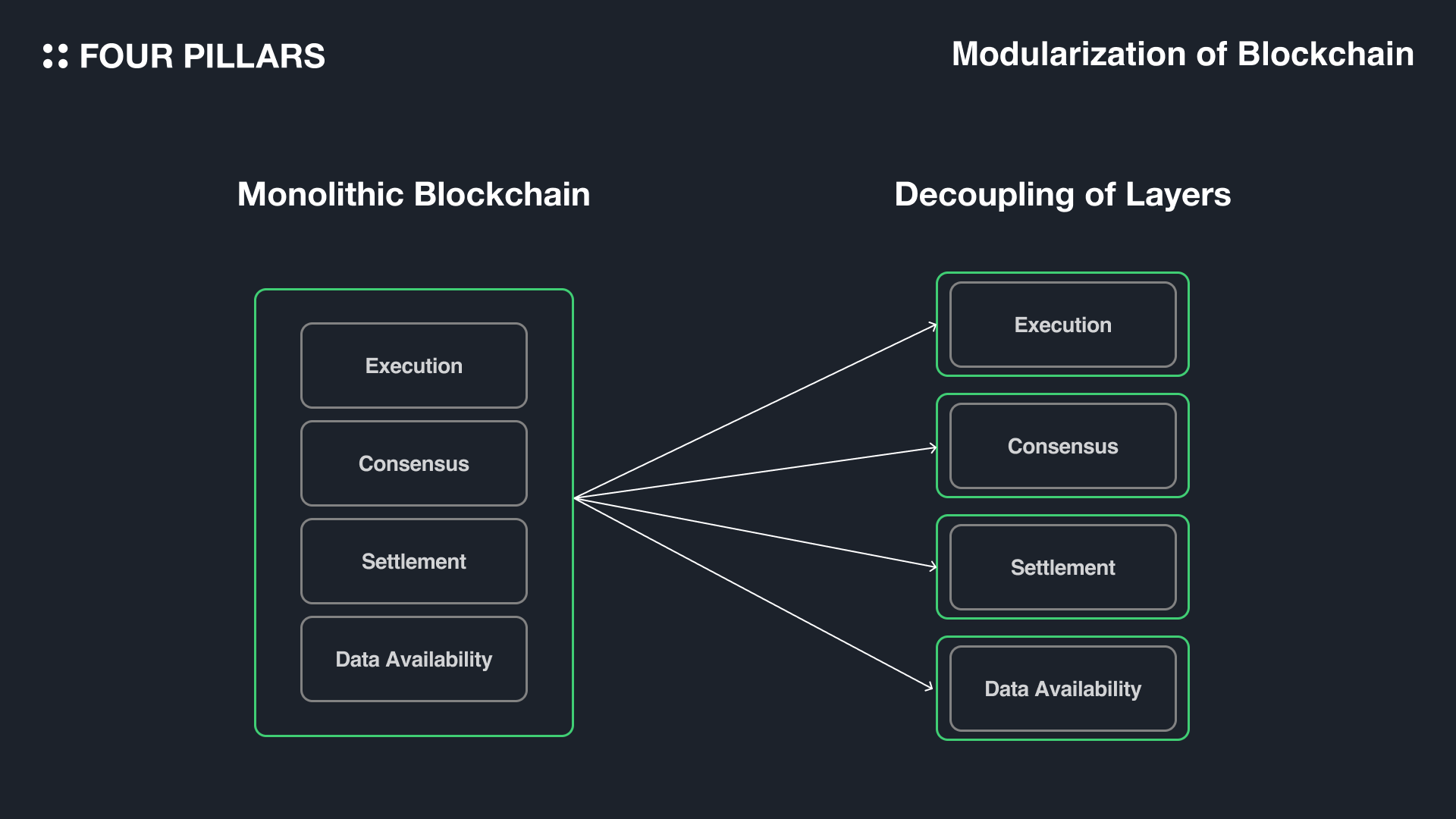
Celestia’s Blobstream is more than a technical upgrade; it’s a catalyst for a new paradigm in blockchain design. As Ethereum L2s continue to push boundaries, the modular stack, where execution, settlement, and data availability are decoupled, offers a path to true scalability without compromising decentralization or security.
Upcoming upgrades like SP1, written in Rust for maintainability and speed, promise even smoother integration for future rollups. Meanwhile, collaborations between Celestia and projects like EthStorage are extending the DA vision to long-term storage and hybrid architectures, further expanding the design space for developers.
Why Celestia Blobstream Matters Now
The L2 data availability bottleneck is not an abstract problem, it’s a daily reality for users facing high fees and developers constrained by legacy infrastructure. By leveraging Celestia Blobstream, Ethereum’s scaling roadmap gains a practical, market-tested tool to unlock higher throughput, lower costs, and more robust security guarantees. The modular future is here, and Blobstream is already powering the next generation of decentralized applications and chains.




No comments yet. Be the first to share your thoughts!