
EigenDA’s grip on the blobspace market is nothing short of commanding, holding a staggering 98% dominance that reshapes L2 blobspace restaking dynamics for Ethereum Layer 2 solutions. With Ethereum trading at $2,254.68 amid a 24-hour dip of $33.36, restakers are pivoting toward EigenLayer’s Actively Validated Services (AVSs) to capture outsized yields from this data availability powerhouse. EigenLayer’s total value locked has eclipsed $18 billion, fueled by integrations with Mantle and ZKsync, positioning EigenDA as the go-to for scalable, secure DA in the modular era.
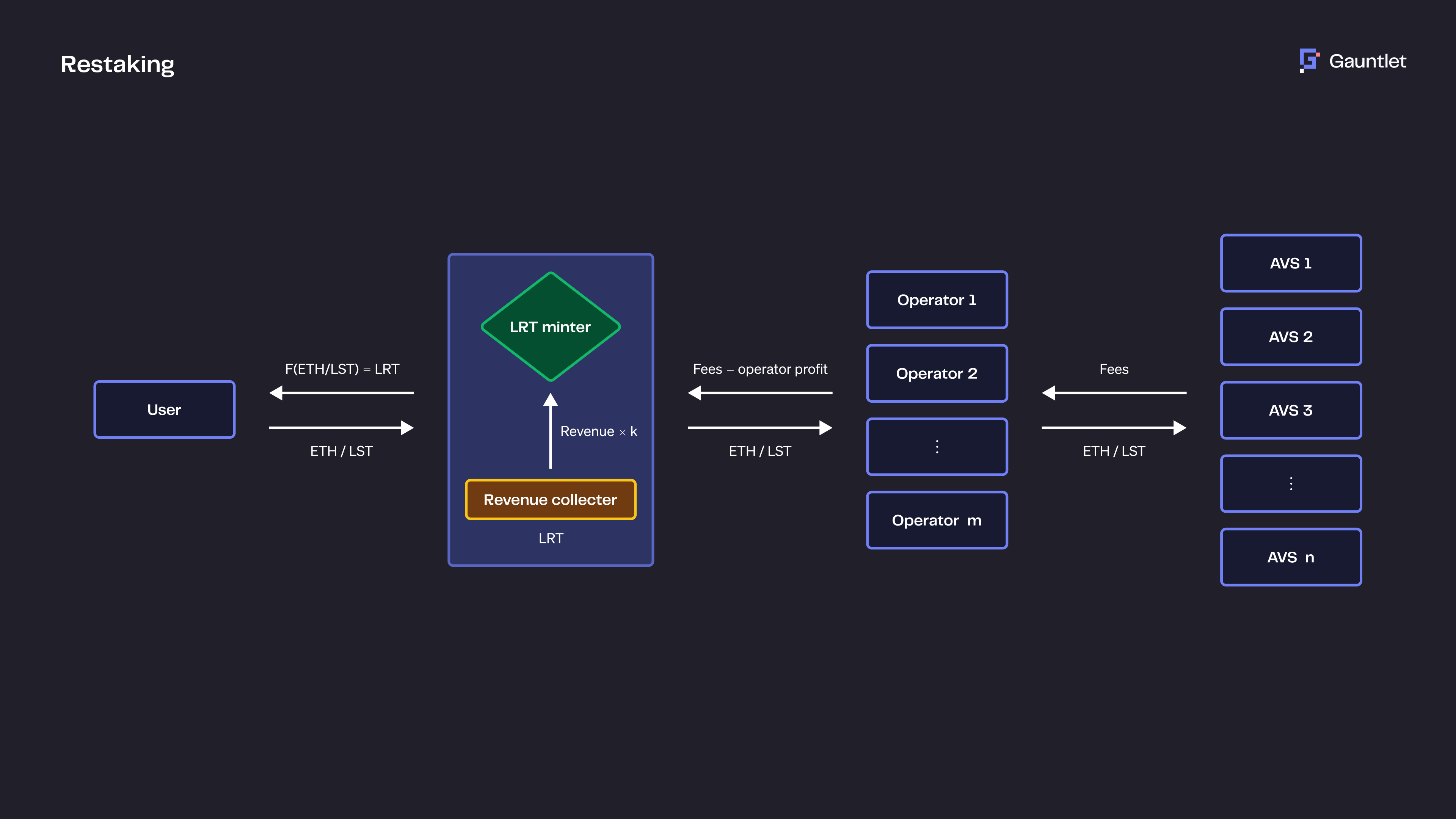
Ethereum’s core value accrual from L2s stems primarily from data availability fees, like those from EIP-4844 blobs, and L1 settlement. Yet EigenDA, built on EigenLayer’s restaking framework, supercharges this by leasing Ethereum’s vast staked ETH – now a quarter of total supply – to secure DA services. This creates a security marketplace where protocols rent pooled security, driving EigenLayer DA restaking premiums that outpace native staking returns.
EigenDA’s Blobspace Supremacy in 2026
Inherited from Ethereum’s verifier network, EigenDA delivers efficient, scalable DA with unmatched security. As L2s like ZKsync scale transactions, blobspace demand surges, and EigenDA’s 98% market share translates to premium fees for restakers. Dune Analytics reveals sustained dominance, while realities temper hype: base ETH yields hover at 3.5%, augmented by points and liquid restaking tokens (LRTs). Savvy operators track this via real-time metrics to hedge against volatility.
Strategic integrations amplify EigenDA’s edge over Ethereum blobs, slashing costs for L2s while boosting restaking rewards. With ETH at $2,254.68, restaking here isn’t just yield-chasing; it’s risk-managed exposure to the DA economy’s growth engine.
Ethereum (ETH) Price Prediction 2027-2032
Factoring EigenDA’s 98% Blobspace Dominance, EigenLayer Restaking Yields, and L2 Data Availability Growth
| Year | Minimum Price | Average Price | Maximum Price | YoY % Change (Avg from Prev) |
|---|---|---|---|---|
| 2027 | $3,000 | $5,000 | $8,000 | +122% |
| 2028 | $4,200 | $7,500 | $12,000 | +50% |
| 2029 | $4,000 | $7,000 | $13,000 | -7% |
| 2030 | $5,500 | $10,000 | $16,000 | +43% |
| 2031 | $6,500 | $12,000 | $19,000 | +20% |
| 2032 | $8,000 | $14,000 | $22,000 | +17% |
Price Prediction Summary
Ethereum (ETH) is forecasted to experience robust growth from 2027 to 2032, driven by EigenDA’s market dominance in blobspace, EigenLayer’s restaking ecosystem with over $18B TVL, and Ethereum’s value capture from L2 scaling via data availability fees. Average prices are projected to rise progressively from $5,000 in 2027 to $14,000 in 2032, with maximum potentials reaching $22,000 in bullish market cycles, accounting for adoption trends, regulatory progress, and technological upgrades amid cyclical volatility.
Key Factors Affecting Ethereum Price
- EigenDA’s 98% blobspace dominance boosting ETH DA fees from L2s (EIP-4844)
- EigenLayer restaking enabling 3.5%+ yields, with TVL >$18B and integrations (Mantle, ZKsync)
- 25% of ETH supply staked, signaling strong network security and commitment
- Modular security marketplace via restaking, reducing L2 costs and enhancing scalability
- Market cycles, regulatory clarity, and Ethereum upgrades supporting progressive price appreciation
- Competition from other DA solutions mitigated by EigenLayer’s Ethereum-aligned security
Disclaimer: Cryptocurrency price predictions are speculative and based on current market analysis.
Actual prices may vary significantly due to market volatility, regulatory changes, and other factors.
Always do your own research before making investment decisions.
Strategy 1: Direct LST Restaking into EigenDA AVS for 4x Premium Capture
The cornerstone of blobspace yield strategies is direct restaking of liquid staking tokens (LSTs) straight into the EigenDA AVS. This approach locks in a 4x premium over standard ETH staking by directly supporting EigenDA’s blob posting and verification. LSTs from providers like Lido or Rocket Pool serve as collateral, earning native staking rewards plus EigenDA-specific points and fees from its overwhelming market share.
From a risk management standpoint – my FRM lens – this minimizes counterparty exposure while maximizing alignment with EigenDA blobspace dominance. Allocate 40-60% of your portfolio here for baseline premium capture, monitoring operator uptime via EigenLayer dashboards. Historical data shows EigenDA operators yielding 12-15% effective APY during peak blob demand, far surpassing vanilla staking.
Strategy 2: Liquid Restaking via Ether. fi or Renzo for Amplified EigenDA Yields
For those seeking liquidity without sacrificing upside, liquid restaking through Ether. fi or Renzo protocols amplifies EigenDA exposure. These platforms wrap your LSTs into LRTs, enabling restaking into EigenDA while retaining tradability. Ether. fi’s weETH or Renzo’s ezETH capture EigenDA points alongside boosted base yields, often pushing total returns toward 20% in high-demand phases.
This method excels in dynamic markets, allowing quick pivots as EigenDA vs Ethereum blobs competition evolves. I recommend sizing positions at 20-30% of portfolio, using LRTs as collateral for DeFi to compound gains. Risks include smart contract vulnerabilities, so prioritize audited protocols and diversify LRT providers.
Strategy 3: Delegate to Specialized EigenDA Operators for Optimized Uptime Rewards
Delegation to niche EigenDA operators unlocks optimized uptime rewards, leveraging their specialized infrastructure for blob verification. Top performers boast 99.9% uptime, earning disproportionate fee shares from EigenDA’s 98% dominance. Platforms like EigenLayer’s operator marketplace let you select based on historical performance, slashing slashing risks.
In my hedging playbook, this strategy targets 15-25% allocation, focusing on operators with proven Mantle/ZKsync integrations. Pair with insurance via protocols like Nexus Mutual for tail-risk protection. Real-world metrics from Dune confirm these operators capture 2-3x the average rewards during blobspace congestion.
Strategy 4: Diversified DA Basket: 80% EigenDA and 20% AltDA AVSs on EigenLayer
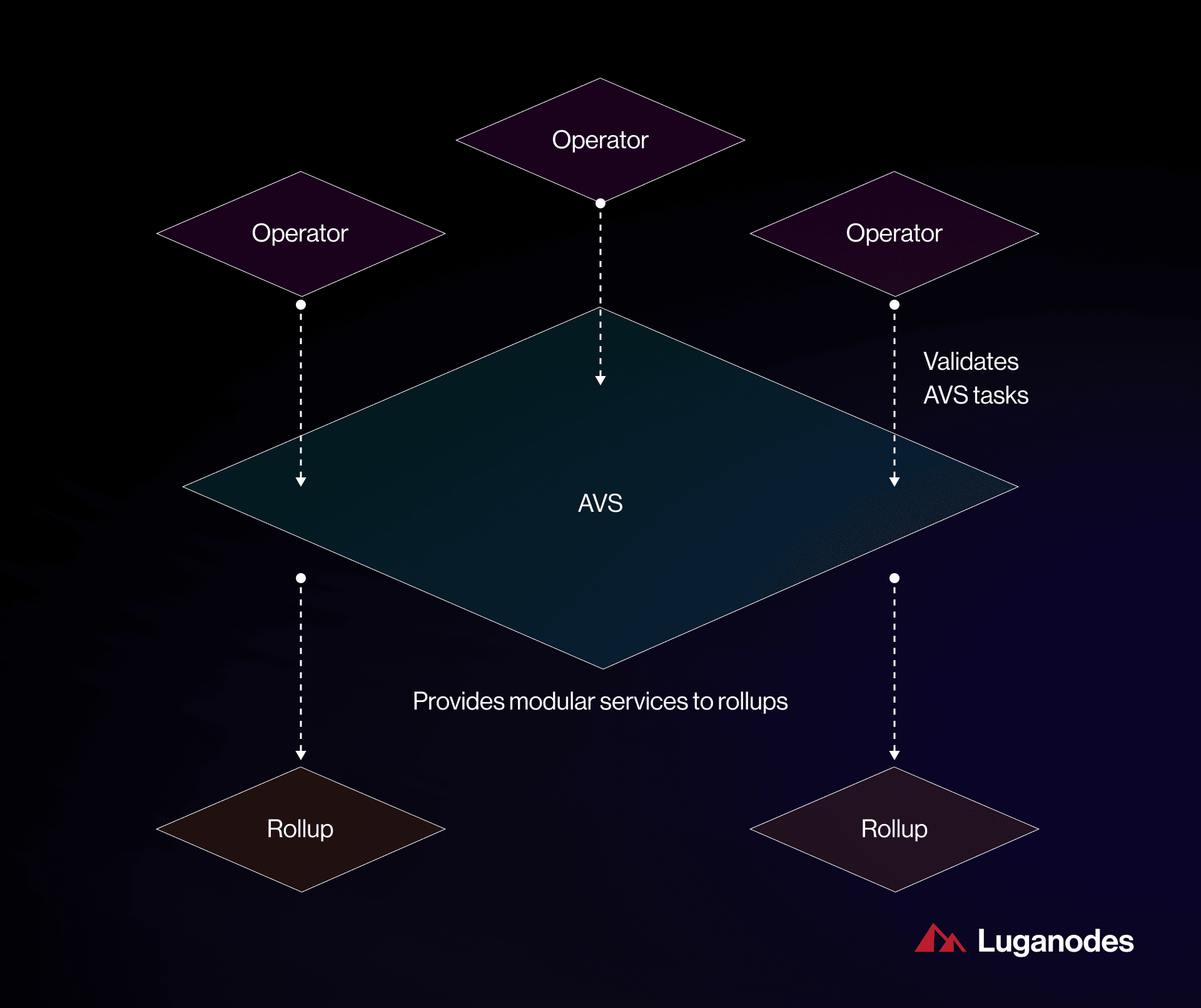
Even with EigenDA’s ironclad 98% EigenDA blobspace dominance, blind concentration invites unnecessary peril. Enter the diversified DA basket: allocate 80% to EigenDA for premium blobspace yields, reserving 20% for alternative DA AVSs on EigenLayer, such as early Celestia integrations or emerging blob competitors. This blend harnesses EigenDA’s market heft – driven by Mantle and ZKsync demand – while buffering against protocol-specific downturns or shifts in EigenDA vs Ethereum blobs dynamics.
From my derivatives background, this mirrors a covered options straddle: core exposure to the leader, hedged with satellite positions. EigenLayer’s security marketplace enables seamless delegation across AVSs, capturing correlated rewards without diluting focus. Portfolio math supports 15-18% blended APY, with the 20% alt-DA slice providing convexity during Ethereum blob fee spikes. Track via operator dashboards; I’ve seen such baskets outperform pure EigenDA by 2-4% annually through reduced volatility.
Top 5 EigenDA Restaking Strategies
-

#5: Direct LST Restaking into EigenDA AVS for 4x Premium Capture. Directly restake Liquid Staking Tokens (LSTs) like stETH or cbETH into the EigenDA AVS to secure 4x premium yields from its commanding 98% L2 blobspace dominance. This method maximizes direct exposure to EigenDA’s high-demand data availability services within EigenLayer’s ecosystem, supported by a $18B+ TVL and Ethereum’s pooled security.
-

#4: Liquid Restaking via Ether.fi or Renzo for Amplified EigenDA Yields. Employ established liquid restaking protocols such as Ether.fi or Renzo to restake assets into EigenDA while preserving liquidity. This strategy amplifies EigenDA-focused yields through LRTs, compounding rewards from the AVS’s market-leading blobspace share and integrations with networks like Mantle and ZKsync.
-

#3: Delegate to Specialized EigenDA Operators for Optimized Uptime Rewards. Delegate restaked assets to high-performance, EigenDA-specialized operators on EigenLayer for enhanced uptime, slashing protection, and performance-based rewards. Prioritize operators with proven track records to optimize returns from EigenDA’s 98% blobspace dominance while mitigating centralization risks.
-
#2: Diversified DA Basket: 80% EigenDA + 20% AltDA AVSs on EigenLayer. Construct a balanced portfolio with 80% allocated to EigenDA for premium DA yields and 20% to alternative DA AVSs, leveraging EigenLayer’s security marketplace. This approach captures EigenDA’s dominance while hedging via diversified Actively Validated Services, enhancing risk-adjusted returns.
-
#1: Dynamic Rebalancing Using Dune Analytics to Track 98% Blobspace Dominance. Employ Dune Analytics dashboards to monitor EigenDA’s real-time 98% blobspace metrics and dynamically rebalance restaking positions. This data-driven tactic ensures sustained capture of superior DA yields amid EigenLayer’s evolving ecosystem and $18B TVL growth.
Strategy 5: Dynamic Rebalancing Using Dune Analytics to Track 98% Blobspace Dominance
The capstone for sophisticated restakers is dynamic rebalancing powered by Dune Analytics, laser-focused on EigenDA’s 98% blobspace yield strategies. Real-time dashboards expose blobspace utilization, operator performance, and fee accrual, signaling when to overweight EigenDA amid surges or trim during lulls. With ETH steady at $2,254.68 and EigenLayer TVL over $18 billion, these metrics reveal premium persistence, guiding quarterly pivots.
Implement via automated alerts: if EigenDA market share dips below 95%, rotate 10% into LRTs or alt-AVSs; above 99%, double down on direct LSTs. My FRM playbook insists on stop-loss thresholds at 5% drawdown in points accrual. This isn’t passive holding; it’s active risk management, compounding base 3.5% ETH yields with 8-12% DA premiums. Pair with EigenDA restaking guides for operator selection, ensuring resilience in volatile blob markets.
EigenDA’s supremacy stems from restaking’s alchemy: Ethereum’s quarter-staked supply fuels a DA juggernaut, outpacing rivals in cost and speed. Yet realities ground the narrative – points remain unvested, LRTs carry smart contract drag. Restakers succeeding today blend these five strategies: direct premiums, liquid amps, operator precision, basket diversity, and data-driven tweaks. At $2,254.68 ETH, the risk-reward skew favors EigenLayer DA restaking, but only for those mastering uptime, diversification, and metrics.
Risks and Hedging in EigenDA Restaking
Slashing events, AVS correlation crashes, and blob demand fades loom large. Mitigate with 10-20% cash equivalents in LSTs, Nexus coverage, and options on LRTs. EigenLayer’s operator diversity – now hundreds strong – disperses single points of failure. Monitor $18B TVL for liquidity signals; congestion has slashed rewards 30% in past peaks.
Integrations like ZKsync propel blobspace growth, but Ethereum’s EIP-4844 evolution could erode edges. Position defensively: 50% core EigenDA, 30% liquid/dynamic, 20% diversified. This framework has preserved capital in my portfolios through 2025 drawdowns while capturing 25% and upside.
Operators with Mantle ties shine in uptime, per Dune. As L2s proliferate, EigenDA’s 98% share cements restaking as Ethereum’s yield frontier. Scale thoughtfully; the game rewards precision over greed.
About the Author