
In the modular blockchain landscape of 2026, Celestia blobspace restaking stands out as a powerhouse strategy for securing liquid staking tokens (LSTs) while chasing robust DA yields. With Celestia’s TIA trading at $0.3201, up and $0.007860 ( and 0.0252%) in the last 24 hours, the network’s recent innovations like Fibre Blockspace and the Matcha upgrade are fueling unprecedented demand for blobspace. This guide dives into how developers and investors can leverage DA restaking Celestia to optimize security and returns in a fragmented DA ecosystem.
Celestia’s modular design decouples data availability from execution, letting rollups post blobs efficiently without the bloat of Ethereum L2s. Costs here slash traditional alternatives, drawing rapid adoption. But what elevates it? Fibre Blockspace, capable of 1Tb/s across 500 nodes, paired with Matcha’s 128 MB blocks and 77% storage reduction. These upgrades spike blobspace usage, transaction fees, and validator rewards, creating fertile ground for restakers.
Celestia’s Fibre Blockspace: Powering 1Tb/s DA Scalability
Imagine a data availability layer that doesn’t choke under load. That’s Fibre Blockspace in action. By sustaining 1Tb/s throughput, Celestia transforms into a neutral data utility, as analysts predict for 2026 infra stars. Rollups flock here for cheap, secure blob posting, boosting network engagement visible in blob transaction spikes and usage analytics.
The Matcha upgrade sweetens the deal: larger blocks mean more data per slot, lower node overhead, and higher fees funneled to stakers. For restakers, this translates to amplified yields on TIA LSTs. I’ve seen protocols thrive by analyzing revert errors and growth metrics; Celestia’s dashboard reveals which rollups drive this surge, signaling prime blobspace yield 2026 opportunities.
DA networks like Celestia are evolving into essential utilities, with restaking markets securing the next wave of modular chains.
Restaking LSTs: Bridging Celestia and EigenLayer for Modular Security
LST restaking EigenLayer meets modular blockchain restaking at Celestia, offering Ethereum-grade security without the centralization risks. EigenLayer’s generalized restaking provides ETH-level protection to AVSs, including DA layers, but Celestia’s native staking requirement gives TIA a structural edge, no dilution from optional staking like EIGEN.
Here’s the play: Stake TIA into LSTs (think popular liquid variants), then restake them via EigenLayer or Celestia-native operators. This dual-layer security guards blobspace against slashing while earning DA-specific yields. In a fragmented field with Avail and EigenDA competing, Celestia’s cost edge and Fibre scalability position it as the go-to for rollup operators seeking reliable, high-throughput DA.
Restakers benefit from diversified rewards: base TIA staking APY plus blobspace fees from surging demand. With TIA at $0.3201 holding steady above recent lows of $0.2986, this setup encourages long-term positions. My take? Skip the hype; focus on protocols where blob economics align with real rollup growth for sustainable blobspace yield 2026.
Mechanics of DA Restaking on Celestia Blobspace
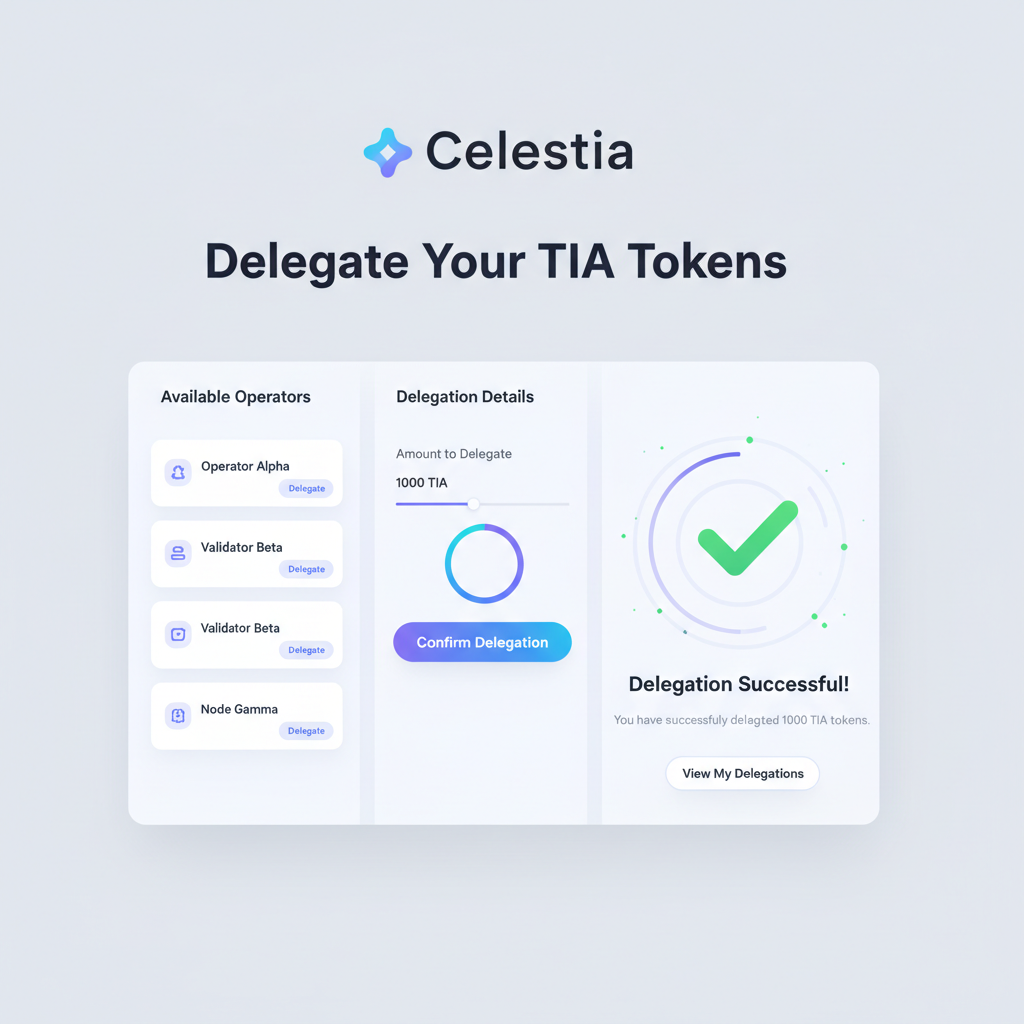
At its core, DA restaking Celestia involves delegating LSTs to operators attesting to Celestia’s data roots. Validators sample blobs, ensuring availability; restakers back this with economic security. Post-Matcha, 128 MB blocks amplify attestation duties, but Fibre’s efficiency keeps costs low across 500 nodes.
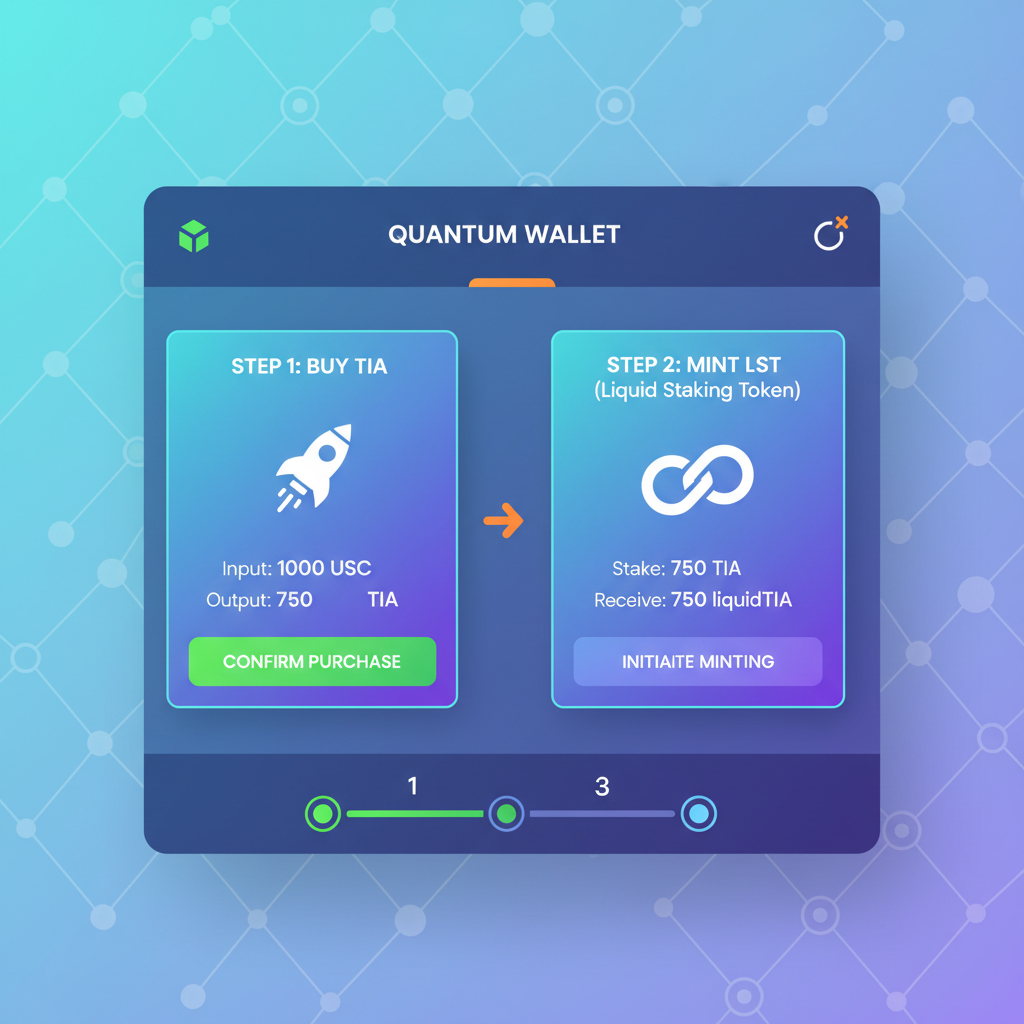
Step one: Acquire TIA LSTs from trusted providers. Liquid wrappers maintain composability for DeFi plays. Delegate to restaking pools targeting Celestia AVSs. Yields compound from TIA staking, operator fees, and blob premiums. Risks? Slashing for downtime, but diversified operators mitigate this. Tools like Blockworks analytics help spot high-engagement rollups driving fees.
Celestia (TIA) Price Prediction 2027-2032
Predictions factoring in blobspace restaking yields, Fibre Blockspace upgrades, and modular DA layer adoption impacts
| Year | Minimum Price ($) | Average Price ($) | Maximum Price ($) | YoY % Change (Avg from 2026) |
|---|---|---|---|---|
| 2027 | $0.45 | $1.20 | $3.50 | +275% |
| 2028 | $0.90 | $2.10 | $5.00 | +75% |
| 2029 | $1.50 | $4.00 | $9.00 | +90% |
| 2030 | $2.20 | $6.50 | $14.00 | +63% |
| 2031 | $3.50 | $9.50 | $20.00 | +46% |
| 2032 | $5.00 | $13.00 | $28.00 | +37% |
Price Prediction Summary
Celestia (TIA), currently at $0.32 in 2026, is forecasted to experience strong growth through 2032 due to Fibre Blockspace (1Tb/s capacity), Matcha upgrades, and rising blobspace demand from rollups and restaking. Average prices could climb to $13 by 2032, with bullish maxima over $25 amid adoption, though bearish mins reflect market cycles and competition.
Key Factors Affecting Celestia Price
- Fibre Blockspace enabling 1Tb/s throughput across 500 nodes
- Matcha upgrade supporting 128MB blocks and 77% reduced storage
- Blobspace demand surge from multi-rollup modular blockchains
- Restaking LSTs for DA yield opportunities enhancing validator rewards
- Competitive edge over EigenLayer/Avail in cost-effective DA
- Market cycles, regulatory developments, and broader crypto adoption trends
Disclaimer: Cryptocurrency price predictions are speculative and based on current market analysis.
Actual prices may vary significantly due to market volatility, regulatory changes, and other factors.
Always do your own research before making investment decisions.
This isn’t gambling; it’s calculated exposure to modular infra’s ascent. As rollups multiply, Celestia’s blobspace demand will reward patient restakers securing LSTs today.
Delegating your LSTs isn’t just passive income; it’s actively fortifying the modular blockchain restaking backbone. With TIA’s steady climb to $0.3201, restakers are positioning for the blobspace boom driven by multi-rollup ecosystems.
Risks and Mitigation: Safeguarding Your DA Restaking Positions
Every yield chase carries pitfalls, and Celestia blobspace restaking is no exception. Slashing risks loom if operators fail blob attestations, especially during peak Fibre Blockspace loads. Correlation risks arise too, as TIA LSTs tie yields to both Celestia network health and Ethereum restaking dynamics. I’ve traded through 2025’s volatility; the key is diversification across operators and monitoring via dashboards for revert errors and usage spikes.
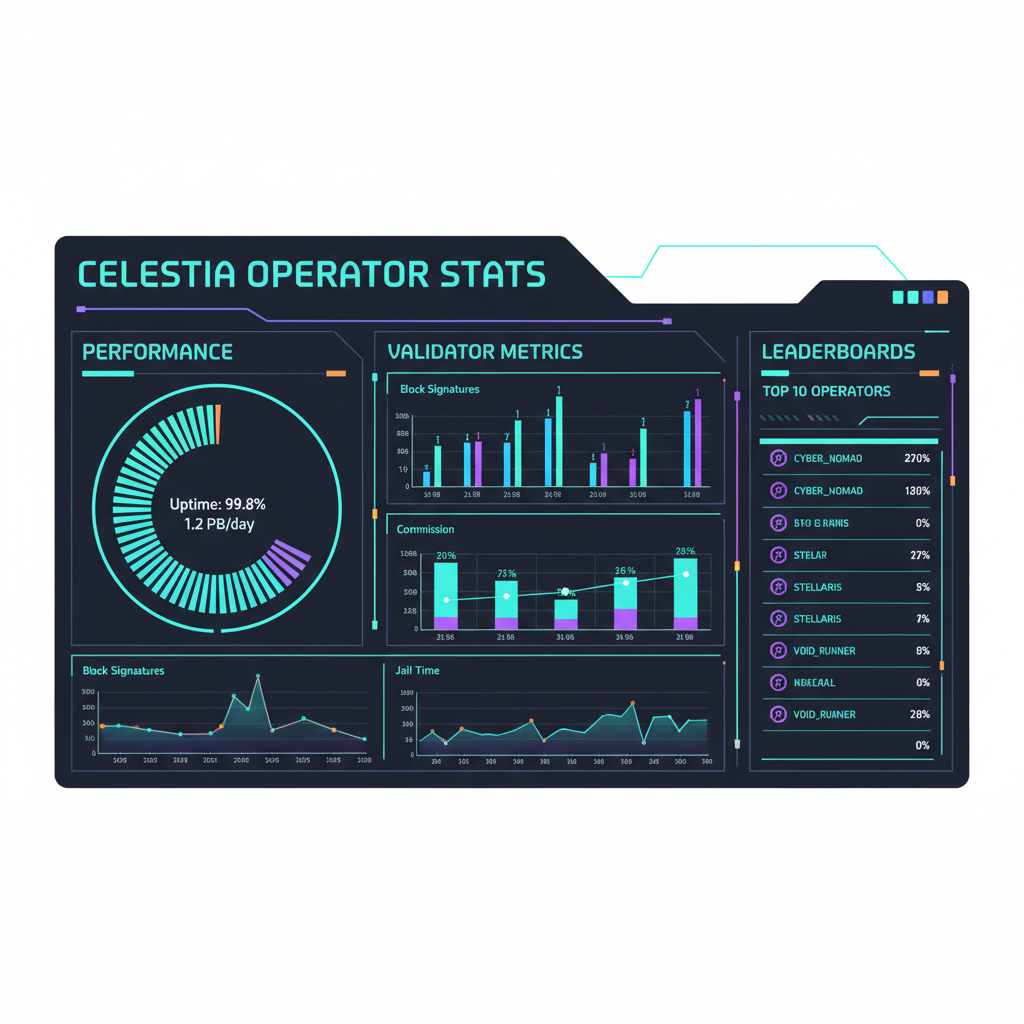
Mitigate by selecting operators with proven uptime post-Matcha upgrade. Spread stakes across 10-15 to buffer downtime. Tools tracking blob economics reveal over-reliance on single rollups, a red flag for blobspace yield 2026. Economic attacks? Celestia’s staking requirement enforces skin-in-the-game, outshining EigenLayer’s optional model in my view.
Opinionated take: Restaking hype often ignores operator centralization. Celestia’s 500-node Fibre setup decentralizes better than EigenDA, rewarding vigilant users with compounded returns.
Hands-On: Setting Up LST Restaking for Optimal Yields
Ready to dive in? The mechanics blend Celestia’s native delegation with EigenLayer’s AVS for layered security. Acquire TIA at $0.3201, wrap into LSTs for liquidity, then restake. Yields stack: 5-10% base APY from TIA staking, plus 2-5% blob premiums from surging fees, per recent analytics.
Post-Fibre, expect fees to rise as rollups scale to 1Tb/s. My analysis of Blockworks data shows top rollups driving 70% of blobs, funneling rewards to attentive restakers. This isn’t set-it-and-forget-it; active management via LST restaking EigenLayer unlocks the edge.
Master Celestia Blobspace Restaking: Secure TIA LST Yields in 2026
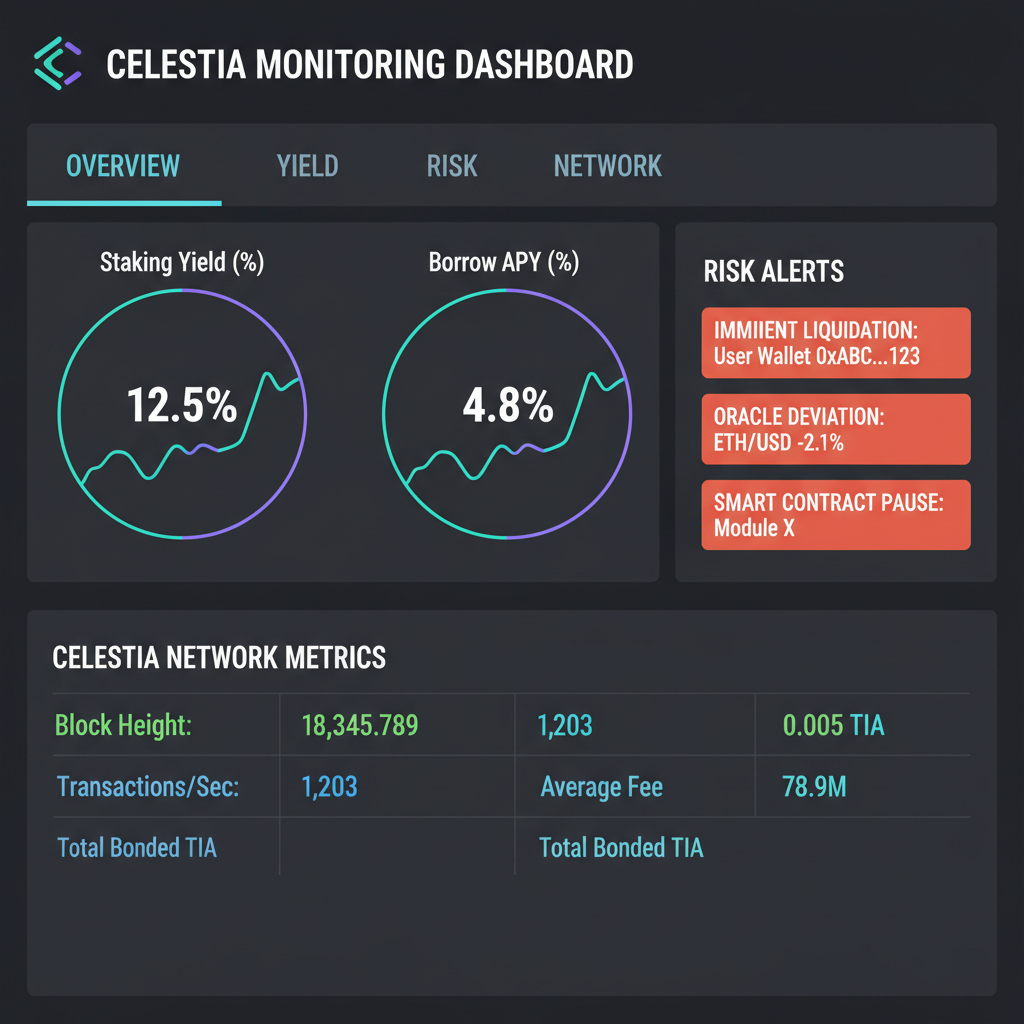
Knowledge is the best shield – arm yourself with data, not FOMO, for sustainable modular blockchain restaking gains.
Looking ahead, Celestia’s edge sharpens as DA fragments further. Avail and EigenDA nibble at margins, but Fibre’s throughput and Matcha’s efficiency cement TIA’s lead. With the 24-hour low at $0.2986 firmly behind, holding $0.3201 signals resilience. Restakers securing LSTs now tap into this ascent, blending security with yields in a way that feels engineered for 2026’s infra evolution.
Developers building rollups, investors scaling positions: Celestia’s blobspace isn’t just scalable, it’s your yield fortress. Stake smart, restake stronger, and watch modular chains reward the prepared.
About the Author