

In the ever-evolving world of modular blockchains, three names keep cropping up in every serious discussion about rollup scalability: Espresso, EigenDA, and Celestia. Each is carving out a specialized niche in the modular stack, but it’s their collaboration that’s rewriting the playbook for scaling decentralized applications (dApps) and rollups as we head into 2025.
The Modular Blockchain Stack: Breaking Down the Silos
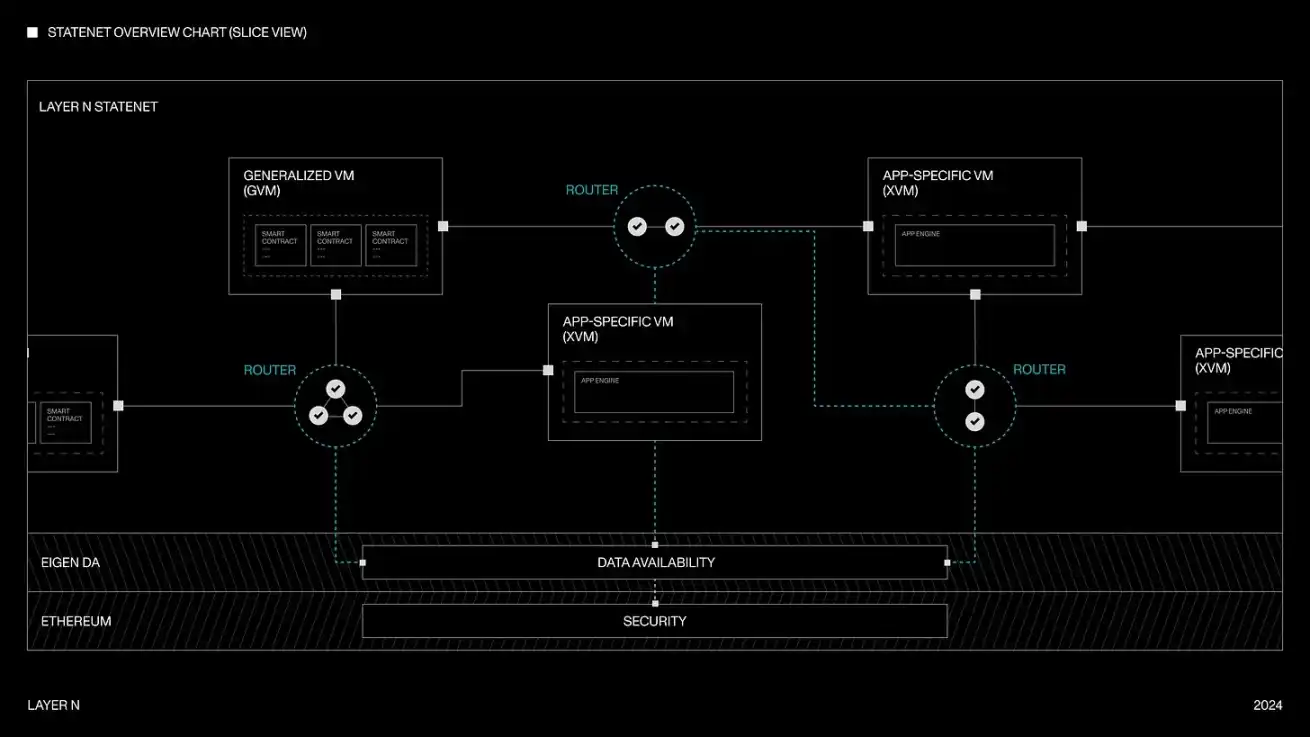
Let’s set the stage. Traditional blockchains like Ethereum try to do everything, execution, consensus, settlement, and data availability (DA): on a single chain. That’s great for simplicity, but it hits a wall when you want to scale. Enter modular blockchains: instead of one chain doing all the heavy lifting, each layer specializes. Execution layers focus on running smart contracts; DA layers ensure transaction data is available and verifiable; sequencers order transactions; settlement layers resolve disputes.
This separation unlocks enormous flexibility. Rollups can now pick and choose their preferred DA layer or sequencer depending on their unique needs, think lower fees, higher throughput, or better interoperability. The result? A blossoming ecosystem where best-in-class components combine forces rather than compete head-to-head.
Espresso: Decentralized Sequencing for Interoperable Rollups
Espresso has emerged as the go-to shared sequencer network for rollups looking to avoid the pitfalls of centralized sequencing. Why does this matter? In a world where dozens (soon hundreds) of rollups operate in parallel, coordinating transaction ordering across chains is critical for atomic swaps and cross-rollup composability.
The Espresso Network provides fast and reliable ordering, think of it as a neutral traffic controller that ensures no single rollup can front-run or censor transactions. This shared sequencing not only boosts security but also enables new economic guarantees like pre-confirmations for cross-rollup transactions. Even better: Espresso is designed to stay lightweight by letting chains select their own DA solution, Celestia, EigenDA, Avail, or even Ethereum itself.
EigenDA and Celestia: Specialized Data Availability for Every Use Case
If Espresso is all about ordering transactions efficiently, EigenDA and Celestia are about making sure those transactions are actually available for verification by anyone who needs them, without breaking the bank or sacrificing security.
EigenDA: Built atop EigenLayer’s restaking protocol, EigenDA lets Ethereum stakers secure not just Ethereum itself but also external services like DA layers. This means rollups leveraging EigenDA inherit Ethereum-grade security while getting scalable data throughput, ideal for projects that want deep alignment with ETH economics without bottlenecking on mainnet gas fees.
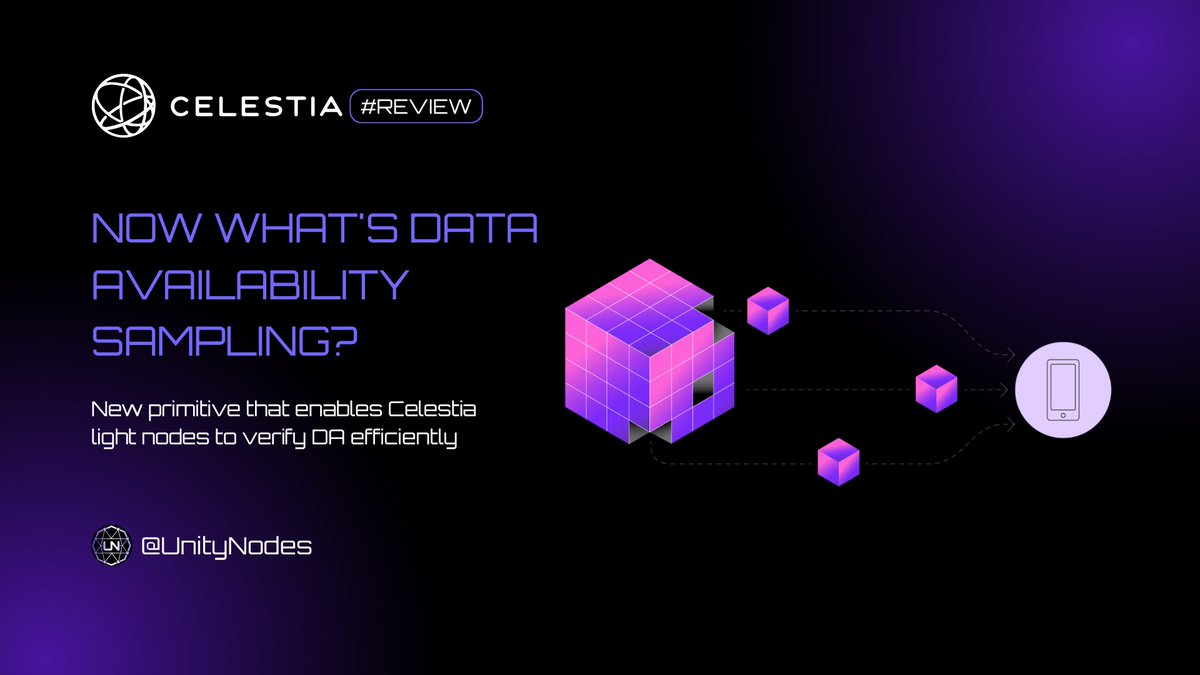
Celestia: As one of the first purpose-built DA layers on the scene, Celestia introduced clever innovations like Data Availability Sampling (DAS). Instead of requiring every node to download every byte of every block (hello bandwidth crisis), DAS lets nodes probabilistically verify data availability with just a few random samples. This keeps costs low and makes it feasible for even lightweight rollups to trustlessly publish massive amounts of data off-chain.
This specialization means that rollups are no longer forced into one-size-fits-all solutions, they can choose between EigenDA’s Ethereum-aligned security model or Celestia’s ultra-efficient sampling depending on their needs.
If you want to dig deeper into how these DA solutions cut fees while maintaining reliability, check out this handy guide: How Modular Data Availability Layers Are Cutting Rollup Fees: Celestia, Avail and EigenDA Explained.
The Power of Choice: Mix-and-Match Modular Stacks
The real magic happens when these systems work together rather than in isolation. Imagine launching your own app-specific rollup in 2025: you might use Espresso as your sequencer for lightning-fast atomic swaps across ecosystems; post your transaction data to Celestia for low-cost availability; or opt into EigenDA if you want extra peace-of-mind from Ethereum's validator set via restaking.
This flexibility doesn’t just improve performance, it reduces risk by avoiding overcommitment to any single provider or technology stack. As more developers experiment with custom stacks tailored to their dApp’s needs, expect an explosion in innovation across DeFi protocols, gaming platforms, social apps, you name it.
We’re now seeing a new era where rollups are not just scaling Ethereum but becoming sovereign platforms in their own right, thanks to the interplay between Espresso, EigenDA, and Celestia. By decoupling sequencing from data availability, developers can fine-tune their stack for reliability, cost, or security, whatever fits the app’s mission best.
Let’s break down some of the tangible benefits this modularity unlocks:
Key Benefits of Modular Blockchain Stacks with Espresso, EigenDA & Celestia
- Enhanced Scalability: By splitting responsibilities—Espresso for sequencing, EigenDA and Celestia for data availability—modular stacks let rollups process more transactions without bottlenecks, paving the way for mass adoption.
- Decentralized Sequencing: Espresso provides a shared sequencer network, reducing reliance on centralized actors. This boosts fairness, speeds up transaction ordering, and improves cross-rollup interoperability.
- Robust Data Availability: EigenDA and Celestia specialize in making transaction data reliably available. EigenDA leverages Ethereum's security via restaking, while Celestia uses Data Availability Sampling (DAS) for efficient verification.
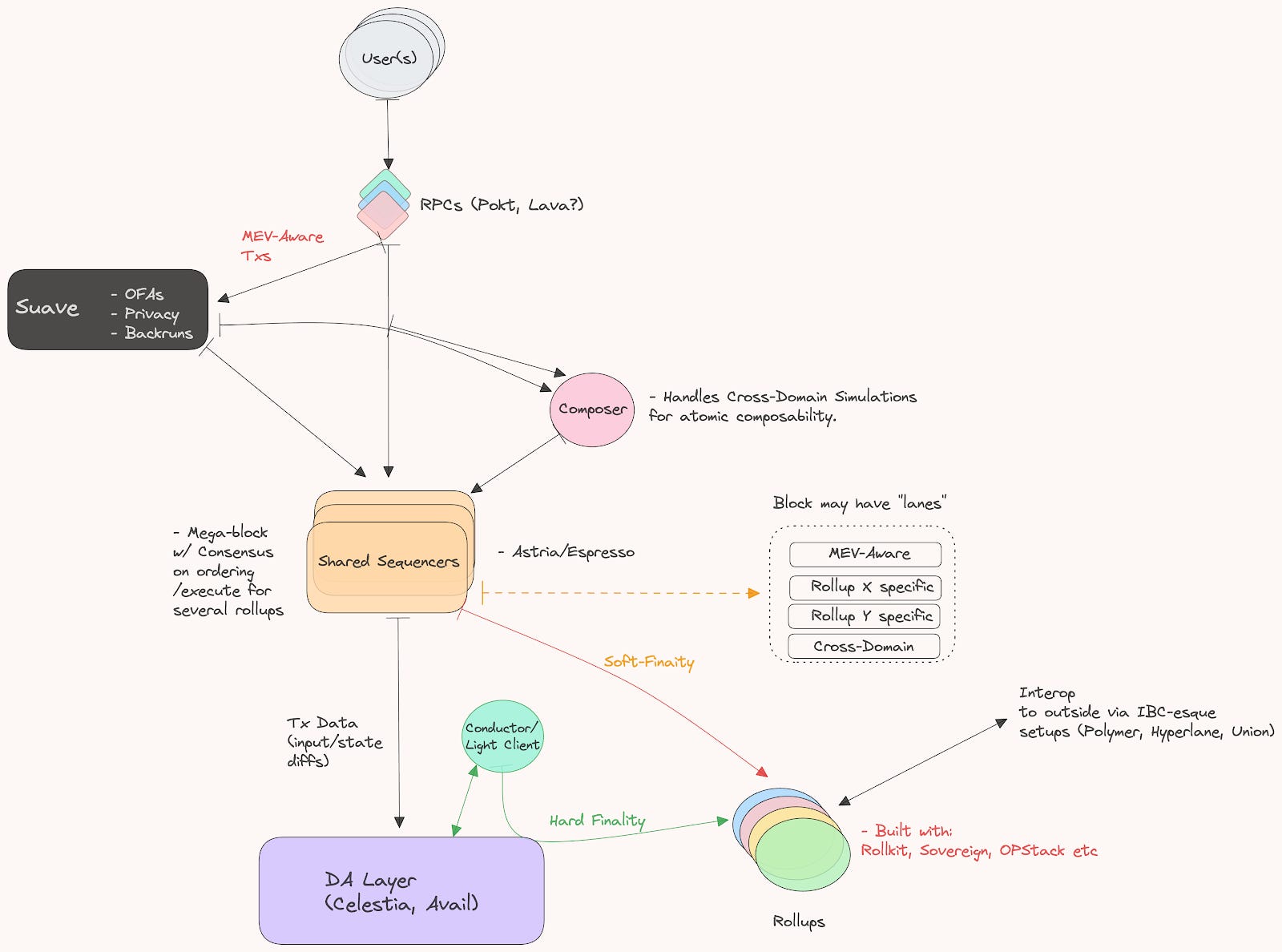
- Flexible and Interoperable Design: Modular stacks let rollups mix and match the best execution, sequencing, and DA layers. This flexibility means rollups can optimize for their specific needs and upgrade components over time.
- Lower Operational Costs: Offloading data storage and verification to specialized DA layers like Celestia reduces the burden on rollups, making them more cost-efficient to run and maintain.
- Stronger Security Through Restaking: EigenDA allows Ethereum stakers to restake their assets, extending Ethereum-grade security to new DA services without fragmenting trust.

Composable Security and amp; Interoperability: A 2025 Reality
One of the most exciting outcomes? Composable security. Instead of every rollup and dApp reinventing the wheel or relying solely on Ethereum L1 for security and DA, they can tap into EigenDA’s restaked validator set or Celestia’s sampling-powered network. This means faster time-to-market and less technical debt for new projects.
Meanwhile, Espresso’s shared sequencer model is quickly becoming a linchpin for cross-rollup atomicity. DeFi protocols can now offer seamless swaps between assets on different rollups without worrying about MEV attacks or inconsistent ordering. In short: rollups are starting to feel like one big interoperable playground rather than isolated silos.
What This Means for Developers and amp; Investors
If you’re building in 2025, or allocating capital, this collaborative landscape opens up new possibilities. For developers, it means you can launch dApps with lower operational costs by picking the optimal DA layer (Celestia or EigenDA) and leveraging shared sequencing (Espresso) to maximize UX and composability. You’re no longer locked into a single monolithic chain or forced to accept trade-offs that don’t fit your use case.
For investors and validators, restaking via EigenLayer means your capital works harder by securing multiple networks simultaneously. The proliferation of restaking protocols is already driving innovation in yield strategies and validator incentives across the modular ecosystem.
How to Get Started With Modular Rollup Stacks
- Developers: Explore step-by-step guides to deploying custom rollups using Celestia’s DA layer here.
- Builders: Compare how modular stacks like Celestia and Eclipse enable app-specific blockchains in this resource: How Modular Rollup Architectures Enable App-Specific Blockchains.
Looking Ahead: The Modular Blockchain Flywheel
The synergy between Espresso’s decentralized sequencing, EigenDA’s Ethereum-aligned data availability via restaking, and Celestia’s efficient DAS-driven publishing is setting a powerful flywheel in motion. As more teams adopt these best-in-class components, and as standards for interoperability mature, we’ll see even more robust rollups supporting everything from high-frequency trading to massive multiplayer games.
The bottom line? The days of “one chain to rule them all” are over. In 2025 and beyond, expect modularity, and collaboration, to be at the heart of every scalable blockchain project worth watching.




No comments yet. Be the first to share your thoughts!